

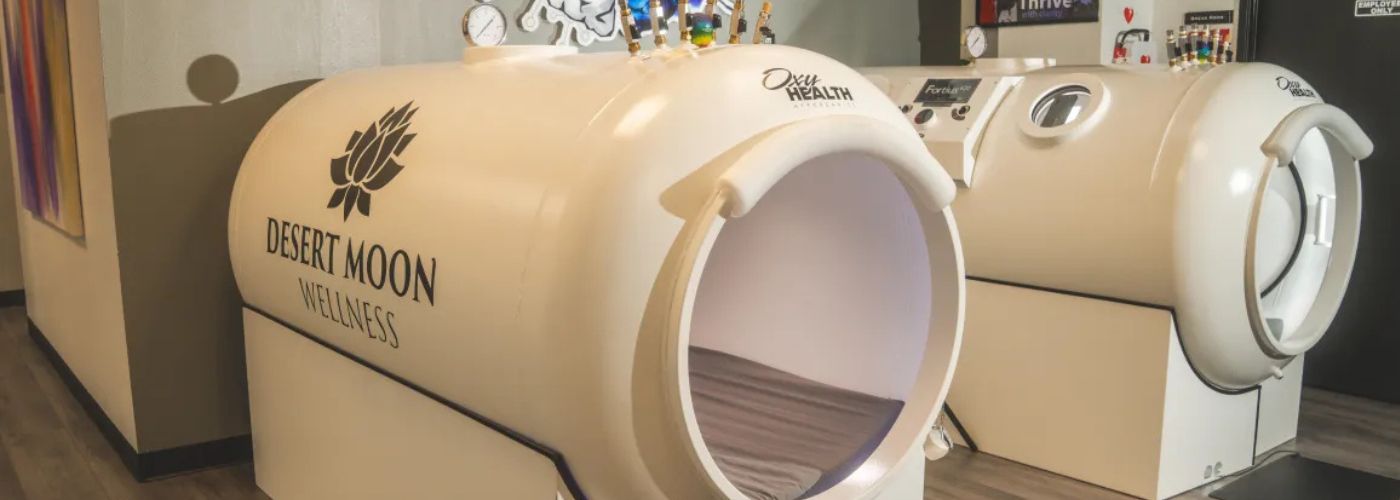
HBOT helps with recovery by offering added support to the body during times when healing is needed most. As people look for effective ways to feel better and recover more comfortably, hyperbaric oxygen therapy has gained attention for its role in overall wellness.
This therapy is often used as part of a broader recovery approach, and in this article, we’ll explore how it supports the body’s natural repair processes and overall healing.
Ways HBOT Helps With Recovery
Recovery can slow down when the body does not receive enough oxygen at the cellular level. Oxygen is essential for repairing tissue, producing energy, and supporting immune function.
HBOT creates an environment where oxygen delivery is significantly increased, giving the body the tools it needs to heal more efficiently.
By addressing recovery at a cellular level, hyperbaric oxygen therapy supports the body in ways that traditional rest alone cannot. Each benefit of HBOT works together to improve circulation, reduce stress on damaged tissues, and help the body restore balance.
This therapy is often used alongside medical treatment plans, physical therapy, or rehabilitation programs. Its role is to support and enhance recovery rather than replace standard care.
Enhances Oxygen Delivery to Hard-to-Heal Areas
Many injuries and damaged tissues suffer from reduced blood flow, which limits the amount of oxygen they receive. Swelling, inflammation, or damaged blood vessels can prevent oxygen from reaching the areas that need it most.
HBOT increases the amount of oxygen dissolved in the blood plasma, allowing it to reach these hard-to-heal regions.

This enhanced oxygen delivery is a key reason HBOT helps with recovery in wounds, injuries, and post-surgical healing. With more oxygen available, cells are able to repair damage more efficiently and resist infection.
Improved oxygen delivery also supports the function of white blood cells, which play a role in fighting infection. This creates a healthier healing environment and reduces complications that can delay recovery.
Over time, consistent oxygen support can improve tissue strength and overall function in affected areas.
Increases Stem Cell Activity for Tissue Regeneration
Stem cells are essential for repairing and replacing damaged tissue. They help regenerate muscle, skin, nerves, and other structures throughout the body.
Research has shown that HBOT can increase the release of stem cells from bone marrow into the bloodstream.
By stimulating stem cell activity, HBOT helps with recovery by supporting deep tissue repair and regeneration. These stem cells travel to injured areas and assist in rebuilding damaged structures.
This benefit is particularly valuable for people recovering from long-term injuries or chronic conditions where natural regeneration may be slower. Increased stem cell availability allows the body to repair itself more thoroughly.
Supporting regeneration at this level helps improve long-term recovery outcomes and promotes stronger tissue repair.
Reduces Inflammation at the Cellular Level
Inflammation is a natural part of healing, but when it becomes excessive or prolonged, it can interfere with recovery. Chronic inflammation may cause pain, stiffness, and delayed tissue repair.
HBOT helps regulate inflammation by improving oxygen supply and supporting healthier cellular activity.

Reducing inflammation is another important way HBOT helps with recovery by creating better conditions for healing. When inflammation decreases, swelling is reduced, and tissues are better able to repair themselves.
Lower inflammation can also improve mobility and comfort during recovery. This makes it easier for individuals to participate in physical therapy or daily activities that support healing.
By addressing inflammation at the cellular level, HBOT supports a more balanced and efficient recovery process.
Encourages New Tissue Growth
New tissue growth is essential for healing injuries, surgical wounds, and damaged organs. HBOT supports a process known as angiogenesis, which is the formation of new blood vessels.
These vessels improve circulation and deliver oxygen and nutrients to healing tissue.
Healthy oxygen levels allow the body to rebuild tissue more effectively and strengthen damaged areas. Improved circulation ensures that new tissue receives the support it needs to grow properly.
This process is especially important for recovery after surgery or trauma, where tissue damage may be extensive. Stronger blood flow supports faster healing and reduces the risk of complications.
As new tissue forms and strengthens, overall recovery becomes more stable and long-lasting.
Reduces Oxidative Stress During Recovery
Oxidative stress occurs when the body produces more free radicals than it can neutralize. During injury or illness, oxidative stress can increase and slow down healing.
HBOT helps regulate this imbalance by supporting the body’s natural antioxidant systems.
Managing oxidative stress is another way HBOT helps with recovery by protecting healthy cells during the healing process. Reduced cellular stress allows the body to focus on repair instead of fighting additional damage.
This benefit supports smoother recovery and helps prevent setbacks caused by ongoing cellular strain. Balanced oxidative activity promotes healthier tissue repair and improved energy levels.
By reducing oxidative stress, HBOT contributes to more efficient healing and better overall recovery outcomes.