
Many people turn to light-based treatments to improve the appearance and health of their skin without using harsh procedures. From acne breakouts to signs of aging, these treatments are often used as part of a skincare routine to support healthier-looking skin.
This article goes over how different forms of light therapy work, what benefits they may provide, and what to expect during treatment.
How Does Light Therapy Help Skin Health?
The question many people ask is whether light therapy can support skin improvement when used correctly over time and paired with a proper skincare routine.
Light-based treatments use specific wavelengths that reach different layers of the skin to address concerns such as acne, redness, fine lines, and uneven texture. Depending on the type of light being used, the treatment may calm irritation, stimulate collagen production, or reduce bacteria linked to breakouts.
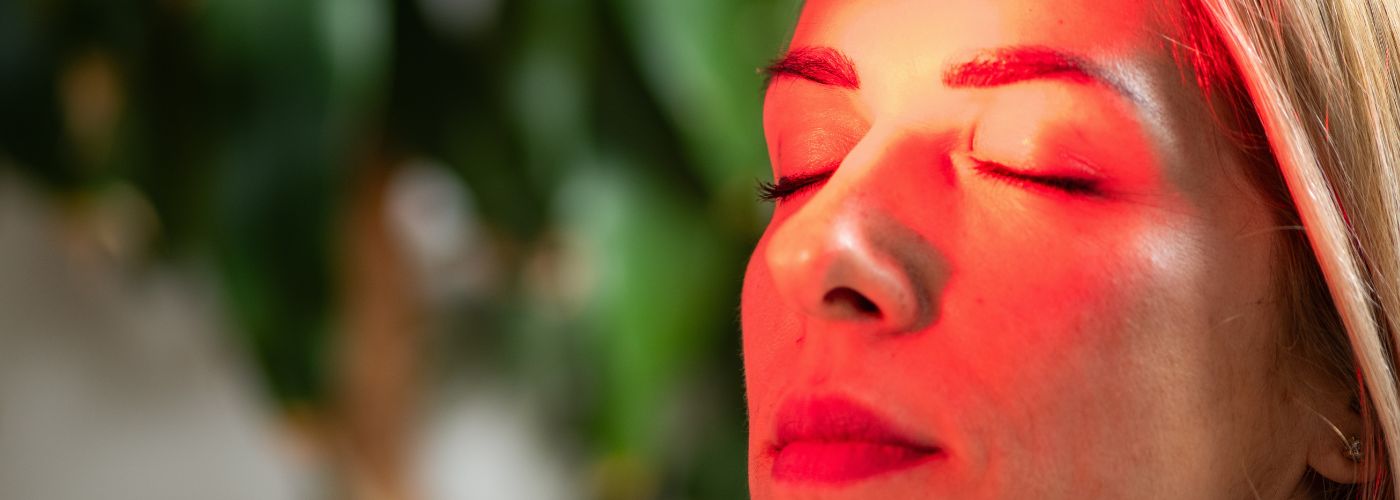
Many dermatology clinics and at-home devices use red or blue light because they are commonly associated with skin-related benefits. Some people notice gradual improvements after consistent use, while others may need several weeks before changes become visible.
The process is generally non-invasive, which makes it appealing for people who want an alternative to more aggressive cosmetic procedures.
When discussing whether light therapy help skin, it is important to understand that results vary based on skin type, treatment consistency, and the condition being treated.
While it may not completely eliminate every skin concern, many users report smoother texture, reduced irritation, and a healthier overall appearance after regular sessions.
Effects on Acne-Causing Bacteria and Inflammation
One of the most common reasons people try light therapy is to manage acne. Blue light treatments are designed to target bacteria linked to acne breakouts.
By reducing the amount of bacteria on the skin, some users experience fewer pimples and less redness over time. This can be especially helpful for individuals who want an option other than strong topical creams or oral medications.
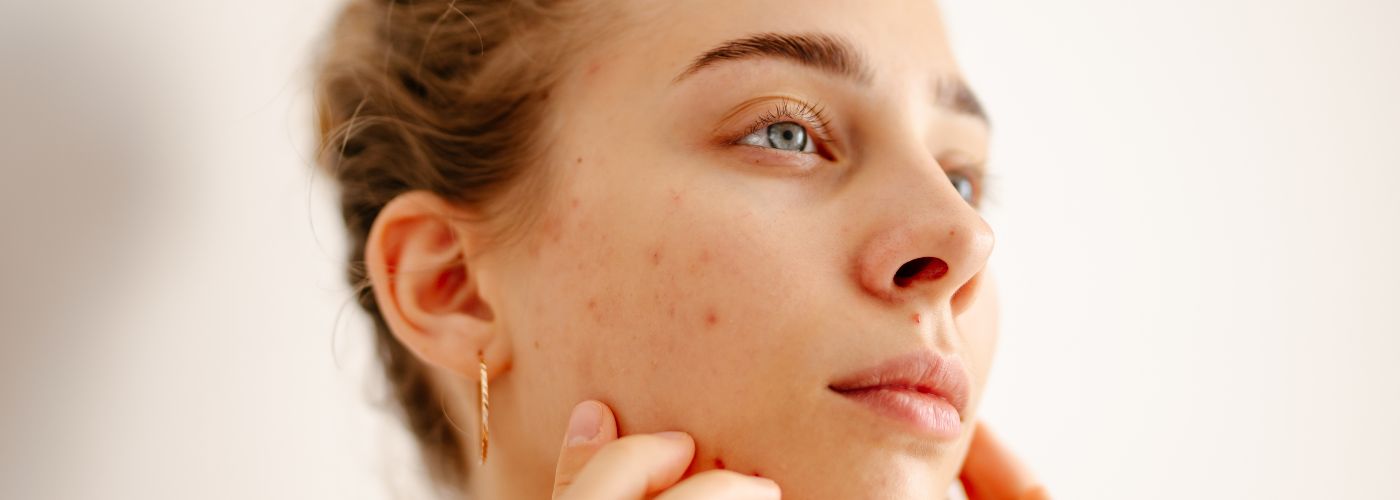
Inflammation also plays a major role in acne severity. Red light is sometimes combined with blue light because it may help calm irritated skin and reduce swelling. Lower inflammation can make blemishes appear less noticeable and may help the skin recover more comfortably after breakouts.
While results differ from person to person, many treatments focus on both bacterial reduction and calming the skin at the same time.
People searching for answers about whether light therapy help skin often find acne-related discussions first because this is one of the most widely studied uses. Some individuals notice improvements after several sessions, though severe acne may still require medical guidance.
How Different Light Wavelengths Target Skin Concerns
Different wavelengths are used because each one interacts with the skin in a unique way. Blue light is often associated with acne treatments because it targets bacteria found on the surface of the skin.
Red light is commonly used for anti-aging concerns since it may help stimulate circulation and support collagen production. Near-infrared light reaches deeper layers and is sometimes used to support recovery and reduce inflammation.
Each wavelength is selected for a specific purpose, which is why treatments are often customized based on the condition being addressed.
Someone struggling with breakouts may receive a different treatment plan than a person trying to reduce wrinkles or discoloration.
Experts who study whether light therapy help skin often focus on how these wavelengths interact with cells beneath the surface.
Impact on Collagen Production and Skin Texture
Collagen is an important protein that helps keep skin firm and smooth. As people age, collagen production naturally slows down, which can lead to wrinkles and looser skin.
Red light therapy is often used because it may stimulate cells responsible for collagen production. Over time, this may improve skin texture and reduce the appearance of fine lines.
Many people choose light-based treatments because they want gradual improvement without downtime. Some users report that their skin feels softer or appears brighter after repeated sessions.
Small changes in texture and firmness may become more noticeable when treatments are continued consistently over several weeks or months.
While the effects are usually not as dramatic as surgical procedures, they may still provide visible improvements for some individuals.
Research into whether light therapy help skin also looks at how these treatments support overall skin renewal.
Consistency and Treatment Duration Requirements
Light therapy is not usually considered a one-time solution. Most people need regular sessions before noticeable changes occur. Some professional treatments are done weekly, while at-home devices may be used several times each week.
The timeline for visible improvement depends on the concern being treated, as acne and anti-aging goals often require different schedules.
Patience is important because the process is gradual. Unlike treatments that produce immediate peeling or tightening, light therapy works beneath the surface over time.
People who stop treatments too early may not experience the full benefits that can develop with continued use.
Potential Side Effects and Skin Sensitivity Risks
Although light therapy is generally considered safe for many people, side effects can still happen. Some individuals experience temporary redness, dryness, or mild irritation after treatment.
These reactions are usually short-term, but sensitive skin types may react more strongly depending on the intensity of the device or the length of exposure.
Certain medications and skin conditions may increase sensitivity to light. People using products that contain retinoids or acids should be careful because their skin may become more reactive during treatment.
Protecting the skin and following device instructions carefully can reduce the likelihood of irritation or discomfort. Consulting a dermatologist may also help determine whether light therapy is appropriate for specific skin concerns.
Questions about whether light therapy help skin should also include discussions about safety and proper use. While many people tolerate treatments well, overuse or incorrect application may increase the chance of irritation.