

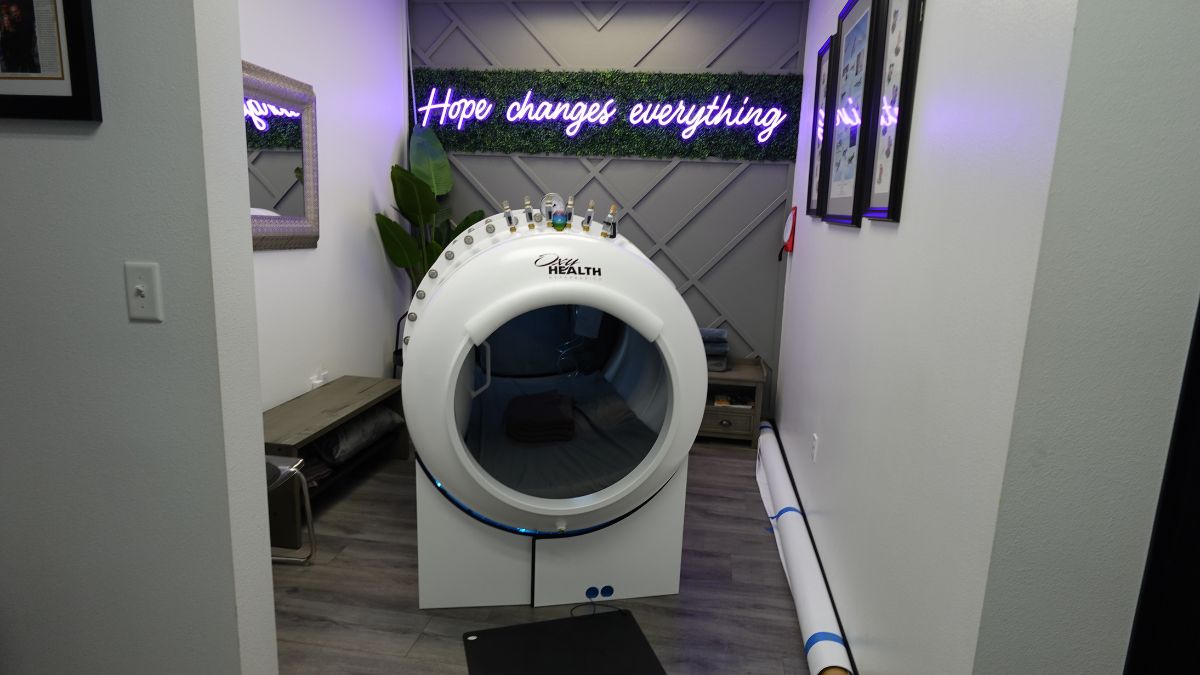
Hyperbaric oxygen therapy uses increased pressure and oxygen to change how oxygen is delivered throughout the body.
The therapy has established medical uses and is also explored for recovery, physical performance, and other wellness goals.
This article goes over the benefits of hyperbaric oxygen therapy, how HBOT works, and important factors to understand about treatment.
What Are the Benefits of Hyperbaric Oxygen Therapy?
The benefits of hyperbaric oxygen therapy are connected to the way the body responds to oxygen inside a pressurized environment.
During a session, a person rests inside a specialized chamber where the pressure is increased above normal atmospheric pressure.
Under these conditions, additional oxygen can dissolve into blood plasma and circulate throughout the body.
This process is what makes hyperbaric oxygen therapy different from simply breathing supplemental oxygen under normal atmospheric pressure.
The combination of pressure and oxygen changes how much oxygen can be carried in the bloodstream and made available to tissues.
This temporary increase in oxygen availability can support biological processes involved in tissue function, healing, and physical recovery.
However, the effects of HBOT can vary depending on the reason it is being used, the treatment protocol, and individual health factors.
How Does Hyperbaric Oxygen Therapy Work?
Oxygen normally travels through the bloodstream primarily by attaching to hemoglobin in red blood cells. During HBOT, the increased pressure allows additional oxygen to dissolve into the plasma.
This creates another way for oxygen to circulate throughout the body while a person is exposed to hyperbaric conditions.
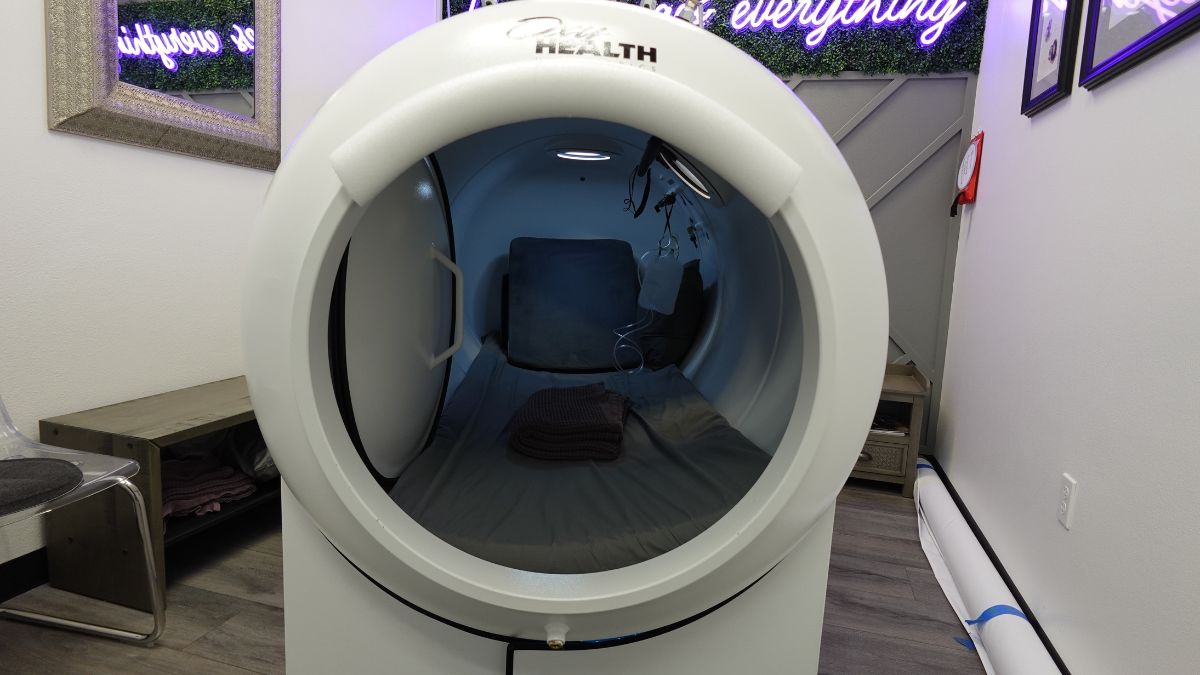
Pressure is therefore an important part of how hyperbaric oxygen therapy works. Breathing a high concentration of oxygen alone does not create exactly the same environment as receiving oxygen under increased atmospheric pressure.
The combination of oxygen and controlled pressure is what produces the changes in oxygen delivery associated with HBOT.
Hyperbaric Oxygen Therapy for Wound Healing and Tissue Repair
Hyperbaric oxygen therapy for wound healing is one of the areas where the relationship between oxygen and tissue repair becomes especially important.
Cells need oxygen to produce energy and perform many of the functions involved in maintaining healthy tissue. When an area is damaged, the body begins a series of processes designed to repair and rebuild that tissue.
HBOT can increase the amount of oxygen available during these processes.
Certain difficult-to-heal wounds are among the established medical applications for hyperbaric treatment, although the suitability of HBOT depends on the type of wound and the person’s overall medical situation.
Increased oxygen availability can support biological processes involved in the body’s normal response to damaged tissue.
HBOT does not mean every cut, injury, or wound requires hyperbaric treatment, and appropriate medical evaluation remains important for wounds that are serious or slow to heal.
HBOT for Inflammation and Swelling
Inflammation is part of the body’s natural response to injury, infection, and physical stress. It helps begin important protective and repair processes, but excessive or prolonged inflammation can create additional problems.
This has led to interest in the relationship between HBOT for inflammation and the body’s response to increased oxygen availability.
Hyperbaric oxygen can influence several biological processes associated with inflammation, but the effects can depend on the condition being treated.
Research into HBOT covers many different medical and recovery situations, so findings from one condition should not automatically be applied to another.
Inflammation serves an important purpose in the body, which means the goal is not simply to eliminate every inflammatory response.
The reason for inflammation and the underlying condition should be considered when evaluating whether hyperbaric treatment has a useful role.
Hyperbaric Oxygen Therapy for Athletes and Exercise Recovery
Exercise places temporary stress on muscles and other tissues. After demanding physical activity, the body needs time to restore energy, repair stressed tissue, and prepare for future activity.
Sleep, nutrition, hydration, and appropriate rest remain some of the most important parts of this process.
Hyperbaric oxygen therapy for athletes is also explored as an additional recovery method. Increased oxygen availability is one reason active adults may consider HBOT during demanding training periods or while recovering from physical stress.
A closer look at how HBOT helps with recovery provides additional information about its potential place in a recovery routine.
Hyperbaric therapy should support a well-rounded recovery plan rather than replace the basic habits the body needs between periods of activity.
Individual results and appropriate protocols can also differ depending on training demands and the reason HBOT is being considered.
How HBOT Supports Oxygen Delivery and Circulation
Many hyperbaric chamber benefits begin with changes in oxygen delivery. Under normal conditions, red blood cells carry most of the oxygen moving throughout the body.
Increased pressure during HBOT allows more oxygen to dissolve into plasma, increasing the amount available in the bloodstream during treatment.
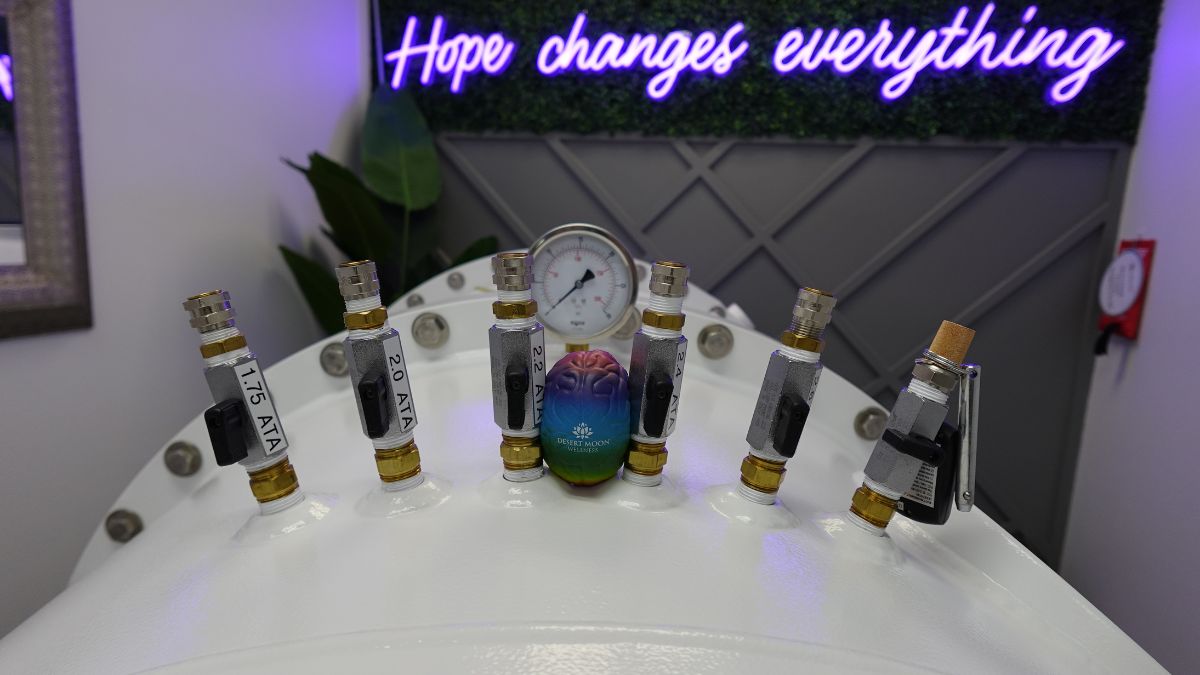
This does not mean HBOT permanently increases the amount of oxygen circulating in the body. The increased exposure takes place during the controlled hyperbaric session.
HBOT temporarily creates conditions where a greater amount of oxygen can be transported through the bloodstream than under ordinary atmospheric conditions.
Oxygen delivery is especially important because tissues throughout the body depend on a steady supply for normal function.
The way increased oxygen availability may affect a specific health concern, however, depends on the condition and should not be assumed based only on the general effects of HBOT.
Hyperbaric Oxygen Therapy and Cellular Energy
Cells constantly require energy to perform normal functions, and oxygen plays an important role in the process cells use to produce that energy.
This connection helps explain why the hyperbaric oxygen chamber benefits being studied go beyond simply increasing the amount of oxygen a person breathes.
HBOT temporarily changes the environment in which cells and tissues operate by increasing oxygen availability under pressure. Researchers continue to investigate how these changes affect different cellular processes and how those responses may apply to specific medical or recovery situations.
Changes at the cellular level can contribute to larger biological responses throughout tissues and other areas of the body.
The exact response can vary, which is why research into one application of HBOT should not automatically be treated as evidence for every other proposed use.
How Long Does Hyperbaric Oxygen Therapy Take?
People considering treatment often wonder how long hyperbaric oxygen therapy takes. A session generally involves more than simply entering the chamber and immediately receiving the full treatment pressure.
Pressure is gradually increased at the beginning and then gradually reduced again before the session ends.
The amount of time spent at treatment pressure can vary according to the protocol and purpose of the session.
Different medical conditions and wellness goals may use different approaches, so there is not one session length that applies to every person.
The length of a hyperbaric session should be based on the treatment protocol rather than the assumption that staying inside the chamber longer will provide better results.
Treatment pressure, frequency, and the reason for HBOT can be just as important as the length of an individual session.
How Many Hyperbaric Oxygen Therapy Sessions Are Needed?
Another common question is how many hyperbaric oxygen therapy sessions are needed before someone may experience the intended effects. There is no universal number because HBOT can be used for very different purposes.
Some treatment plans involve multiple sessions over a period of time, while other situations may follow a different schedule.
Frequency can depend on the condition being addressed, the type of chamber, treatment pressure, health history, and response to previous sessions.
This is also why comparing one person’s HBOT schedule with another person’s schedule may not provide useful guidance.
More sessions do not automatically equal better results because the appropriate amount of treatment depends on why HBOT is being used.
A treatment schedule should have a clear purpose instead of simply increasing exposure without considering individual circumstances.
What Does a Hyperbaric Chamber Feel Like?
A hyperbaric oxygen session is generally a passive experience. The person rests inside the chamber while pressure gradually increases to the planned treatment level.
Unlike exercise-based recovery methods, the person does not need to perform physical movements to create the treatment effect.
The change in pressure can cause sensations in the ears similar to what happens during an airplane flight or a change in altitude.
Swallowing, yawning, or other pressure-equalizing methods may help some people adjust as the pressure changes.
The most noticeable physical sensation for many people is related to the changing pressure rather than the increased oxygen itself.
Once treatment pressure is reached, the experience may feel different depending on the chamber, session length, and individual comfort level.
Hyperbaric Oxygen Therapy Side Effects and Safety
Understanding hyperbaric oxygen therapy side effects is an important part of considering treatment. Changes in pressure can affect the ears and sinuses, particularly when a person has difficulty equalizing pressure.
Other potential risks can depend on the treatment conditions and individual medical history.
People researching whether hyperbaric oxygen therapy is safe should consider both its potential uses and the precautions associated with treatment.
Proper procedures are especially important because HBOT involves a controlled pressurized environment and increased oxygen exposure.
Safety should be evaluated alongside the potential benefits rather than treated as a separate consideration after treatment has already begun.
Appropriate screening can help identify factors that may make hyperbaric treatment unsuitable or require additional medical guidance.
Who Should Avoid Hyperbaric Oxygen Therapy?
Hyperbaric oxygen therapy is not appropriate for everyone. Certain lung conditions, ear or sinus problems, medications, and other medical factors can affect whether a person can safely tolerate changes in atmospheric pressure.
Some circumstances may require medical clearance, while others may make treatment inappropriate.
Health history is therefore an important part of determining whether someone is a suitable candidate. This is different from simply deciding whether the potential hyperbaric chamber therapy benefits match a person’s wellness goals.
A treatment can have potential applications while still being unsuitable for a particular individual.
Personal medical factors should always take priority over general information about the possible advantages of HBOT.
Anyone with an existing medical condition or uncertainty about treatment should discuss those concerns with an appropriate healthcare professional before entering a hyperbaric environment.
Established Medical Uses Versus Wellness Applications
Hyperbaric oxygen therapy has established medical uses, but it is also discussed for a much broader range of recovery and wellness purposes.
These applications should not automatically be treated as though they have the same level of scientific support. Evidence can be strong for one use while remaining limited or developing for another.
This distinction is important when researching the benefits of hyperbaric chamber treatment online. General statements about oxygen, circulation, recovery, or cellular activity do not prove that HBOT can treat every condition associated with those processes.
A broader overview of advanced wellness therapies can also help explain how HBOT differs from other approaches that may be considered for wellness and recovery.
Understanding what has been established, what is still being researched, and what remains uncertain creates more realistic expectations about treatment.