

Recovering from a stroke can involve challenges with movement, speech, memory, and everyday activities. While rehabilitation remains an important part of recovery, researchers have also investigated whether hyperbaric oxygen therapy (HBOT) could support neurological function after a stroke.
Some studies report encouraging findings, while others find little or no meaningful improvement. This article examines HBOT and post-stroke recovery, including how the treatment works, what clinical research shows, and why its use remains investigational.
Understanding the Evidence Behind Hyperbaric Oxygen Therapy for Stroke Rehabilitation
Hyperbaric oxygen therapy involves breathing oxygen inside a pressurized chamber. The increased atmospheric pressure allows more oxygen to dissolve into blood plasma, temporarily changing how oxygen is transported throughout the body.
Researchers have investigated whether this increased oxygen availability could influence biological processes involved in brain recovery. However, a plausible biological mechanism does not automatically establish that a treatment improves neurological outcomes.
HBOT is not an established standard treatment for stroke recovery, and current evidence does not support its routine use for this purpose. Research continues to examine whether particular patient groups, treatment approaches, or stages of recovery might respond differently.
Understanding the difference between established medical indications and experimental applications is important when evaluating hyperbaric oxygen therapy for neurological conditions.
What Happens to the Brain During a Stroke?
A stroke occurs when blood flow to part of the brain is interrupted or when a blood vessel in the brain ruptures. Both can damage brain tissue and disrupt the functions controlled by the affected area.
An ischemic stroke happens when a blood vessel becomes blocked, preventing adequate blood flow to part of the brain. A hemorrhagic stroke involves bleeding within or around the brain.
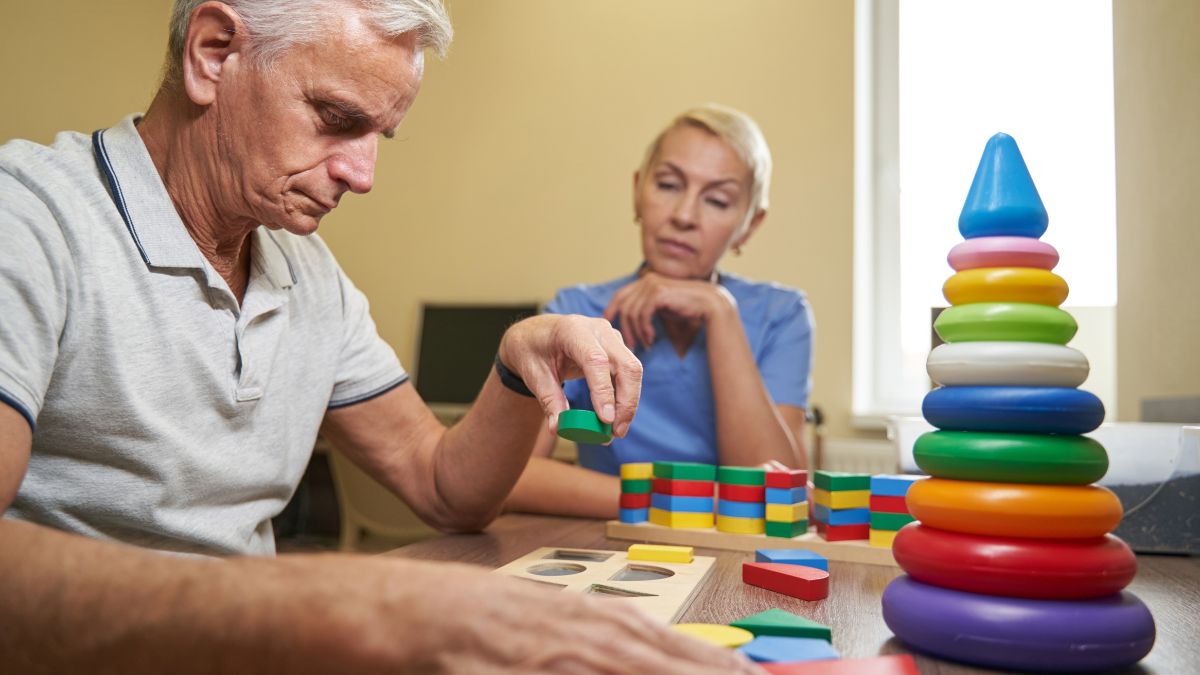
Brain cells require a continuous supply of oxygen and nutrients to function normally. When blood circulation is disrupted, cells may become injured or die, depending on the severity and duration of the interruption.
The location and extent of brain injury strongly influence the symptoms a person experiences and the rehabilitation support they may need.
Stroke can affect muscle strength, coordination, balance, communication, vision, swallowing, and thinking abilities. Some people recover substantial function, while others experience long-term disabilities.
How Does the Brain Recover After a Stroke?
Stroke recovery involves several biological and functional processes. Swelling may gradually decrease, surviving brain networks may adapt, and patients may learn new ways to perform activities affected by the injury.
One important concept is neuroplasticity, the nervous system’s ability to change its connections and activity in response to experience, injury, and learning.
Rehabilitation can help patients practice movements, communication skills, and everyday tasks. Repeated, appropriately guided activity may help the nervous system develop or strengthen useful patterns.
Neuroplasticity creates opportunities for functional improvement, but it does not guarantee that damaged brain tissue will regenerate or that every lost ability will return.
Recovery also depends on the type of stroke, the person’s health, access to rehabilitation, and complications that may arise afterward.
Why Are Researchers Studying HBOT for Post-Stroke Recovery?
Researchers are interested in HBOT because oxygen plays a central role in cellular energy production. Brain tissue has particularly high energy demands, making oxygen delivery a key part of normal neurological function.
Under hyperbaric conditions, additional oxygen dissolves into the liquid portion of the blood. This temporarily increases oxygen availability during treatment.
Scientists have investigated whether repeated hyperbaric oxygen exposure might influence inflammation, blood vessel function, and other processes involved in neurological injury and recovery.
These proposed mechanisms provide reasons to conduct clinical research, but they do not prove that HBOT restores brain function after a stroke.
Physiological changes from hyperbaric oxygen therapy must be evaluated separately from claims about treating a particular neurological condition.
Can HBOT Improve Movement and Physical Function After a Stroke?
Movement difficulties are common after a stroke. Patients may experience weakness, impaired coordination, changes in muscle tone, or difficulty walking and maintaining balance.
Physical and occupational rehabilitation may help patients practice mobility, transfers, hand movements, and daily activities. Treatment plans are usually adapted to the person’s abilities, safety needs, and rehabilitation goals.
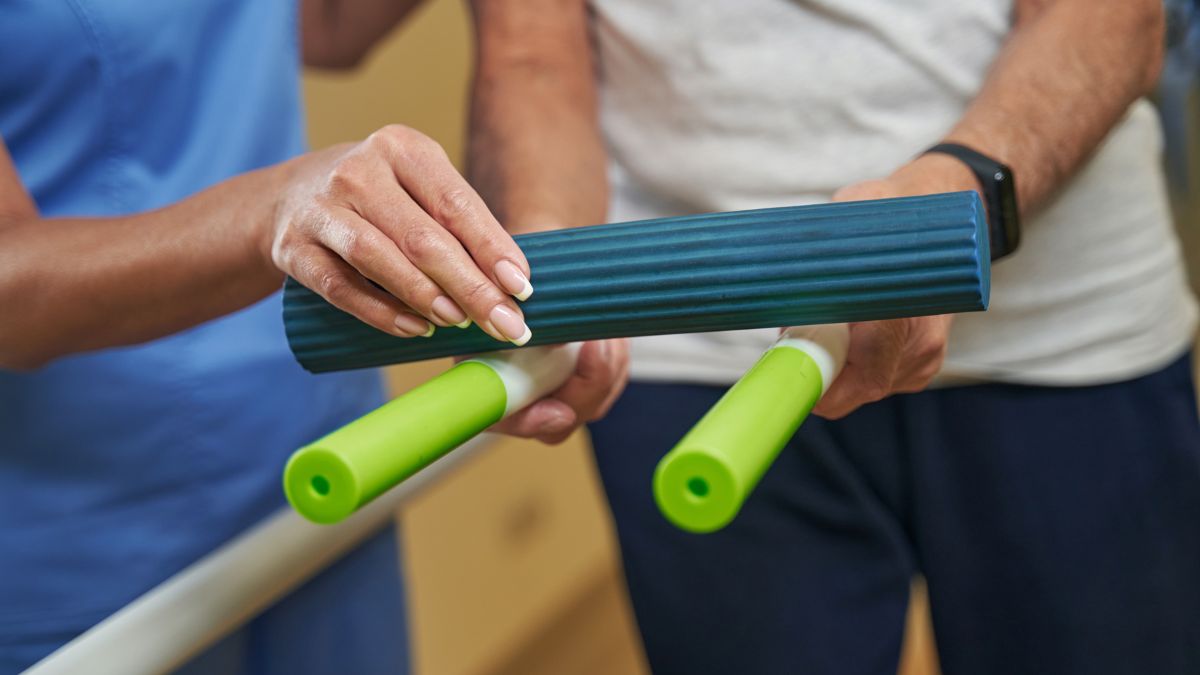
Some HBOT studies have measured neurological impairment or independence in daily activities. However, improvements reported in certain trials have not been consistently reproduced in stronger controlled research.
People with mobility problems should continue following individualized rehabilitation plans rather than replacing established therapy with an experimental intervention.
Can Hyperbaric Oxygen Therapy Help Memory and Cognitive Problems?
Stroke can affect attention, memory, processing speed, planning, and other cognitive abilities. These difficulties may interfere with work, communication, medication management, and everyday decision-making.
Researchers have studied HBOT for cognitive impairment after stroke, including its potential relationship with brain network activity and cognitive performance.
Some trials have reported favorable results on selected cognitive assessments, particularly when HBOT was combined with other rehabilitation methods. However, improvements on a test do not necessarily establish lasting benefits across all areas of daily life.
HBOT remains an investigational approach for post-stroke cognitive impairment because larger, well-controlled studies are needed to establish its effectiveness.
Cognitive rehabilitation, occupational therapy, speech-language therapy, and other established approaches may help patients address specific difficulties based on professional assessment.
Does HBOT Promote Neuroplasticity After Stroke?
Neuroplasticity is one reason HBOT has attracted attention in neurological research. Scientists have proposed that changes in oxygen availability could influence cellular signaling and other biological processes related to brain adaptation.
Some studies have examined changes in brain imaging, neurological activity, or cognitive performance after repeated hyperbaric sessions. These measurements may help researchers investigate possible treatment mechanisms.
However, a change in brain activity does not automatically mean that a person has experienced a meaningful improvement in independence, communication, or quality of life.
Evidence of a biological response should not be mistaken for proof that HBOT produces clinically meaningful neurological recovery.
Further studies must connect proposed mechanisms with reliable improvements in outcomes that matter to stroke survivors.
How Do HBOT and Standard Stroke Rehabilitation Differ?
Standard stroke rehabilitation focuses on helping patients recover abilities, adapt to limitations, and participate more fully in everyday activities. Depending on individual needs, it may involve physical therapy, occupational therapy, speech-language therapy, and cognitive rehabilitation.
These approaches use structured assessments and practical activities to address specific problems. Rehabilitation may continue across hospital, outpatient, home, and community settings.
HBOT differs because it involves controlled exposure to oxygen under increased atmospheric pressure. It does not directly teach movement patterns, communication skills, or strategies for completing daily tasks.
Hyperbaric oxygen therapy should not replace rehabilitation methods that are part of established stroke recovery care.
Although HBOT and physical recovery are discussed in several medical and wellness contexts, the strength of evidence depends on the particular condition being treated.
Does the Timing of HBOT Affect Research Outcomes?
Stroke recovery changes over time, and the biological conditions present immediately after a stroke differ from those experienced months or years later.
During acute ischemic stroke, restoring appropriate blood flow and limiting further injury are central medical priorities. During later rehabilitation, treatment focuses more heavily on functional improvement and adaptation.
Researchers have investigated HBOT at different stages, but studies have not established an optimal treatment window for post-stroke neurological recovery.
Some trials also differ in treatment duration and session frequency. These variations make it difficult to determine whether outcome differences reflect timing, patient selection, or other factors.
No universally accepted HBOT schedule or treatment window has been established for improving post-stroke recovery.
Experimental treatment should never delay emergency stroke care or established rehabilitation services.
What Happens During a Hyperbaric Oxygen Therapy Session?
During medical HBOT, a patient enters a specialized chamber where staff increase atmospheric pressure under controlled conditions. Oxygen is delivered according to the treatment protocol, and pressure is gradually reduced before the session ends.
Patients may notice pressure changes in their ears, similar to sensations experienced during air travel. Medical supervision and appropriate screening are important because increased pressure and oxygen exposure carry potential risks.
Clinical studies of stroke have used different treatment pressures, session durations, and numbers of sessions. These research protocols should not be interpreted as a standard recommendation for stroke survivors.
The fact that a hyperbaric chamber can deliver controlled oxygen exposure does not establish that the treatment is appropriate for every neurological condition.
Understanding how a hyperbaric chamber works also helps distinguish medical hyperbaric treatment from lower-pressure wellness systems that may not reproduce clinical research conditions.
What Are the Risks of HBOT for Stroke Survivors?
HBOT can cause side effects associated with pressure changes and oxygen exposure. Ear discomfort and sinus pressure are relatively common concerns, while more serious complications can occur less frequently.
Potential risks include middle-ear injury, lung barotrauma, oxygen-related seizures, and temporary changes in vision. An untreated pneumothorax is a contraindication to HBOT.
Stroke survivors may also have medical conditions, medications, mobility limitations, or communication difficulties that affect treatment suitability and safety.
The uncertain benefits of HBOT for stroke recovery must be weighed against its potential risks and the person’s overall medical condition.
Whether hyperbaric oxygen therapy is safe for an individual depends on medical screening, the intended treatment protocol, and the condition being evaluated.
Why Do Some Stroke Studies Report Benefits While Others Do Not?
Clinical studies can produce different findings for several reasons. Participants may differ in age, stroke type, severity, time since injury, and access to rehabilitation.
Research protocols also vary. Some trials use a sham treatment, while others compare HBOT with standard care without fully accounting for expectations or additional attention received by participants.
Outcome measures are another important consideration. A study may find improvement in one neurological score without demonstrating better mobility, independence, or quality of life.
Small sample sizes and short follow-up periods can also reduce result reliability. Researchers need adequately powered trials that measure patient-important outcomes over meaningful periods.
A promising result from one study does not establish treatment effectiveness when other well-controlled studies fail to reproduce the benefit.
This is why systematic reviews, clinical guidelines, and overall evidence quality matter when interpreting HBOT research.
What Should Stroke Survivors Consider Before Exploring HBOT?
People interested in HBOT after a stroke should first discuss their recovery goals with their treating neurologist or rehabilitation team. The medical team can explain which treatments are evidence-supported and whether any additional intervention is appropriate.
It is also important to distinguish research participation from routine clinical care. A properly designed clinical trial may offer structured monitoring and contribute useful evidence, but participation does not guarantee personal benefit.
Patients should ask whether a proposed treatment is recognized for their condition, what evidence supports it, what risks are involved, and whether it could interfere with ongoing rehabilitation.
Stroke survivors should not interpret investigational HBOT research as proof that the therapy can reverse established neurological damage.
Recovery planning should continue to prioritize medical follow-up, appropriate rehabilitation, management of stroke risk factors, and realistic functional goals.
What Does Current Evidence Mean for the Future of HBOT Research?
Hyperbaric oxygen therapy remains an area of scientific interest in neurological rehabilitation. Researchers continue to examine possible effects on oxygen availability, cognitive function, brain activity, and functional recovery.
However, the results are not consistent enough to establish HBOT as a routine treatment for stroke survivors. Some controlled trials have found no clinically important benefit, while other studies have reported encouraging outcomes in selected measures or combined treatment programs.
Future research may help clarify whether particular patient groups benefit, which outcomes should be measured, and whether any proposed treatment effects are durable.
For now, HBOT and post-stroke recovery should be discussed as an investigational research topic rather than a proven neurological rehabilitation treatment.
Patients and families can make better-informed decisions by considering the full body of evidence and continuing to work with qualified medical and rehabilitation professionals.