

Skin grafts and tissue flaps help surgeons repair areas affected by injuries, wounds, and tissue loss. Although many procedures heal successfully, complications can develop when the repaired tissue does not receive enough blood and oxygen.
In selected cases, hyperbaric oxygen therapy (HBOT) may help support tissue at risk of failure. This article explains HBOT for compromised skin grafts and flaps, including its clinical uses, potential benefits, and supporting evidence.
How Hyperbaric Oxygen Therapy Supports Threatened Grafts and Flaps
Hyperbaric oxygen therapy is a recognized adjunctive treatment for certain skin grafts and tissue flaps with circulation or oxygen-delivery problems. These complications can threaten tissue survival following reconstructive surgery.
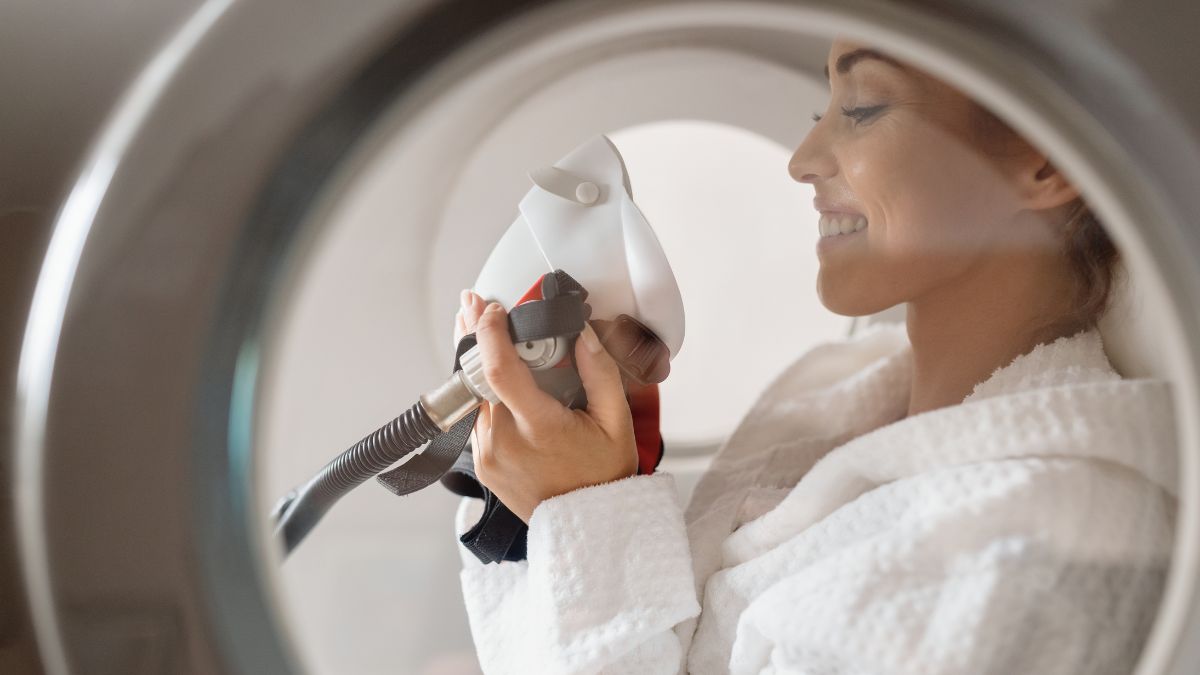
During hyperbaric oxygen therapy, patients breathe oxygen under increased atmospheric pressure. This allows more oxygen to dissolve into blood plasma, temporarily increasing oxygen availability in tissues that can receive it.
HBOT is primarily considered for compromised grafts and flaps, not healthy tissue that is healing normally. The underlying cause of poor circulation must also be addressed through appropriate medical or surgical treatment.
What Is the Difference Between a Skin Graft and a Tissue Flap?
Skin grafts and tissue flaps both repair damaged areas, but they differ in how blood reaches the transferred tissue. A skin graft is removed from one area and placed over another without retaining its original blood supply.
During early healing, the graft receives nutrients from the underlying wound bed before establishing new vascular connections. If this process is disrupted, the graft may not survive.
A tissue flap includes skin, fat, muscle, or other tissue transferred while maintaining or surgically reconnecting its blood supply. Surgeons may move flaps from nearby areas or transfer them during more complex reconstructive procedures.
Skin grafts must establish circulation from the receiving area, while tissue flaps depend on an existing or surgically reconnected blood supply. Both can develop complications when circulation becomes inadequate.
What Causes a Skin Graft or Flap to Become Compromised?
A compromised graft or flap is tissue at risk of failing because it cannot maintain adequate circulation or oxygen delivery. Arterial insufficiency occurs when too little blood enters the tissue, while venous congestion develops when blood cannot drain properly.
Other contributing factors include swelling, infection, pressure, damaged blood vessels, and previous radiation treatment. A skin graft may also struggle when the receiving wound bed has insufficient circulation.
Identifying the cause of tissue compromise is essential because different circulation problems require different treatments. A blocked blood vessel or another surgically correctable complication may require urgent intervention.
HBOT may support selected tissues experiencing reduced oxygen availability, but it cannot correct every underlying problem or restore circulation through a completely obstructed vessel.
Why Oxygen Is Important for Graft and Flap Survival
Living tissue needs oxygen to produce energy, maintain cellular activity, and repair damage. When circulation becomes inadequate, oxygen levels may fall below what cells need to survive.
Skin grafts depend on their receiving wound bed during early healing. Tissue flaps rely on adequate blood flow through their existing or reconnected vessels. When circulation is disrupted, tissue may become ischemic, meaning it receives insufficient blood.
Oxygen also supports collagen formation and other processes involved in wound repair. These functions help explain why oxygen availability matters during reconstructive healing.
Prolonged oxygen deprivation can cause irreversible tissue damage, making early recognition of circulation problems important.
Researchers studying HBOT for skin and healthy aging have also examined oxygen-related processes involving collagen and circulation. However, research involving healthy skin should not be treated as direct evidence that HBOT can save a compromised graft or flap.
How HBOT May Help Compromised Skin Grafts and Flaps
HBOT increases oxygen dissolved in blood plasma by combining concentrated oxygen with elevated atmospheric pressure. This temporarily increases oxygen availability in tissues with some remaining circulation.
Researchers have examined how HBOT may affect tissue swelling, microcirculation, and ischemia-reperfusion injury. This injury occurs when blood flow returns after reduced circulation and contributes to additional tissue damage.
Hyperbaric oxygen may also support cellular processes involved in repair and blood vessel development. These mechanisms help explain how HBOT supports recovery in certain types of tissue injury, although clinical outcomes depend on the condition being treated.
The goal of HBOT is to support threatened tissue while medical professionals address the cause of impaired circulation.
It does not replace procedures needed to correct blocked vessels, manage infection, or remove damaged tissue. Its potential effectiveness depends on the tissue’s condition and the underlying complication.
When Is HBOT Considered for a Compromised Skin Graft?
HBOT may be considered when a skin graft shows evidence of poor oxygen delivery or compromised healing. The decision depends on the graft’s condition and the underlying cause.
For example, grafts placed over previously irradiated tissue may face healing challenges because radiation can damage small blood vessels. Other cases may involve extensive tissue damage or a wound bed with reduced circulation.
Doctors assess the graft’s appearance, attachment, surrounding tissue, and signs of complications. When needed, additional testing may help evaluate circulation.
HBOT is not routinely recommended for healthy skin grafts that are progressing through normal healing. Compromised grafts require individualized care that may include wound management, infection treatment, and surgical evaluation.
When Can HBOT Be Used for a Threatened Tissue Flap?
Tissue flaps can experience circulation problems following reconstructive surgery. Reduced arterial inflow or venous congestion may threaten survival, although each problem requires different management.
When a surgically connected vessel becomes blocked, immediate surgical evaluation is particularly important. HBOT should never delay an operation needed to restore blood flow.
In selected cases where a flap remains compromised despite appropriate management, HBOT may be considered to support oxygen delivery to vulnerable tissue.
Hyperbaric oxygen therapy is an additional treatment option for selected threatened flaps, not a substitute for correcting surgically repairable circulation problems.
Considerations involving HBOT after surgery also include the timing of treatment, postoperative restrictions, and whether the patient’s surgical team considers hyperbaric treatment appropriate.
What Are the Signs of a Failing Skin Graft or Flap?
Changes in tissue appearance may indicate inadequate circulation, although symptoms vary by procedure and complication.
Concerning signs include unusual paleness, dark discoloration, increasing swelling, temperature changes, or changes in capillary refill. Venous congestion may cause swollen, dark-looking tissue, while inadequate arterial supply may produce a pale or cool appearance.
Increasing pain, unusual drainage, or other changes may also raise concerns about infection or tissue damage. However, not every postoperative color change indicates graft or flap failure.
Report unexpected changes promptly to the treating surgical team because delayed evaluation may reduce the opportunity to preserve affected tissue.
Patients should follow their surgeon’s monitoring instructions rather than attempting to determine tissue viability themselves.
What Does Clinical Research Say About HBOT for Grafts and Flaps?
Researchers have studied hyperbaric oxygen therapy as an additional treatment for compromised grafts and flaps. The Undersea and Hyperbaric Medical Society recognizes this application while distinguishing threatened tissue from healthy grafts and flaps.
Clinical studies and reviews have reported potentially favorable outcomes in selected cases, including improved tissue survival. However, the available research includes different surgical procedures, patient populations, and treatment protocols.
These differences make direct comparisons difficult. Some studies also have limitations involving sample size, study design, and the ability to separate HBOT’s effects from other treatments.
Available evidence suggests HBOT may benefit selected compromised grafts and flaps, but it does not establish that every reconstructive procedure will respond favorably.
The broader evidence surrounding hyperbaric oxygen therapy for wound healing also varies by diagnosis. Findings from one wound category cannot automatically establish effectiveness for another.
Further well-designed studies are needed to clarify which patients benefit most and how to optimize treatment.
Why Treatment Timing Matters for Compromised Tissue
When a graft or flap loses adequate circulation, prolonged oxygen deprivation can cause progressive cellular damage. The longer tissue remains severely compromised, the greater the risk of irreversible injury.
Early medical evaluation allows surgeons to investigate the blood supply, relieve pressure, or correct vascular complications when possible.
Clinical guidance supports considering HBOT promptly when appropriate, but treatment must be coordinated with necessary surgical interventions.
Early intervention matters because HBOT is intended to support potentially recoverable tissue, not restore tissue that has already undergone irreversible damage.
The treatment plan depends on the cause of the complication, remaining tissue viability, and whether circulation can be restored.
What Happens During HBOT for a Compromised Graft or Flap?
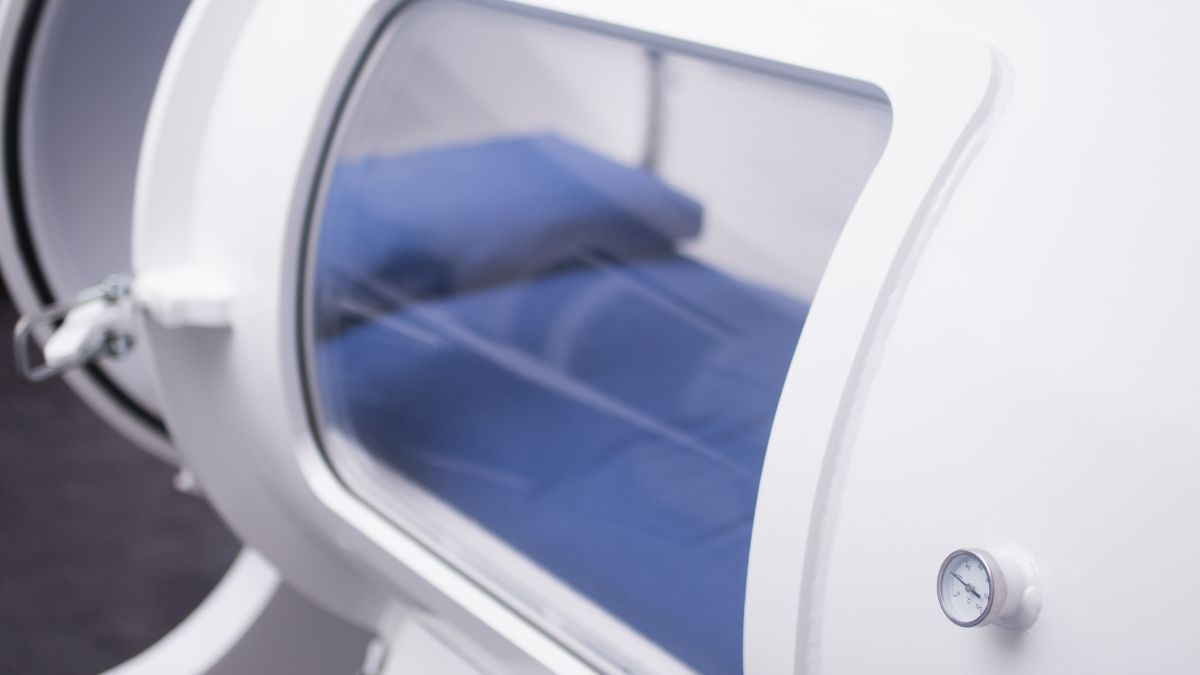
Medical HBOT takes place in a specialized chamber where atmospheric pressure increases while the patient breathes oxygen. Treatment follows a prescribed protocol under appropriate medical supervision.
Pressure gradually increases at the beginning of the session and returns to normal afterward. Treatment duration and frequency depend on the patient’s condition and clinical response.
The Tenth European Consensus Conference on Hyperbaric Medicine suggests treatment pressures of 203 to 253 kilopascals for compromised skin grafts and flaps. Its guidance describes sessions lasting at least 60 minutes, preferably 90 to 120 minutes, with treatment frequency determined by the patient’s condition and tissue response.
HBOT protocols require individualized medical assessment rather than one fixed treatment schedule for every patient.
The pressure levels used in clinical treatment are an important consideration when comparing different hyperbaric chamber types, since lower-pressure systems should not automatically be considered equivalent to the protocols studied for established medical indications.
Can HBOT Prevent the Need for Another Graft or Flap Procedure?
One goal of treating compromised tissue is to preserve as much viable tissue as possible. Successful preservation may reduce the need for additional reconstructive procedures.
Clinical research has examined whether HBOT can improve tissue survival when combined with appropriate medical and surgical management. Some findings suggest potential benefits, but outcomes vary.
Severe circulation problems, infection, and extensive tissue damage may still require another procedure. The underlying complication and response to treatment strongly influence the outcome.
HBOT may help preserve threatened tissue in selected cases, but it cannot guarantee avoiding repeat surgery.
Why HBOT Does Not Replace Standard Surgical Care
Compromised grafts and flaps develop for different reasons, and increased oxygen delivery cannot resolve every complication. Treatment must address the underlying problem.
A blocked blood vessel may require urgent repair, while infection may require antibiotics, drainage, or removal of damaged tissue. Pressure affecting circulation may also need correction.
Medical teams consider wound management, swelling, and other factors that influence healing. The appropriate combination of treatments depends on the individual case.
HBOT should complement established surgical and wound-care treatments rather than delay interventions needed to restore tissue viability.
Who May Be a Candidate for HBOT After Reconstructive Surgery?
Doctors may evaluate patients for HBOT when a graft or flap shows signs of compromised viability. Reconstructive surgery alone does not mean treatment is necessary.
Doctors review tissue appearance, circulation, previous procedures, and the cause of the complication. They also determine whether additional surgery or another intervention is required.
Previous radiation exposure or significant tissue injury may influence healing, but these factors do not automatically establish eligibility.
Patient selection depends on documented tissue compromise, the underlying cause, and whether HBOT is medically appropriate.
What Are the Risks of HBOT After Graft or Flap Surgery?
HBOT involves increased atmospheric pressure and concentrated oxygen exposure, so it requires appropriate medical screening and supervision.
Potential side effects include ear discomfort, sinus pressure, and temporary vision changes. Less common but serious complications include oxygen-related seizures and lung pressure injuries.
An untreated pneumothorax is a contraindication to HBOT. Recent surgery may also raise concerns about wound stability, positioning restrictions, and medical devices.
Safety screening is important because treatment benefits must be weighed against individual medical conditions and postoperative risks.
Whether hyperbaric oxygen therapy is safe for an individual patient depends partly on their medical history, lung and ear health, medications, and any restrictions associated with their recent surgery.
How Do Doctors Evaluate Whether a Graft or Flap Is Improving?
Doctors monitor tissue viability throughout recovery to determine whether circulation and healing are improving. The assessment depends on the reconstruction and the complication involved.
Clinical observations may include tissue color, temperature, swelling, capillary refill, and wound appearance. Additional testing may help assess oxygenation or blood flow when necessary.
The Tenth European Consensus Conference discusses methods such as transcutaneous oxygen measurement and laser Doppler assessment alongside clinical judgment.
No single measurement can reliably predict whether every compromised graft or flap will survive. Repeated evaluation helps determine whether to continue treatment or whether additional intervention is needed.
Is HBOT Necessary for Every Skin Graft or Flap?
Hyperbaric oxygen therapy is not recommended simply because a patient has undergone skin grafting or reconstructive surgery. Many grafts and flaps heal successfully with appropriate postoperative care.
The Undersea and Hyperbaric Medical Society distinguishes compromised grafts and flaps from healthy tissue that is healing normally.
Evidence supporting HBOT for threatened tissue should not automatically be applied to routine cosmetic or reconstructive procedures.
A graft or flap does not automatically justify HBOT; the relevant concern is whether the tissue is compromised and may benefit from additional oxygen support.
What Should Patients Understand About HBOT for Compromised Grafts and Flaps?
Hyperbaric oxygen therapy is a recognized additional treatment for selected compromised skin grafts and tissue flaps. It may support oxygen delivery and biological processes involved in preserving threatened tissue.
However, treatment cannot replace surgery needed to correct circulation problems, manage infection, or provide other essential medical care.
Clinical evidence suggests potential benefits in selected patients, although outcomes depend on the complication, tissue condition, and overall treatment approach.
Early recognition of tissue compromise and appropriate medical evaluation remain essential to determining whether HBOT has a useful role in recovery.