

Stress can affect the body in many ways, including muscle tension, restlessness, poor sleep, and difficulty slowing down after a busy day. PEMF therapy is a noninvasive wellness approach that uses pulsed electromagnetic fields, and some people include it as part of a routine focused on rest and recovery.
This article goes over ways PEMF sessions may be combined with relaxing habits and a comfortable wellness routine.
Ways PEMF Therapy Helps With Stress
People often look for simple ways to create more time for relaxation when daily responsibilities begin to feel overwhelming. One option is to build a routine around quiet activities that encourage the body to settle down.
When considering whether PEMF therapy help with stress, it is useful to think of the sessions as one part of a broader relaxation routine rather than a replacement for healthy stress management habits.
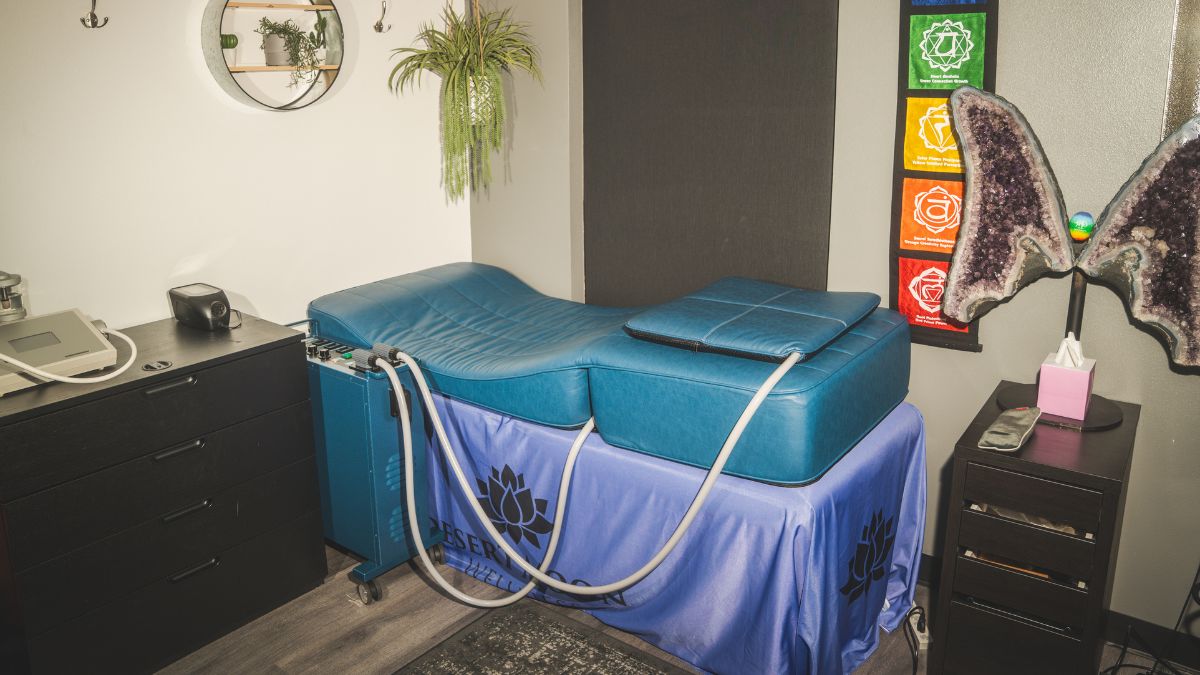
A PEMF session generally allows a person to remain still while the device delivers pulsed electromagnetic fields to the body.
This quiet period can provide an opportunity to move away from phones, work, chores, and other distractions for a set amount of time.
Creating regular periods of quiet and reduced stimulation can make it easier to focus on rest instead of the demands of the day.
The experience can also be paired with other calming practices based on personal comfort and wellness goals.
Pairing PEMF Sessions With Deep Breathing Exercises
Deep breathing is a simple relaxation practice that can be performed while sitting or lying comfortably. Slow breathing encourages a person to focus attention on each breath instead of thinking about work, schedules, or other sources of stress.
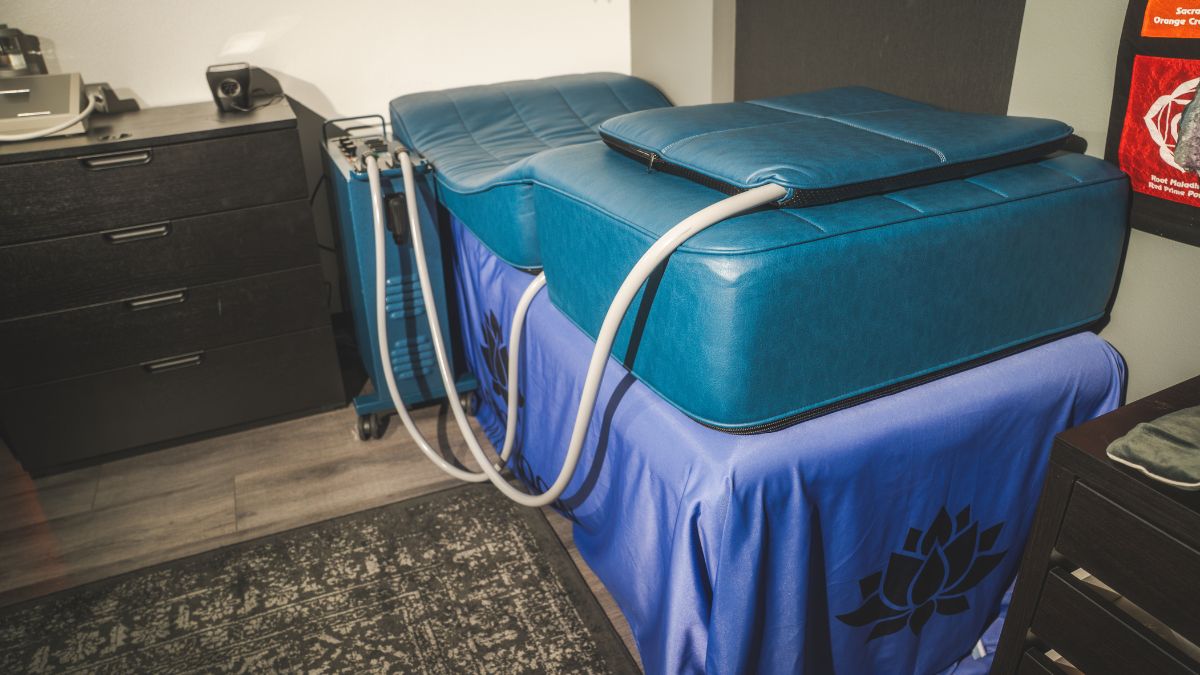
For people exploring how PEMF therapy help with stress, combining a session with controlled breathing may provide a structured period for slowing down and focusing on relaxation.
Breathing exercises do not need to be complicated. A person may breathe in slowly through the nose, pause briefly, and then breathe out at a comfortable pace.
The goal is not to force unusually deep breaths but to create a smooth and steady rhythm.
Slow, comfortable breathing can help turn a quiet wellness session into a more focused relaxation experience. Anyone who feels dizzy or uncomfortable should return to normal breathing instead of trying to continue a specific breathing pattern.
Combining PEMF Sessions With Mindfulness Practices
Mindfulness involves paying attention to what is happening in the present moment rather than becoming caught up in thoughts about the past or future.
During a PEMF session, a person may practice mindfulness by noticing their breathing, how their body feels, or the sounds in the room.
This can give the mind a specific point of focus during a period that has already been set aside for rest.
Someone wondering whether PEMF therapy helps with stress may choose to use mindfulness as a way to make the session feel more intentional.
Instead of checking messages or thinking about the next task, the person can gently bring attention back to the present whenever the mind begins to wander.
Mindfulness does not require clearing every thought from the mind, but rather noticing thoughts without allowing each one to control your attention.
With practice, this approach may make quiet periods feel easier and more natural.
Creating a Comfortable Environment During PEMF Treatment
The surrounding environment can influence how easy or difficult it feels to relax. A room filled with loud sounds, bright lights, uncomfortable temperatures, or constant interruptions may make it harder to settle into a quiet session.
Creating a comfortable space before beginning treatment can reduce unnecessary distractions and make the experience more pleasant.
For people interested in whether PEMF therapy helps with stress, small environmental changes can support the relaxation side of the experience.
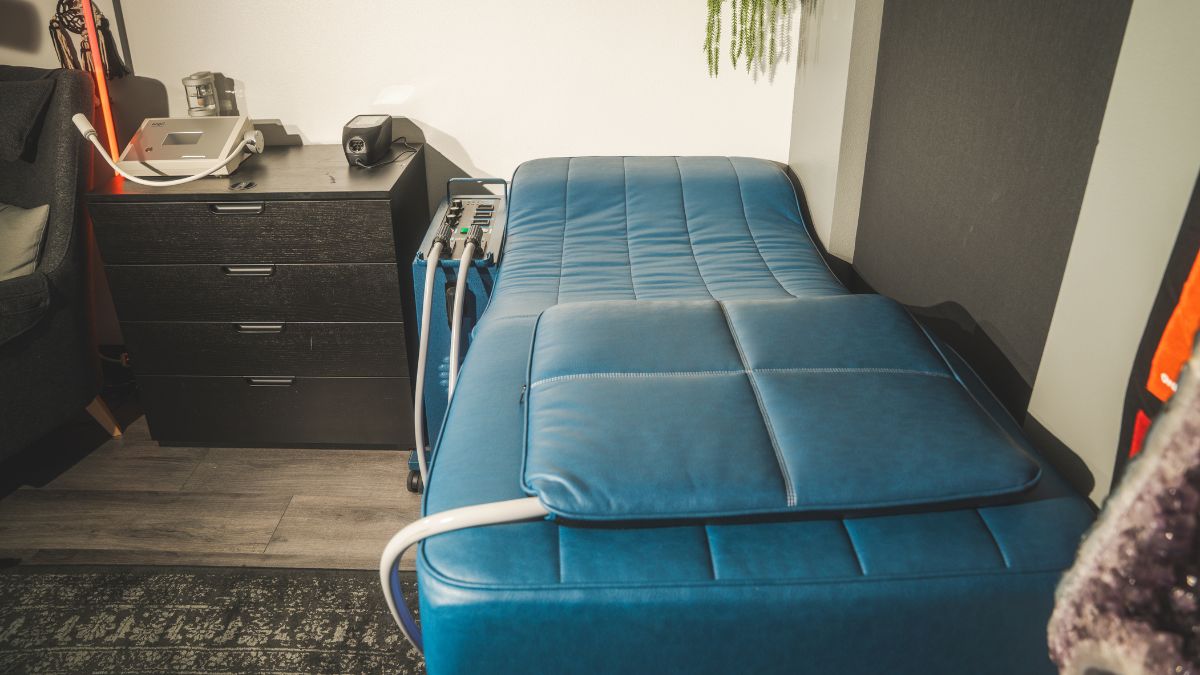
This may include placing a phone on silent, choosing comfortable clothing, adjusting the room temperature, or reducing harsh lighting.
Some people may prefer gentle music or quiet background sounds, while others may find silence more relaxing.
A calm environment gives the body and mind fewer outside distractions to respond to during a period intended for rest. Personal comfort should guide how the space is arranged.
Incorporating PEMF Therapy Into a Post-Workout Recovery Routine
Exercise places temporary physical demands on muscles and other tissues, making recovery an important part of a regular fitness routine.
After a workout, people may spend time cooling down, drinking water, eating an appropriate meal, stretching gently, or simply resting. A PEMF session can be scheduled during this quieter part of the day when strenuous activity has already ended.
Someone researching whether PEMF therapy helps with stress may find that placing a session after exercise creates a natural transition from physical activity to rest.
Rather than immediately returning to work, errands, or another demanding activity, the session can provide dedicated downtime.
A consistent recovery routine can create a clear separation between periods of physical effort and periods of rest.
PEMF should not replace hydration, nutrition, appropriate rest, or medical care when an exercise-related injury is suspected.
Using PEMF Sessions Before Calming Bedtime Activities
The period before bed can influence how easily a person shifts from daytime activity into a quieter nighttime routine. Constant phone use, work, intense exercise, or other stimulating activities close to bedtime can make it difficult for some people to mentally slow down.
Scheduling quieter activities in the evening can create a more gradual transition toward sleep.
People asking whether PEMF therapy helps with stress may decide to schedule sessions before other calming bedtime habits, such as reading, gentle stretching, taking a warm shower, or listening to relaxing audio.
Keeping the routine simple and consistent can make these activities easier to follow from night to night.
A predictable evening routine can signal that the active part of the day is ending and it is time to focus on rest.
PEMF therapy should not be viewed as a treatment for insomnia or other sleep disorders unless its use has been discussed with an appropriate healthcare professional.