
Red light therapy can be delivered across a large area of the body or concentrated on a smaller location depending on the equipment being used. A full-body red light therapy bed provides broad light exposure, while targeted light therapy directs treatment toward a specific area.
This article compares a full-body red light bed vs targeted light therapy, including how each approach works, treatment coverage, skin and recovery goals, and how to decide which option may fit your needs.
Full-Body Red Light Bed vs Targeted Light Therapy: What Is the Difference?
The main difference between a full-body red light bed and targeted light therapy is how much of the body receives light during a session.
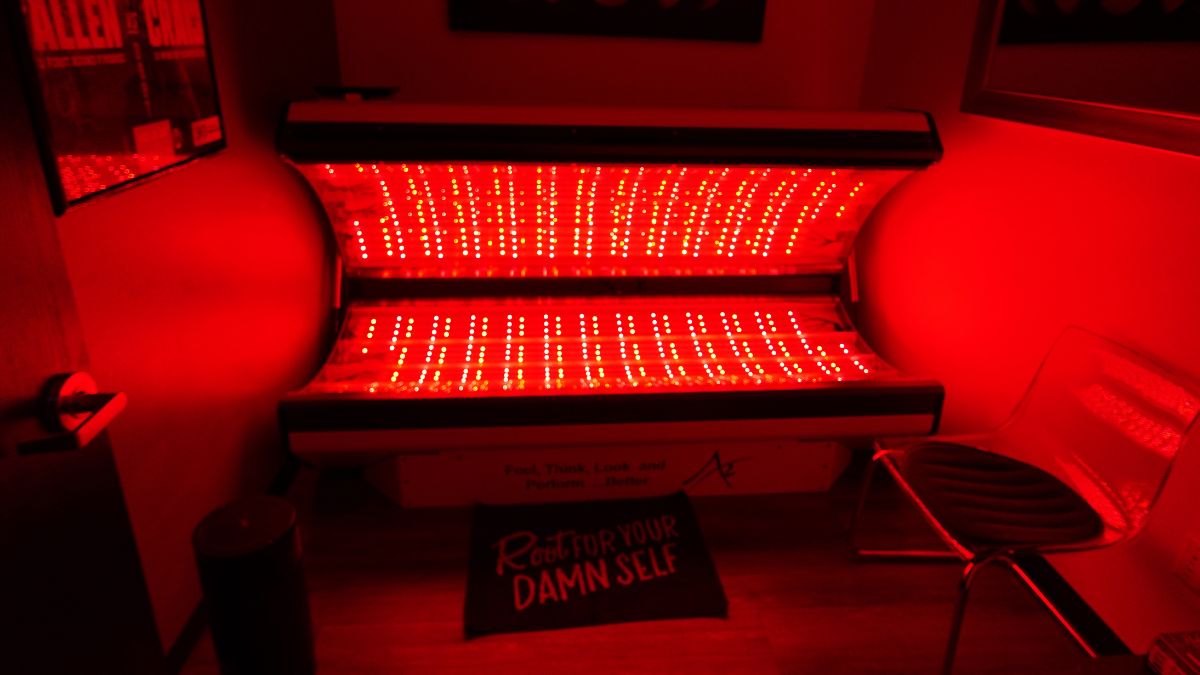
A red light therapy bed is designed to expose larger surface areas at the same time, making it useful when the goal involves multiple areas or broader wellness and recovery support.
Targeted light therapy takes a more localized approach. Instead of surrounding much of the body with light, the device can be positioned over a particular area, such as the face, shoulder, knee, back, or another location that is the main focus of the session.
The better option depends largely on whether the goal involves broad light exposure or focused treatment of a specific area.
Both approaches use selected wavelengths of light, but differences in treatment area and equipment can make each option useful for different goals.
What Is a Full-Body Red Light Therapy Bed?
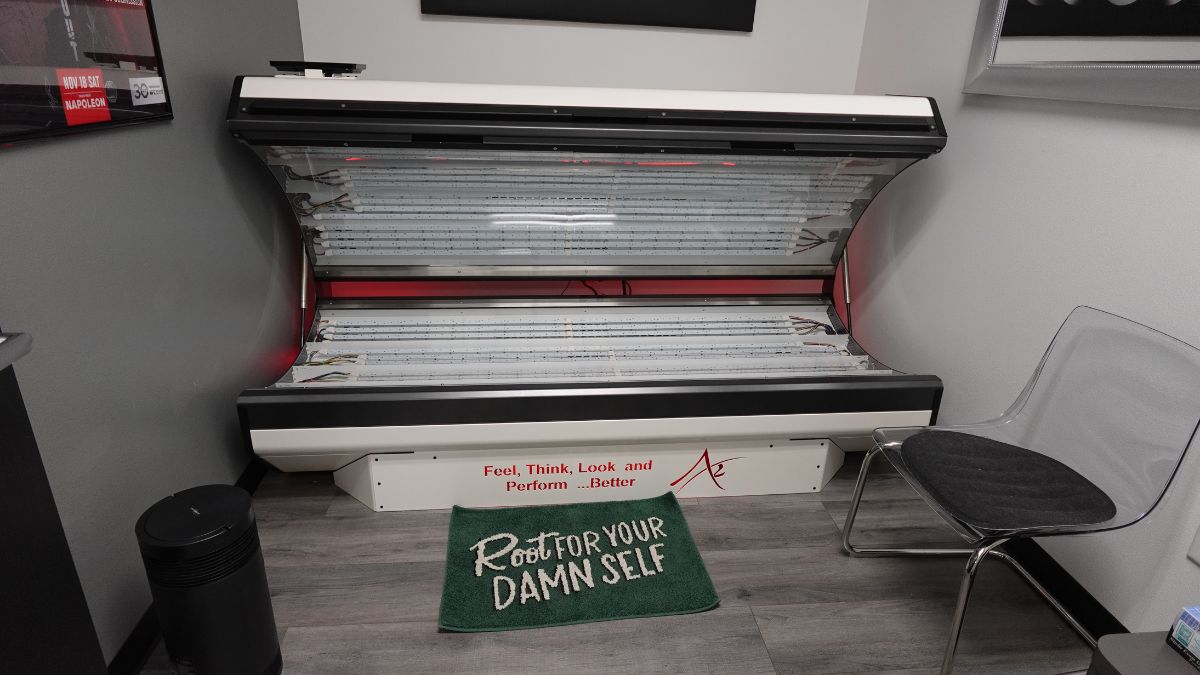
A red light therapy bed is designed to expose a large portion of the body to light during the same session.
The setup is similar in shape to a bed, but instead of ultraviolet tanning light, the equipment uses selected red and near-infrared wavelengths according to the device design.
Full-body systems such as ARRC LED light therapy can provide consistent exposure across larger surface areas without requiring a device to be repositioned repeatedly.
This can make full-body treatment practical when several areas are part of the same wellness or recovery goal.
A full-body system is primarily about coverage, allowing more of the body to receive light during one treatment period.
This broad exposure is one reason people searching for a red light therapy bed may prefer it over a smaller device when they are interested in overall skin support, physical recovery, or a more general wellness routine.
What Is Targeted Light Therapy?
Targeted light therapy focuses light on a smaller, selected area rather than providing broad exposure across the body.
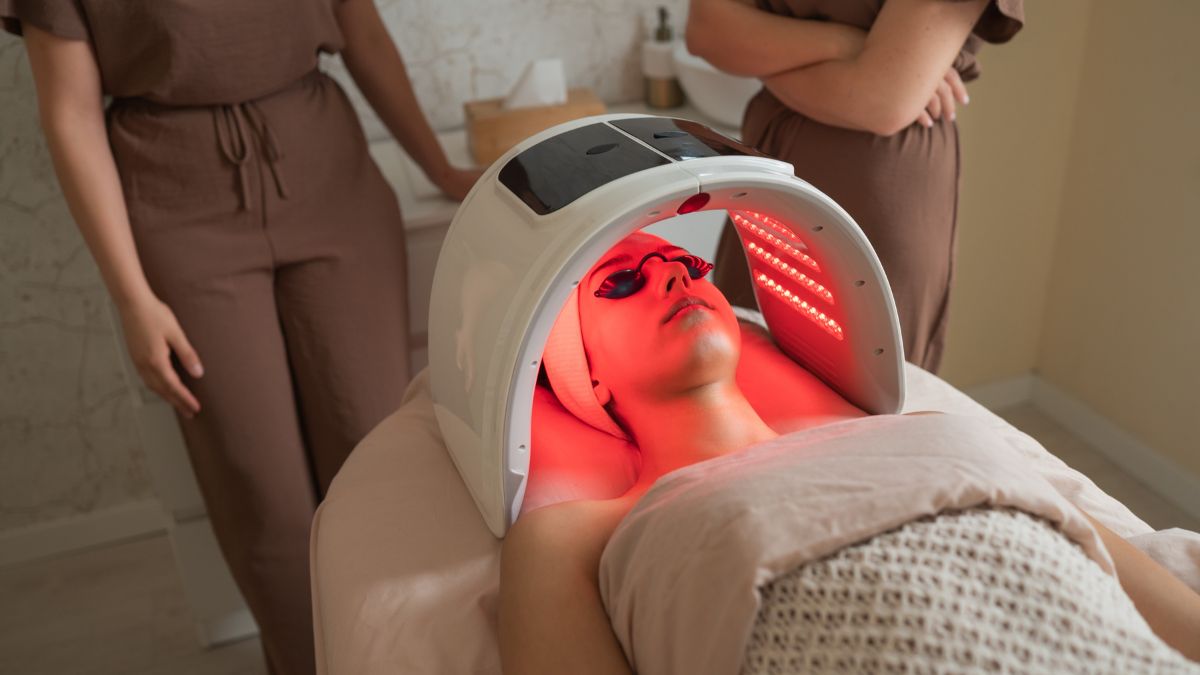
The device can be positioned according to the location being addressed, allowing the session to concentrate on one particular treatment area.
This can be useful when the goal is highly specific. Someone focused primarily on one joint, muscle group, area of skin, or other localized concern may not need full-body exposure during every session.
Targeted treatment makes it possible to concentrate light exposure where it is most relevant instead of treating a much larger surface area.
Full-body and localized options are both part of a broader range of light and frequency therapies, with the appropriate approach depending on the area and goal being addressed.
How Does Red Light Therapy Work?
Red light therapy is a form of photobiomodulation, which involves exposing tissue to specific wavelengths of light.
Red and near-infrared wavelengths can be absorbed by light-sensitive structures within cells, where they may influence processes connected to cellular activity and energy production.
The exact response can depend on several factors, including wavelength, treatment distance, intensity, duration, frequency, and the tissue being exposed.
Because devices and protocols vary, red light therapy should not be treated as though every system delivers an identical dose or produces identical results.
The effectiveness of a light therapy session depends on more than simply whether the device produces red light.
Full-body and targeted devices can use similar principles while delivering light across very different treatment areas.
When Does Full-Body Light Exposure Make More Sense?
A full-body red light bed may make more sense when a person’s goals involve several areas rather than one isolated location.
For example, someone with a physically demanding exercise routine may want broad exposure instead of moving a smaller device from the legs to the back, shoulders, and other areas individually.
Broad coverage can also be useful for people who include light therapy in a larger wellness routine. Instead of deciding on one small treatment location, much of the body can receive light during the same session.
Full-body exposure can be especially practical when the treatment goal is not limited to one small area.
This does not necessarily make a red light bed better for every person. It simply provides a different type of coverage that can be more efficient for broad treatment goals.
When Is Targeted Light Therapy a Better Fit?
Targeted light therapy can be a better fit when there is one clear area of interest.
Someone may want to concentrate a session around a particular joint after physical activity, a muscle group that receives repeated use, or an area of skin that is the primary focus.
Because the treatment area is smaller, positioning can be adjusted around the location being addressed. This provides a more focused approach without exposing areas that are unrelated to the person’s current goal.
Localized treatment is useful when precision matters more than covering as much of the body as possible.
For some people, targeted treatment may be the primary approach. Others may use it when one area needs additional attention alongside a broader wellness routine.
Red Light Therapy Bed for Exercise and Physical Recovery
Red light therapy has gained attention among active adults and athletes because photobiomodulation has been studied in relation to exercise, muscle function, soreness, and recovery.
Research in these areas continues to develop, and results can depend on the treatment protocol and type of activity involved.
A full-body bed can be convenient when exercise places stress on several muscle groups at once. After a full-body workout, for example, broad exposure may be more practical than treating each muscle group separately.
The main advantage of a full-body bed for active people is the ability to address multiple areas within one light therapy session.
Light therapy should still be viewed as one part of recovery. Other approaches, including PEMF therapy, may also be incorporated into broader recovery routines depending on individual goals.
Targeted Light Therapy for Specific Muscles and Joints
Not every recovery goal involves the entire body. Repetitive activity, sports, exercise, work, or everyday movement may place more demand on one particular area than others.
Targeted light therapy can concentrate treatment around that location. This can make it useful for people whose recovery routine is centered on a particular muscle group or joint rather than widespread physical fatigue.
A localized approach can make more sense when one area consistently receives greater physical stress than the rest of the body.
However, pain that is severe, persistent, worsening, or associated with an injury should be properly evaluated rather than relying on light therapy to determine what is causing the problem.
Full-Body Red Light Therapy for Skin Wellness
Red light therapy is also widely studied for its effects on skin. Photobiomodulation research has examined processes involving collagen, skin appearance, inflammation, wound-related mechanisms, and other aspects of tissue function.
A full-body red light bed provides a different approach from a facial-only or small targeted device because a much larger amount of skin can be exposed during the same session.
This may appeal to someone whose skin wellness goals extend beyond the face or one small location.
Full-body treatment provides broader skin exposure, but individual results still depend on the device, treatment protocol, consistency, and personal response.
Red light therapy should not be presented as a guaranteed way to remove wrinkles, reverse aging, or correct every skin concern. Expectations should remain realistic.
Is Targeted Light Therapy Better for the Face?
Someone whose main interest is facial skin may prefer targeted treatment because the light can be concentrated around the specific area being addressed. There may be little reason to choose broad full-body exposure if the person’s only goal involves the face.
Targeted equipment can also make it easier to build a session around a smaller skin area. The appropriate approach depends on the device and the reason the person is using light therapy.
A full-body treatment is not automatically necessary when the goal is limited to one specific area of skin.
On the other hand, someone interested in both facial skin and broader body exposure may find a full-body system better aligned with their overall goals.
Can Full-Body and Targeted Light Therapy Be Used Together?
Full-body and targeted light therapy do not necessarily have to be treated as competing options. They provide different coverage, which means they can sometimes serve different purposes within the same overall routine.
A person might use broad exposure when several areas are involved and a localized approach when one particular area becomes the priority.
The appropriate frequency and combination depend on the equipment, treatment protocol, and individual goals.
Choosing between full-body and targeted light therapy does not always mean that one option must completely replace the other.
Different technologies may also be combined as part of a larger wellness approach. Comparing advanced wellness therapies can help explain how light-based and other recovery technologies differ in their methods and intended uses.
Does a Larger Treatment Area Mean Better Results?
A larger treatment area does not automatically mean better results. Full-body coverage is valuable when broader exposure is useful, but treating additional areas does not necessarily improve the response of one specific location.
Targeted treatment can be more appropriate when the goal is concentrated.
Factors such as wavelength, light intensity, treatment duration, positioning, frequency, and individual response can matter as much as the overall size of the treatment area.
More coverage and better treatment are not the same thing because the right approach depends on what the session is intended to address.
This is why comparing a red light therapy bed with targeted therapy should focus on goals and coverage instead of assuming the larger device is automatically superior.
How Often Is Red Light Therapy Used?
Red light therapy is often used as a repeated treatment rather than a one-time session, but there is no universal schedule that applies to every device and every goal.
Treatment frequency can vary according to the equipment, light dose, area being treated, and reason for using therapy.
Consistency may be important because many of the biological processes studied with photobiomodulation occur over time. However, more frequent exposure does not automatically produce faster or better results.
A red light therapy schedule should be based on the treatment protocol rather than the assumption that more sessions always create greater benefits.
This applies to both full-body beds and targeted devices. Each should be used according to the specifications and treatment approach appropriate for that system.
What Should You Look for in a Red Light Therapy Bed?
People searching for a red light therapy bed near me or red light bed near me may find many different devices and businesses. The appearance of a device alone does not explain its wavelengths, intensity, treatment coverage, or intended use.
It can be helpful to understand whether the equipment provides red light, near-infrared light, or multiple wavelengths, as well as how much of the body is exposed during treatment.
Session protocols and the type of equipment being used can also differ significantly between providers.
A professional light therapy setup should be evaluated by the technology and treatment approach rather than simply by the size or appearance of the device.
Understanding these differences can make it easier to compare full-body beds with smaller panels and other targeted systems.
Which Type of Light Therapy Is Right for Your Goals?
The choice between a full-body red light bed and targeted light therapy ultimately depends on what areas a person wants to address.
Broad wellness, multiple muscle groups, larger skin areas, and whole-body recovery routines may make a full-body system more practical.
A specific joint, muscle group, facial area, or other localized concern may make targeted therapy the more direct option. Some people may also have goals that make both approaches useful at different times.
Full-body red light therapy is best understood as a broad-coverage option, while targeted light therapy provides a more focused approach to a selected area.
Neither format needs to be considered universally better. Matching the treatment area, device, wavelength, and session approach to the intended goal provides a more useful way to decide between them.