

Leg soreness can happen after exercise, long periods of standing, travel, or other activities that put extra demand on the lower body. Compression therapy offers a passive way to support tired legs while the body rests and recovers.
This article goes over does compression therapy help with leg soreness and how it may support circulation, swelling, recovery, fatigue, and fluid movement.
How Does Compression Therapy Help With Leg Soreness?
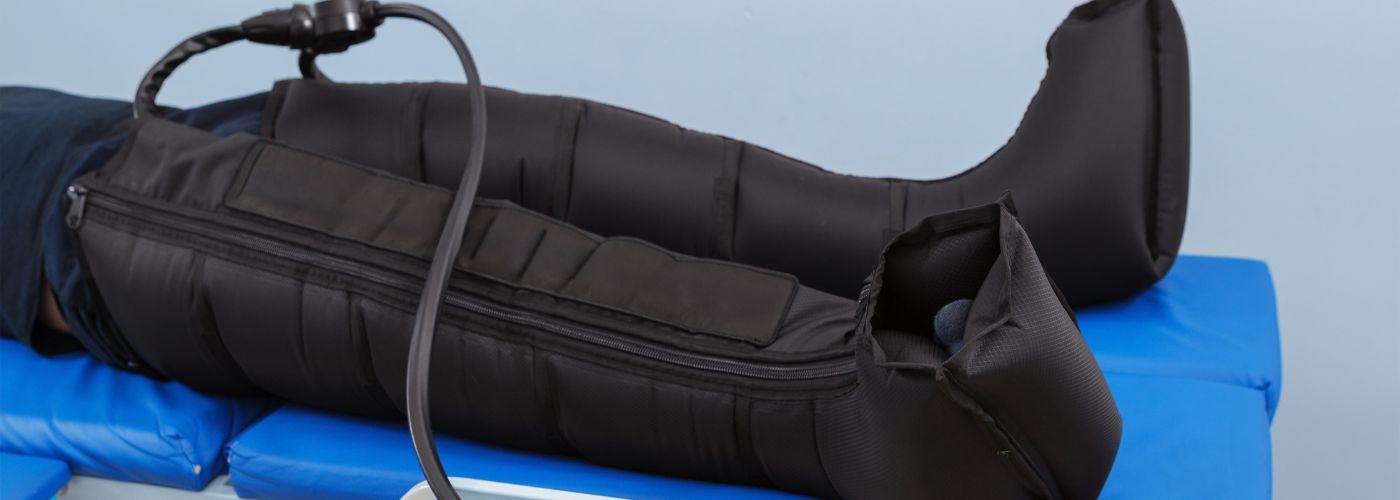
When asking does compression therapy help with leg soreness, it helps to understand how the treatment works. Pneumatic compression systems use sleeves or boots that apply controlled pressure to the legs.
The pressure increases and releases in a sequence, creating a gentle squeezing sensation while the person remains seated or lying down.
Leg soreness can have several causes. Muscles may feel tender after a difficult workout, while long periods of sitting or standing can leave the legs feeling heavy and tired.
The main goal is to support tired legs during recovery without adding physical stress. A session of compression therapy can be used as part of a routine that also includes rest, hydration, nutrition, and appropriate movement.
Compression should not be expected to address every possible cause of leg discomfort. Sharp pain, severe swelling, numbness, unexplained symptoms, or soreness that continues to worsen may require professional evaluation rather than relying on a recovery treatment alone.
Supports Healthy Blood Circulation in the Legs
One reason people ask does compression therapy help with leg soreness is the connection between compression and circulation. Blood constantly travels through the legs to supply tissues with oxygen and nutrients before returning toward the heart.
During a pneumatic compression session, pressure is applied around the legs in a controlled pattern that supports normal blood flow.
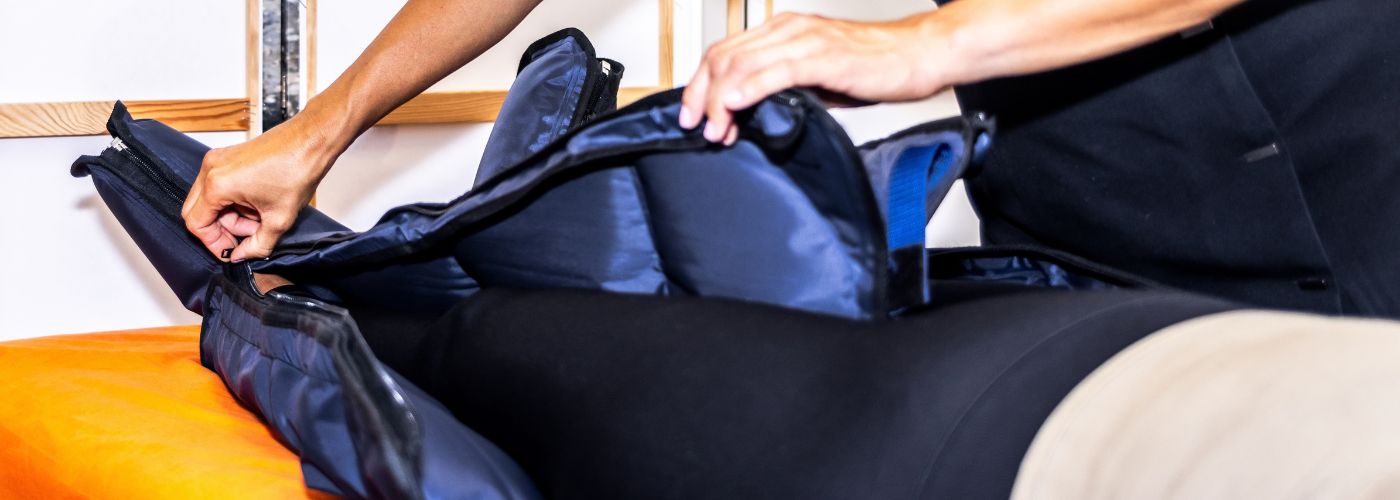
Healthy circulation is an important part of the body’s normal recovery process because working tissues depend on a steady supply of oxygen and nutrients.
The sequential pressure can also create a gentle massaging sensation around tired areas without requiring active movement. This can be especially appealing after a demanding lower body workout or a long day spent on your feet.
People who exercise regularly may also use compression as one part of their routine between training sessions. This is one reason athletes may use compression after activities that place repeated stress on the legs.
Giving the body enough time and support to recover can make it easier to return to normal activity without adding unnecessary strain.
Helps Reduce Temporary Swelling After Activity
Another part of understanding does compression therapy help with leg soreness involves temporary swelling. After strenuous activity, a long day of standing, or extended periods of sitting, some people notice that their lower legs feel slightly full, puffy, or tight. Fluid can collect in the lower extremities and contribute to pressure or discomfort.
Pneumatic compression applies pressure in a sequence that encourages fluid to move through the legs rather than staying concentrated in one area.
Reducing the feeling of fullness around tired legs may make normal walking and gentle movement feel more comfortable during recovery. This can be particularly helpful when soreness is accompanied by a general feeling of tightness after physical activity.
Temporary swelling after activity should not be confused with significant or unexplained swelling. Sudden swelling, especially if it affects only one leg or occurs with pain, redness, warmth, chest pain, or trouble breathing, requires medical attention. Don’t use compression to mask symptoms that could be linked to an injury or medical condition.
Promotes Recovery Following Physical Exercise
Exercise creates temporary physical stress that the body needs time to recover from. Challenging strength training, running, cycling, sports, and unfamiliar exercises can leave the muscles feeling tender or stiff.
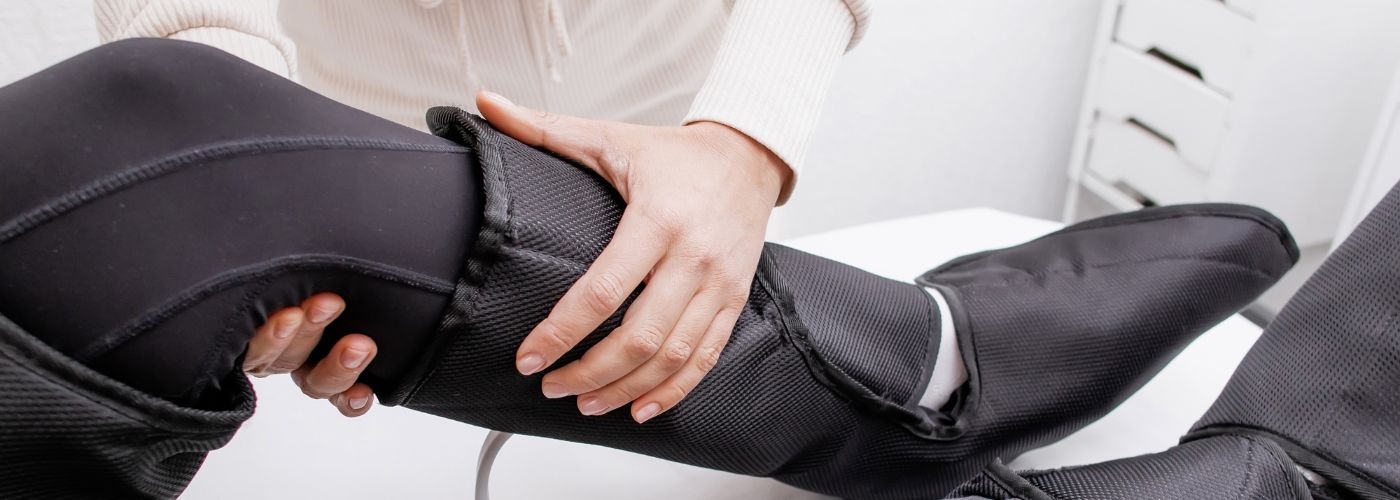
When considering does compression therapy help with leg soreness, post exercise recovery is one of the main reasons someone may consider adding compression to their routine.
Compression supports the legs while they rest. Because the person doesn’t need to stretch aggressively or do another exercise, the session doesn’t add a demanding physical workload.
This can help when the goal is to relax after training and give tired muscles time to settle.
Compression works best as a supportive recovery method, not a replacement for the basic habits that help muscles recover from exercise. Sleep, nutrition, hydration, and enough time between hard workouts still matter.
Athletes sometimes combine several recovery methods depending on their needs, and options such as hyperbaric oxygen therapy for athletes work differently from compression and should be considered separately based on individual goals.
Relieves Feelings of Heaviness and Fatigue
Leg soreness doesn’t always feel like sharp or specific pain. Sometimes the main complaint is that the legs feel heavy, sluggish, or generally tired. This can happen after exercise, after standing for many hours, after walking long distances, or after sitting during a long flight or road trip.
For someone wondering does compression therapy help with leg soreness, this feeling of heaviness can be an important part of the overall experience.
The repeated pressure and release of pneumatic compression can create a soothing sensation around fatigued muscles. People can stay relaxed throughout the process, allowing their legs to receive support without extra effort.
A passive recovery session can help when the legs already feel too tired for more demanding movement.
Rest doesn’t always mean doing nothing for recovery. Some people include gentle wellness treatments during periods when they want to relax without putting more strain on their muscles.
For example, spending time on an Align Mat is another passive option available for people who want to rest while supporting their broader wellness routine.
Encourages Fluid Movement Through the Legs
Fluid movement is another important part of the question does compression therapy help with leg soreness. The lower body can sometimes feel tight or heavy when fluid remains in the legs after long periods of limited movement or demanding physical activity.
Compression sleeves apply pressure in stages, which can encourage normal fluid movement through the lower body.
The gradual squeezing-and-releasing pattern supports movement through the legs while allowing the person to remain completely at rest. This can be useful after workouts, travel, or long periods spent standing.
When tightness and heaviness are linked to normal physical activity, supporting circulation and fluid movement can be a useful part of recovery.
Recovery needs can vary based on activity level, training schedule, sleep, hydration, and the amount of physical stress placed on the body.
Someone who regularly exercises may approach recovery differently from someone dealing with occasional tired legs after travel or work.
Other wellness approaches may also focus on circulation in different ways, including treatments discussed in this article about how AVACEN therapy works.
Compression therapy can be a useful addition to a balanced routine when leg soreness is related to ordinary activity, exercise, or temporary fatigue. It is not intended to diagnose or treat every cause of leg pain, and unusual or persistent symptoms deserve proper attention.
Used appropriately, compression provides a simple and passive way to support circulation, fluid movement, comfort, and recovery while giving tired legs time to rest.