

Diabetic foot ulcers can be difficult to heal, especially when poor circulation, nerve damage, or infection affects the injured area. For certain serious wounds that do not improve with standard treatment, hyperbaric oxygen therapy (HBOT) may be considered as an additional medical treatment.
However, not every diabetic foot ulcer qualifies for this approach, and results depend on several important factors. This article explains how HBOT for diabetic foot ulcers works, what clinical evidence shows, and how doctors determine patient eligibility.
HBOT for Diabetic Foot Ulcers: How It Supports Wound Healing
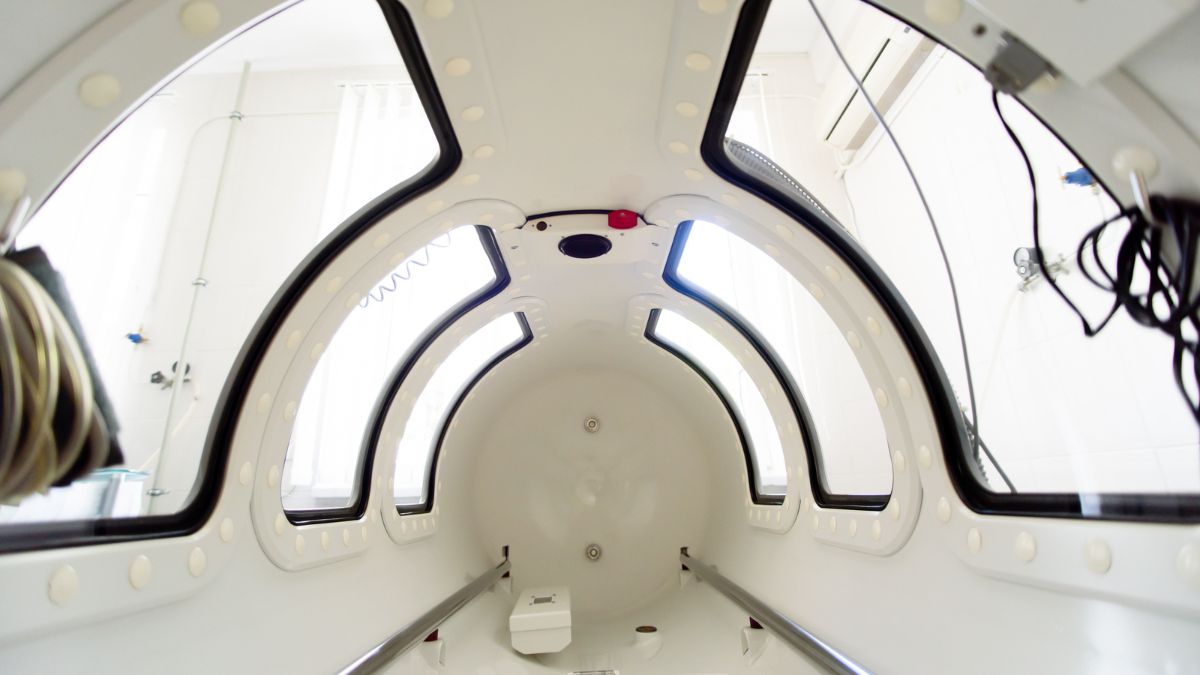
Hyperbaric oxygen therapy involves breathing medical-grade oxygen inside a pressurized chamber. Under increased atmospheric pressure, more oxygen dissolves into the blood plasma, allowing additional oxygen to reach tissues where circulation and healing may be impaired.
For selected patients with serious diabetic foot wounds, this increased oxygen availability may help support tissue repair, new blood vessel formation, and certain infection-fighting processes.
However, treatment effectiveness depends on wound severity, blood circulation, infection management, and the patient’s overall health.
Hyperbaric oxygen therapy is an additional treatment for certain nonhealing diabetic foot ulcers, not a replacement for standard wound care. Clinicians generally consider it when appropriate conventional treatment has not produced sufficient improvement.
Understanding the broader role of hyperbaric oxygen therapy helps explain why it may be included in a medically supervised wound treatment plan.
Why Diabetic Foot Ulcers Can Be Difficult to Heal
Diabetes can interfere with several processes involved in normal wound healing. Over time, high blood sugar can damage nerves and blood vessels, making it harder for the body to detect injuries and deliver the oxygen and nutrients needed for tissue repair.
Diabetic neuropathy, a form of nerve damage, may reduce sensation in the feet. As a result, someone may develop a blister, cut, or pressure-related injury without noticing it right away.
Continued walking or pressure on the affected area can make the wound worse over time.

Poor circulation presents another challenge. When blood flow is reduced, injured tissues may receive less oxygen, and the body’s ability to fight infection and repair damaged structures may be compromised.
Successful diabetic foot ulcer treatment requires addressing the underlying problems that prevent the wound from healing.
Managing blood sugar, relieving pressure, treating infections, and evaluating circulation remain essential, whether or not you consider HBOT.
How Hyperbaric Oxygen Therapy Helps Damaged Tissue
Oxygen plays an important role in wound healing because cells need it to produce energy, build new tissue, and carry out normal repair processes.
When oxygen delivery is limited, these activities may become less efficient, particularly in wounds affected by diabetes and poor circulation.
During HBOT, increased pressure allows more oxygen to dissolve directly into blood plasma. This can temporarily raise oxygen levels in tissues that still have sufficient blood flow to receive it.
Higher tissue oxygen levels may support collagen production, certain immune cell activity, and the formation of small blood vessels.
These processes are important when damaged tissue needs to rebuild and defend itself against infection.
HBOT may improve the healing environment in selected diabetic wounds by increasing the oxygen available to damaged tissues.
However, it cannot reliably overcome severe untreated arterial blockage or eliminate the need for infection treatment, wound dressings, and other medical interventions.
The relationship between oxygen delivery and tissue repair is also discussed in HBOT after surgery, although the evidence and eligibility requirements for surgical recovery differ from those for diabetic foot ulcers.
What Research Says About HBOT for Diabetic Foot Ulcers
Hyperbaric oxygen therapy has an established clinical role as an additional treatment for certain serious diabetic foot ulcers. However, findings vary by wound severity, patient selection, study methods, and the type of wound care provided alongside treatment.
Some clinical studies and evidence reviews suggest that HBOT can improve healing outcomes in selected patients with difficult-to-heal diabetic foot wounds.
Other studies have found less consistent results, particularly when examining whether treatment prevents major amputations over the long term.
The Undersea and Hyperbaric Medical Society has issued conditional recommendations supporting HBOT for certain Wagner grade 3 or higher diabetic foot ulcers that have not significantly improved after at least 30 days of appropriate treatment.
Its guidance also addresses selected patients who have undergone surgery for severe infected diabetic foot wounds.
Current clinical guidance supports considering HBOT for carefully selected serious diabetic foot ulcers rather than using it routinely for every diabetic wound.
The decision should reflect wound severity, the response to conventional care, and a physician’s assessment of potential benefits and risks.
Patients should also understand that a recognized medical use does not guarantee successful healing. Treatment outcomes depend on the wound’s underlying condition and the quality of the complete care plan.
Which Diabetic Foot Ulcers May Qualify for HBOT?
Patient eligibility is one of the most important considerations when evaluating HBOT for diabetic foot ulcers. Doctors assess the wound’s depth, severity, duration, infection status, and response to previous treatment before determining whether additional therapy is appropriate.
Medicare’s national coverage criteria for diabetic lower-extremity wounds require three conditions.
The patient must have type 1 or type 2 diabetes with a wound caused by diabetes, the wound must be classified as Wagner grade 3 or higher, and the wound must have failed an adequate course of standard wound treatment.
For this coverage category, standard care must have continued for at least 30 days without measurable signs of healing. HBOT must also be provided alongside ongoing conventional wound management.
Having diabetes or a slow-healing foot wound does not automatically make someone eligible for hyperbaric oxygen therapy.
A medical professional must determine whether the wound meets appropriate clinical criteria and whether the patient can safely undergo treatment.
Medicare coverage requirements differ from each private insurer’s policy, and medical eligibility does not automatically mean insurance approval.
Understanding Wagner Grades for Diabetic Foot Wounds
The Wagner classification system helps medical professionals describe the severity of diabetic foot ulcers. It considers how deeply a wound extends and whether serious tissue damage, infection, or gangrene is present.
Grade 0 generally describes a foot at risk without an open ulcer. Grade 1 involves a superficial ulcer, while grade 2 indicates a deeper wound that may extend toward structures such as tendons or joints.
Grade 3 typically involves a deep wound complicated by an abscess, osteomyelitis, or another serious infection. Grade 4 describes localized gangrene affecting part of the foot, while grade 5 involves extensive gangrene.
These classifications help guide treatment decisions, but wound depth alone does not provide a complete picture. Doctors must also evaluate circulation, infection, pressure-related damage, and the patient’s ability to heal.
HBOT is generally considered for selected Wagner grade 3 or higher diabetic foot ulcers, particularly when appropriate conventional treatment has not produced sufficient healing.
Clinicians must determine the Wagner grade through a clinical examination rather than the patient’s visual assessment of the wound.
Lower-grade wounds usually require appropriate standard care rather than routine hyperbaric treatment.
Why Standard Wound Care Must Continue During HBOT
Hyperbaric oxygen therapy addresses only part of the complex healing process. Even when additional oxygen reaches damaged tissue, an ulcer may remain open if pressure, infection, uncontrolled blood sugar, or poor circulation continues to interfere with recovery.
Standard diabetic wound care commonly includes appropriate dressings, removal of unhealthy tissue when necessary, infection treatment, glucose management, and evaluation of the blood supply to the affected foot.

Off-loading is another important part of treatment. This involves reducing pressure on the injured area through medically selected footwear, casts, or other devices.
Without adequate pressure relief, repeated stress can prevent fragile new tissue from developing.
HBOT works as part of a comprehensive wound care plan, and the treatments addressing infection, circulation, and pressure remain essential. A wound care specialist may coordinate several approaches depending on the patient’s condition.
For patients who need more information about treatment precautions, understanding hyperbaric oxygen therapy safety can clarify why screening and professional supervision matter.
What Happens Before Starting HBOT for a Diabetic Foot Ulcer?
Before HBOT is considered, a physician or wound care specialist must evaluate the wound and the patient’s medical history.
This assessment helps determine whether hyperbaric treatment is appropriate and whether other medical problems need attention first.
The evaluation may include measuring the wound, checking for signs of infection, reviewing blood sugar management, and assessing circulation. Depending on the findings, additional imaging or vascular testing may be needed.
The care team may also review medications, lung conditions, ear or sinus problems, and other factors that could affect safety during pressurized oxygen treatment. An untreated pneumothorax, for example, is a contraindication to HBOT.
Patients should expect their provider to explain why the treatment is being considered, what outcomes will be monitored, and how it fits into the existing wound care plan.
A thorough medical assessment helps identify patients who may benefit from HBOT while reducing the risk of inappropriate or unnecessary treatment.
If circulation is severely impaired or an infection requires urgent intervention, those problems may need to be addressed before additional therapy can proceed.
How Many HBOT Sessions Are Needed for Diabetic Foot Ulcers?
The number of hyperbaric oxygen therapy sessions depends on the wound’s severity, the patient’s response, and the physician’s treatment plan.
Serious diabetic foot ulcers generally require a structured medical treatment course rather than occasional wellness sessions.
Clinical protocols for qualifying diabetic wounds commonly involve treatments on multiple days each week over several weeks.
Medical HBOT protocols often use pressures around 2.0 to 2.4 atmospheres absolute, although the exact treatment settings and duration depend on the clinical indication.
Providers assess wound healing throughout the treatment course. Providers may monitor wound dimensions, tissue appearance, infection status, and other measurable changes to determine whether to continue therapy.
Under Medicare’s national coverage policy, diabetic wounds receiving HBOT must be evaluated at least every 30 days, and continued coverage requires measurable healing progress at each evaluation.
Medical necessity and documented wound progress determine the appropriate number of HBOT sessions, not a fixed package or general wellness schedule.
Patients should follow the treatment frequency recommended by their qualified medical team.
Those unfamiliar with the chamber experience may find it helpful to understand how a hyperbaric chamber works before discussing a possible treatment course.
Risks and Limitations of HBOT for Diabetic Wounds
Although HBOT can be appropriate for selected patients, it is not risk-free. The pressure changes involved in treatment can cause ear discomfort, sinus pressure, or difficulty equalizing pressure, particularly in individuals with certain ear or respiratory conditions.
Other possible effects include temporary vision changes and changes in blood glucose during treatment. More serious complications, such as oxygen-related seizures or lung pressure injuries, are uncommon but possible.
Patients with diabetes may need blood glucose monitoring around sessions, especially if they use insulin or other medications that can cause low blood sugar. The supervising medical team determines the appropriate precautions.
Another limitation is that HBOT cannot guarantee wound closure or prevent every amputation. Some ulcers require vascular procedures, surgery, or other specialized interventions regardless of the oxygen treatment provided.
Weigh the potential benefits of HBOT against its risks, treatment demands, and the patient’s individual medical condition.
This is why appropriate clinical supervision and ongoing wound assessment are necessary throughout treatment.
When to Seek Medical Attention for a Diabetic Foot Ulcer
Anyone with diabetes who develops an open foot wound should seek timely medical evaluation. Reduced sensation can make an injury seem less serious than it actually is, and waiting for pain to develop may delay necessary treatment.
Warning signs include increasing redness, swelling, drainage, an unpleasant odor, or changes in the surrounding skin.
Blackened tissue, rapidly spreading discoloration, or a wound that becomes deeper can indicate more serious complications.
Fever, rapidly spreading redness, severe swelling, or other signs of systemic illness require urgent medical attention. These symptoms may indicate an infection that needs prompt treatment rather than waiting for an HBOT consultation.
Even without obvious infection, a wound that does not improve should be assessed by a qualified healthcare professional. Early evaluation can help identify circulation problems, pressure-related injury, and other factors affecting healing.
Prompt medical care is essential because serious diabetic foot infections and circulation problems can threaten both the affected limb and overall health.
HBOT should never delay emergency care, infection treatment, or necessary surgical evaluation.
Is HBOT the Right Option for a Nonhealing Diabetic Foot Ulcer?
The decision to use HBOT for a diabetic foot ulcer depends on much more than how long the wound has been present.
A physician must consider wound classification, infection, circulation, previous treatment, and whether the patient meets recognized clinical criteria.
For selected serious wounds that have not responded to appropriate care, HBOT may provide an additional way to support tissue oxygenation and healing.
However, less severe wounds or ulcers that are improving with conventional treatment may not require it.
Patients considering this option should discuss their wound history with a qualified wound care specialist and ask whether a medical hyperbaric treatment program is appropriate.
They should also confirm whether the facility provides the necessary clinical oversight and treatment protocol for their condition.
The most important step is obtaining an accurate wound assessment and an individualized treatment plan from qualified medical professionals.
For eligible patients, hyperbaric oxygen therapy may be considered as one component of that broader approach to diabetic wound healing.