

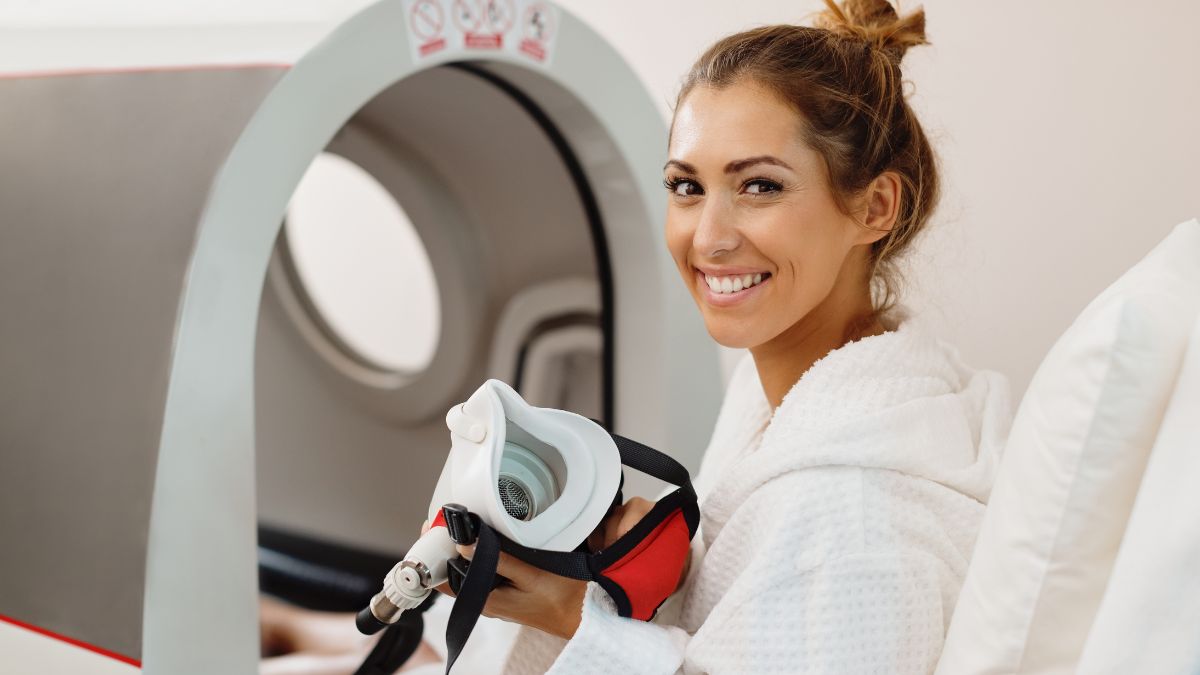
A hyperbaric chamber is a specialized pressurized environment used to expose the body to higher-than-normal atmospheric pressure while oxygen is delivered according to the treatment setup. Hyperbaric oxygen therapy, often shortened to HBOT, is used in established medical settings and is also discussed in recovery and wellness environments.
This article goes over what a hyperbaric chamber is, how oxygen treatment therapy works, what happens during a session, chamber types, treatment frequency, safety, and other important factors to understand before HBOT.
What Is a Hyperbaric Chamber and How Does It Work?
A hyperbaric chamber is a sealed chamber designed to operate at pressure levels above normal atmospheric pressure.
During hyperbaric oxygen therapy, increased pressure changes how oxygen behaves in the bloodstream and can allow more oxygen to dissolve into blood plasma while treatment is taking place.
Under ordinary conditions, most oxygen travels through the blood by attaching to hemoglobin in red blood cells. Inside a pressurized environment, additional oxygen can become dissolved in plasma, temporarily increasing the amount available for transport throughout the body.
The combination of increased pressure and oxygen is what makes hyperbaric therapy different from simply breathing supplemental oxygen at normal room pressure.
This process is the foundation of hyperbaric oxygen therapy and helps explain why HBOT has been studied for several medical, recovery, and wellness applications.
What Does HBOT Stand For?
HBOT stands for hyperbaric oxygen therapy. The word “hyperbaric” refers to pressure that is higher than the normal atmospheric pressure experienced at sea level. “Oxygen therapy” refers to the controlled use of oxygen during treatment.
The term can sometimes be used loosely online, which is why it is important to understand that not every pressurized chamber delivers the same treatment conditions. Pressure level, oxygen concentration, chamber construction, supervision, and the purpose of treatment can all differ.
Understanding what HBOT actually means makes it easier to compare different chamber types and avoid assuming that every oxygen chamber provides the same exposure.
People interested in the wider physiological effects can also review the benefits of hyperbaric oxygen therapy and how increased oxygen availability may relate to different biological processes.
How Does an Oxygen Chamber Increase Oxygen Delivery?
An oxygen chamber works by changing the pressure surrounding the body. As pressure increases, physical principles allow more oxygen to dissolve into the liquid portion of the blood. This increases oxygen availability while the person remains under hyperbaric conditions.
The increased oxygen does not permanently remain in the bloodstream once the treatment is over. Instead, HBOT creates a temporary high-oxygen environment that may influence tissues and biological responses during and after treatment.
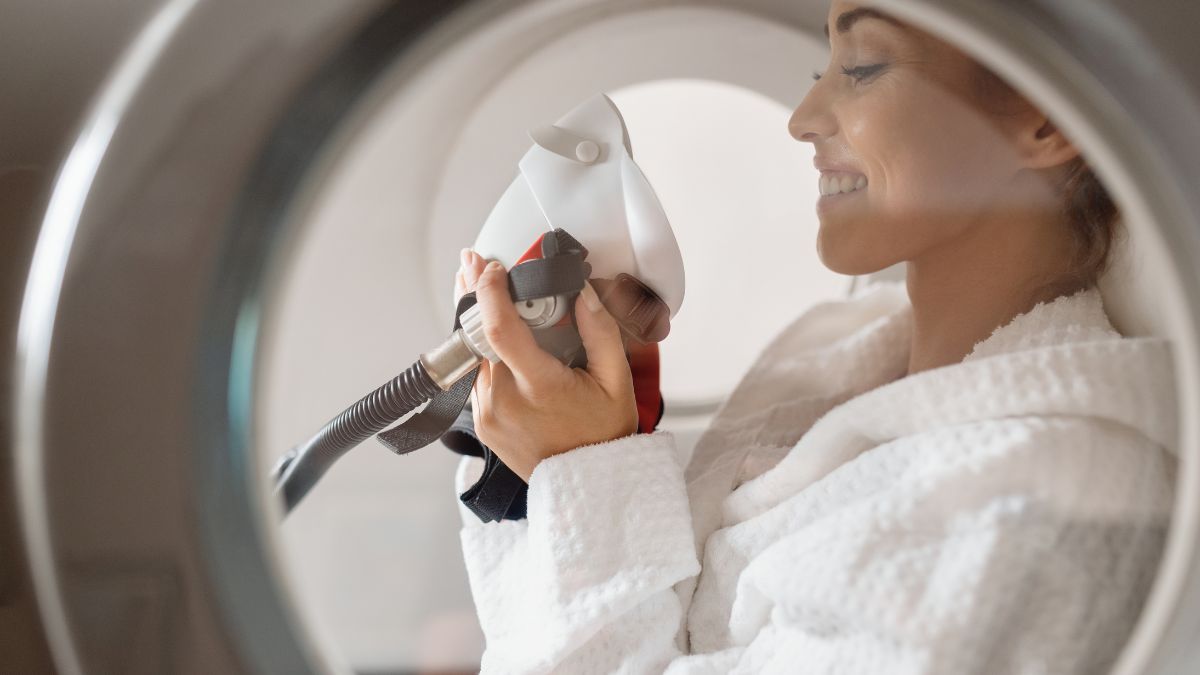
Hyperbaric treatment changes oxygen delivery systemically rather than applying oxygen only to one small area of the body.
This whole-body exposure is one reason HBOT is different from topical oxygen treatments used directly on a wound or from oxygen delivered through a standard nasal cannula at normal pressure.
What Is the Difference Between a Hard and Mild Hyperbaric Chamber?
One of the most important distinctions involves hard-sided and mild or soft-sided chambers. Hard hyperbaric chambers are rigid pressure vessels designed to operate at higher pressures and can be used in clinical hyperbaric treatment settings.
Mild hyperbaric chambers are generally soft-sided or fabric chambers that operate at lower pressure. They are often marketed in wellness settings, but lower-pressure exposure should not automatically be considered equivalent to clinical medical HBOT.
Chamber construction and operating pressure directly affect the type of hyperbaric exposure a person receives.
Most medical centers distinguish clinical hyperbaric oxygen treatment from low-pressure mild hyperbaric exposure and note that lower-pressure fabric chambers do not meet the same standards used for established medical HBOT indications.
What Is a Hard Hyperbaric Chamber?
A hard hyperbaric chamber uses a rigid shell built to safely withstand elevated pressure. These chambers can be designed for one person or several people, depending on the facility and medical application.
Hard chambers are commonly associated with medical HBOT because they can operate at pressures used in recognized hyperbaric treatment protocols. The amount of oxygen delivered, pressure level, and session duration are controlled according to the treatment plan.
A hard chamber allows treatment conditions to be managed more precisely than a low-pressure fabric chamber designed for mild hyperbaric exposure.
However, the fact that a chamber is hard-sided does not by itself determine whether a particular treatment is medically appropriate. Screening, treatment indication, protocol, and professional oversight remain important.
What Is a Mild Hyperbaric Chamber?
A mild hyperbaric chamber is usually a flexible fabric chamber that operates at a lower pressure than chambers commonly used for clinical HBOT. These chambers are sometimes called soft chambers or portable hyperbaric chambers.
Because the pressure and oxygen conditions can be different, mild hyperbaric treatment should not be assumed to provide the same physiological exposure as traditional medical hyperbaric oxygen therapy. This is especially important when evaluating claims related to treating medical conditions.
Lower-pressure exposure and clinical HBOT are not interchangeable simply because both take place inside a pressurized chamber.
Anyone comparing chamber types should pay attention to the actual pressure, oxygen delivery method, equipment standards, and purpose of treatment rather than relying only on the word “hyperbaric.”
What Happens During a Hyperbaric Oxygen Therapy Session?
A hyperbaric oxygen therapy session usually begins with the person entering the chamber and getting into a comfortable resting position. The pressure is then gradually increased rather than changing instantly.
Once the planned pressure is reached, the chamber remains at that treatment level for the prescribed or planned period. At the end of the session, pressure is gradually reduced until the chamber returns to normal atmospheric conditions.
The session itself is generally passive, meaning the person rests while the chamber creates the treatment environment.
This is different from physical recovery treatments that require movement, exercise, stretching, or hands-on manipulation.
What Does a Hyperbaric Chamber Feel Like?
One of the most noticeable parts of entering a hyperbaric chamber is the change in pressure. The ears may feel full or need to “pop,” similar to what can happen during an airplane flight, driving through mountains, or changing altitude.
Swallowing, yawning, or other pressure-equalizing techniques may help some people adjust as the chamber pressurizes. Once treatment pressure is reached, the sensation of changing pressure usually becomes less noticeable.
The pressure change in the ears is often more noticeable than the increased oxygen itself.
Comfort can vary from person to person, and someone who has trouble equalizing pressure should tell the treatment provider rather than trying to ignore discomfort.
Can You Feel the Extra Oxygen During HBOT?
People sometimes expect breathing more oxygen to create an immediate physical sensation. In most cases, the oxygen itself does not produce an obvious feeling that can be separated from the rest of the hyperbaric experience.
The main noticeable changes are more likely to involve pressure, the confined treatment environment, temperature, or the gradual pressurization and depressurization process.
HBOT works through changes in pressure and oxygen availability even if a person does not physically feel oxygen moving through the bloodstream.
How someone feels after a session can also vary, which is why individual experiences should not be treated as proof of a specific biological result.
How Long Is a Hyperbaric Oxygen Therapy Session?
Hyperbaric oxygen therapy sessions can vary in length depending on the treatment purpose and protocol. Clinical treatment times are often determined by the medical condition, pressure used, oxygen exposure, and other factors.
Time inside the chamber may also include gradual pressurization and depressurization in addition to the period spent at treatment pressure. This means the entire visit may take longer than the main oxygen exposure itself.
Session duration should be based on the treatment protocol rather than the assumption that spending more time inside the chamber automatically produces better results.
This is another reason treatment schedules can vary between people even when both are using HBOT.
How Often Should You Do Hyperbaric Oxygen Therapy?
People frequently ask how often should you do hyperbaric oxygen therapy, but there is no single schedule that applies to every reason for treatment. Medical HBOT protocols can involve repeated sessions, while wellness or recovery applications may follow different schedules.
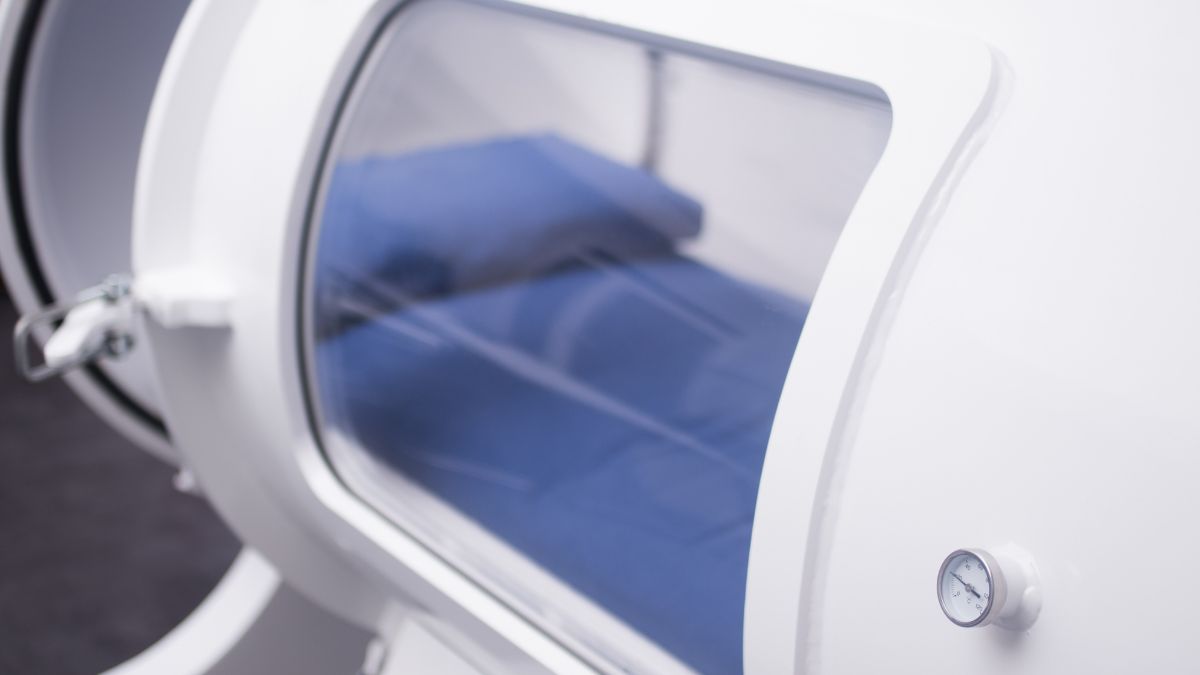
The appropriate frequency can depend on the reason HBOT is being used, chamber pressure, overall treatment plan, health history, and response to previous sessions. A schedule used for one condition should not automatically be copied for another.
Frequency should follow a clear treatment purpose instead of assuming that more frequent exposure always provides greater benefit.
This question is especially important for people considering an extended series of sessions rather than occasional hyperbaric treatment.
Why Are Multiple HBOT Sessions Sometimes Used?
Some biological processes do not happen after a single exposure. For this reason, research and clinical protocols often evaluate repeated treatments over a period of days or weeks rather than expecting one session to create every possible effect associated with HBOT.
The number of sessions can vary widely depending on the indication. Medical wound care, radiation tissue injury, post-surgical recovery, athletic recovery, and wellness goals are different situations and should not share an identical treatment schedule automatically.
A series of sessions is designed around a particular goal, not simply around completing as many treatments as possible.
People considering multiple visits should understand what the sessions are intended to address and how progress will be evaluated.
What Is Hyperbaric Oxygen Therapy Used For?
HBOT has established medical uses as well as a much wider range of applications that continue to be researched. Recognized medical uses include certain serious wounds, decompression sickness, carbon monoxide poisoning, radiation tissue injury, and several other specific conditions.
Outside established indications, hyperbaric therapy is also discussed in areas such as exercise recovery, wellness, healthy aging, skin, and performance. The amount and quality of evidence can be very different between these categories.
Evidence supporting HBOT for one medical condition should not automatically be used to prove that it works for every wellness or recovery goal.
This distinction helps keep discussions about hyperbaric therapy accurate while still allowing newer applications to be studied.
How Is HBOT Used for Wound Healing?
One of the established areas of hyperbaric medicine involves selected difficult-to-heal wounds. Oxygen plays an important role in several processes involved in tissue repair, including cellular energy use, collagen production, and immune activity.
HBOT may be used alongside standard wound treatment in certain qualifying situations. However, a hyperbaric chamber is not appropriate for every cut, surgical incision, or slow-healing wound.
Medical wound care depends on the cause and severity of the wound, not simply on whether oxygen might support tissue repair.
A more detailed guide to hyperbaric oxygen therapy for wound healing explains recognized uses, evidence, and why some wounds need specialized medical care.
Why Do People Consider HBOT After Surgery?
Surgery places physical stress on tissues and can lead to temporary swelling, bruising, inflammation, and a period of repair. This has created interest in whether increased oxygen availability may play a supportive role during certain types of post-operative recovery.
The appropriate timing and suitability of HBOT after a procedure depend on the surgery and the patient’s medical situation.
Hyperbaric therapy should not be added to a recovery plan without considering surgical instructions and possible contraindications.
Post-operative treatment should remain coordinated with the medical professionals responsible for the surgical recovery plan.
More specific information about timing and precautions can be found in the guide to HBOT after surgery.
Can a Hyperbaric Chamber Be Used for Skin and Healthy Aging?
HBOT has also gained attention in research involving skin and aging-related biological processes. Studies have examined areas such as collagen, elastic fibers, blood-vessel changes, and cellular senescence under certain repeated HBOT protocols.
These findings have created interest in hyperbaric therapy for skin rejuvenation and healthy aging, but research remains developing.
A biological change found in a study does not automatically prove that HBOT will reverse aging or make every person’s skin look younger.
Healthy-aging research should be separated from proven medical uses of HBOT so early findings are not turned into guarantees.
People interested in this area can read more about HBOT for skin and healthy aging and what current research suggests.
How Athletes Use Hyperbaric Chambers for Recovery
Athletes and active adults sometimes explore HBOT as part of a recovery routine. Training repeatedly stresses muscles and other tissues, and recovery between sessions can affect how prepared the body is for future physical demands.
Because hyperbaric therapy is passive, it can be considered without adding another exercise load to the body.
However, research does not establish that HBOT automatically improves athletic performance or makes every athlete recover faster.
Hyperbaric treatment should complement basic recovery habits instead of replacing sleep, hydration, nutrition, rest, and appropriate training.
A dedicated guide to HBOT for athletes covers workout recovery, training timing, performance considerations, and how chambers may fit into an athletic routine.
Can HBOT Help With Sports Injury Recovery?
Sports injuries are different from normal exercise fatigue. Sprains, strains, fractures, tendon injuries, and other conditions may require diagnosis, rehabilitation, activity restrictions, or medical care.
HBOT has been studied in different forms of tissue injury because oxygen is involved in repair, but the evidence is not the same for every sports injury.
A person should not assume that entering an oxygen chamber will repair an injured structure or determine when it is safe to return to competition.
Athletes with an actual injury still need an appropriate diagnosis and recovery plan regardless of whether HBOT is being considered.
Hyperbaric therapy may be explored as supportive care in some situations, but it should not replace rehabilitation or medical treatment when those are needed.
Is Hyperbaric Oxygen Therapy Safe?
Hyperbaric oxygen therapy is performed in a controlled pressure environment, which means safety procedures matter. Pressure changes can affect the ears and sinuses, and oxygen exposure also requires proper equipment and treatment protocols.
Certain lung conditions, medications, recent procedures, ear problems, and other medical factors can influence whether someone is an appropriate candidate. This is why screening should take place before treatment begins.
HBOT safety depends not only on the chamber itself but also on proper operation, supervision, screening, maintenance, and adherence to hyperbaric safety procedures.
Additional information about whether hyperbaric oxygen therapy is safe can provide more detail about risks and precautions.
Why Are Certain Items Restricted Inside a Hyperbaric Chamber?
Oxygen-rich and pressurized environments require stricter safety controls than an ordinary room. Certain electronics, fabrics, skin products, batteries, lighters, and other objects may be restricted depending on the chamber and treatment environment.
These rules are designed to reduce fire, static electricity, and equipment risks. The exact preparation requirements can vary, so people should follow the instructions given by the facility operating the chamber.
Items that seem harmless in everyday life can create different safety concerns inside a pressurized oxygen environment.
Proper equipment maintenance, patient monitoring, clothing guidance, and restrictions on potentially unsafe items are all important parts of HBOT safety.
Who Should Be Screened Carefully Before HBOT?
Everyone considering HBOT should be screened, but certain health factors can require additional attention. Lung conditions, ear or sinus problems, recent surgery, medications, and other medical circumstances may affect whether treatment is suitable.
Pressure equalization is also important because the ears and sinuses respond directly to changes in atmospheric pressure. Someone who cannot comfortably equalize may need further evaluation before continuing a session.
Being healthy or physically fit does not automatically mean a person is an appropriate candidate for every hyperbaric protocol.
Screening helps match treatment conditions with individual circumstances rather than treating every person exactly the same.
What Should You Know Before Trying a Hyperbaric Chamber?
Before trying a hyperbaric chamber, it helps to understand what type of chamber is being used, the pressure level, oxygen delivery method, session length, safety procedures, and the reason the treatment is being recommended.
People should also know whether their goal is an established medical use, an area with developing research, or a general wellness application. That distinction can help create more realistic expectations about what a session may accomplish.
A good understanding of the treatment setup, purpose, safety requirements, and evidence makes it easier to evaluate HBOT realistically.
Hyperbaric therapy is more than simply sitting in an oxygen-filled space. Chamber type, pressure, oxygen concentration, protocol, screening, and treatment goal all influence what the experience actually involves.