
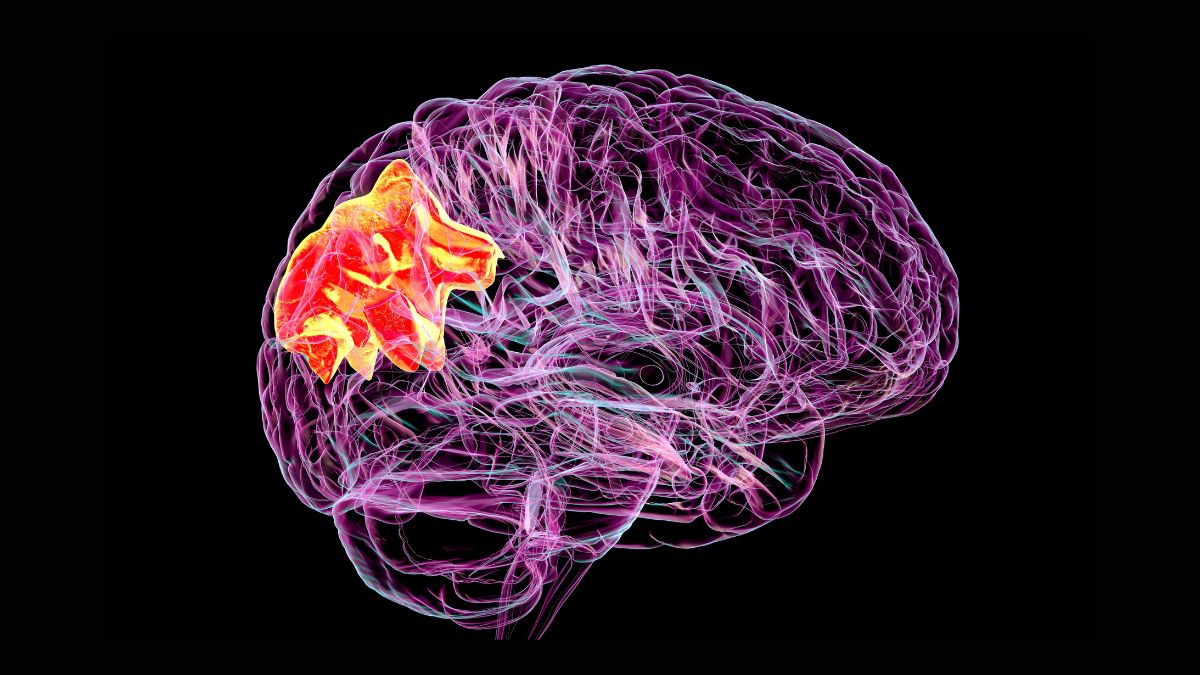
A concussion or traumatic brain injury can affect memory, concentration, sleep, balance, and everyday activities. Recovery depends on the injury type, its severity, and how the brain responds over time. Hyperbaric oxygen therapy has attracted interest because oxygen plays an important role in brain function and cellular recovery.
This article explores hyperbaric oxygen therapy for concussion and traumatic brain injury, including its biological effects, potential applications, and important treatment considerations.
How Increased Oxygen Availability Relates to Brain Injury Recovery
The brain depends on a continuous supply of oxygen and nutrients to produce energy and function normally. When an injury disrupts brain activity, several processes may be affected, including cellular metabolism, blood flow regulation, and communication between nerve cells.
Hyperbaric oxygen therapy involves breathing oxygen in a pressurized environment. Under these conditions, more oxygen dissolves into blood plasma, temporarily increasing the amount available for transport through the bloodstream.
This increased oxygen availability is one reason researchers are exploring HBOT as a possible supportive approach in neurological recovery.
Studies have investigated how hyperbaric oxygen exposure may influence biological processes involved in brain injury, although its effectiveness for concussion and traumatic brain injury has not been established.
What Is the Difference Between a Concussion and a Traumatic Brain Injury?
A traumatic brain injury, or TBI, occurs when an external force disrupts normal brain function. Injuries can result from falls, vehicle accidents, sports collisions, or other impacts to the head or body.
A concussion is generally classified as a mild traumatic brain injury. Although the word mild describes the initial injury classification, it does not mean that symptoms are always minor or resolve immediately.
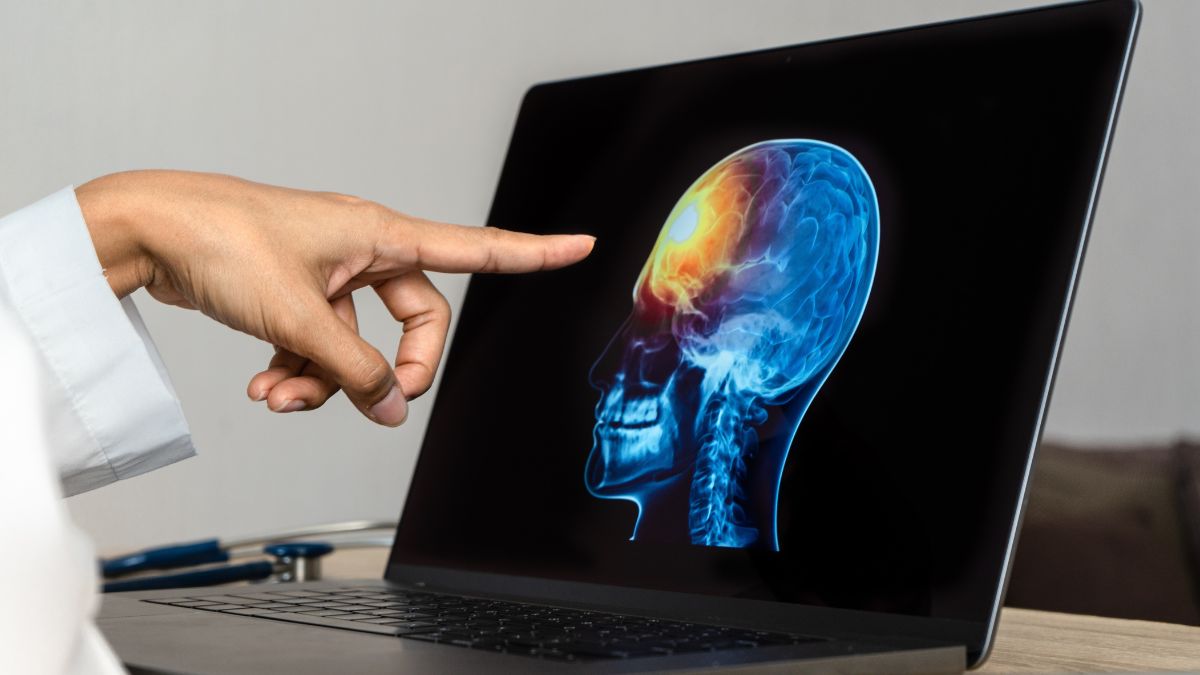
Moderate and severe traumatic brain injuries may involve more extensive damage, prolonged changes in consciousness, or lasting neurological difficulties. These injuries often require specialized medical care and rehabilitation.
Understanding the type and severity of brain injury is essential because recovery needs can differ significantly between patients.
Some people experience headaches, dizziness, or temporary difficulty concentrating. Others may have problems with memory, movement, communication, emotional regulation, or daily independence.
How Does a Brain Injury Affect Oxygen and Cellular Energy?
Brain cells require energy to maintain electrical activity, communicate with other cells, and regulate normal biological functions. Much of this energy comes from oxygen-dependent processes.
Following a traumatic injury, the brain may experience changes in energy demand, blood flow, and cellular metabolism. These changes can make it more difficult for affected cells to maintain their usual activity.
Researchers sometimes describe this response as an energy crisis because cellular energy requirements and energy availability may become temporarily mismatched. Understanding cellular recovery and energy production provides broader context for how wellness approaches focus on supporting normal cell function.
Supporting normal oxygen delivery is an important part of medical brain injury care because the brain is highly sensitive to inadequate oxygen supply.
However, not every person with a concussion has low blood oxygen levels. The metabolic changes associated with brain injury are more complex than a simple lack of oxygen in the bloodstream.
Why Is HBOT Being Explored for Traumatic Brain Injury?
Hyperbaric oxygen therapy creates conditions in which oxygen can dissolve into blood plasma at higher levels than under normal atmospheric pressure. This physiological effect has established uses in certain medical conditions.
For traumatic brain injury, researchers are interested in whether controlled increases in oxygen availability might influence cellular metabolism, inflammation-related signaling, and tissue responses following injury.
Investigations have also considered changes in neurological activity and functional recovery. These questions are particularly relevant because brain injuries can affect several interconnected biological systems.
HBOT offers researchers a controlled way to investigate how increased oxygen exposure interacts with processes involved in neurological injury and recovery.
The possible role of HBOT in TBI remains investigational. Its biological effects are well understood in some respects, but those effects do not automatically translate into proven improvements in concussion symptoms or long-term neurological function.
How Can Oxygen Influence the Brain’s Recovery Processes?
Oxygen helps produce adenosine triphosphate, commonly called ATP. This molecule supplies energy for many cellular activities, including those needed for normal nerve cell function.
After an injury, the brain must respond to damaged cells, changes in signaling, and altered metabolic demands. Recovery involves a combination of cellular processes and changes in how surviving brain networks operate.
Hyperbaric oxygen exposure may influence some of these biological pathways. Researchers continue to investigate whether these changes can help in specific neurological conditions.
Cellular energy production is a central reason oxygen availability matters to brain health, even though additional oxygen is not automatically beneficial for every injury.
Sleep, nutrition, adequate circulation, and appropriate medical care also contribute to the conditions needed for neurological recovery.
What Role Does Inflammation Play After a Brain Injury?
Inflammation is part of the body’s response to injury. In the brain, immune-related cells and chemical signals help respond to damaged tissue and changes in the surrounding environment.
This response can serve protective functions, but prolonged or poorly regulated inflammation may contribute to ongoing difficulties following certain brain injuries.
Scientists have investigated whether hyperbaric oxygen exposure can influence inflammatory signaling and oxidative stress. These processes matter to neurological research because they shape how cells respond to injury.
Research into HBOT and inflammation focuses on how controlled oxygen exposure may influence the body’s biological response to damaged tissue.
Inflammation is not inherently harmful, and recovery does not aim to eliminate every inflammatory response. The relationship between oxygen exposure, inflammation, and neurological outcomes remains complex.
Can HBOT Support Neuroplasticity After a Concussion?
Neuroplasticity describes the nervous system’s ability to change its connections and activity patterns. This adaptability plays an important role in learning, memory, and rehabilitation after neurological injury.
Following a concussion or traumatic brain injury, surviving brain networks may adjust as a person recovers or practices skills affected by the injury.
Researchers have explored whether changes in oxygen availability could influence biological processes associated with neuroplasticity. This includes interest in cellular signaling, blood vessel function, and changes in brain activity.
Neuroplasticity is an important part of neurological rehabilitation because the brain can adapt through repeated activity, learning, and recovery.
Whether HBOT reliably improves neuroplasticity in a way that produces meaningful functional benefits after TBI remains an open research question.
What Symptoms Can Continue After a Concussion?
Many people improve gradually after a concussion, but some experience symptoms that last longer than expected. These may involve headaches, dizziness, fatigue, difficulty concentrating, sensitivity to light, or disrupted sleep.
Emotional changes, irritability, and difficulty managing daily responsibilities can also occur. Symptom patterns and durations vary by individual.
Persistent symptoms do not always have one underlying cause. Vestibular problems, neck injuries, migraine, sleep disturbances, and other conditions may contribute to how a person feels.
Persistent concussion symptoms deserve individualized medical assessment because different problems may require different rehabilitation approaches.
Researchers have explored HBOT in people with ongoing symptoms after mild TBI. However, controlled research has produced inconsistent results, so the treatment should not be presented as an established solution for persistent concussion symptoms.
Can Hyperbaric Oxygen Therapy Help With Brain Fog and Concentration?
Brain fog is a general term people use to describe difficulty thinking clearly, maintaining attention, or processing information. After a concussion, these experiences may interfere with reading, work, conversations, and other daily activities.
Fatigue, poor sleep, headaches, emotional stress, and the demands placed on the recovering brain can also affect concentration.
Researchers have investigated HBOT in neurological studies because oxygen supports cellular metabolism and normal brain function. Some researchers have examined cognitive measurements before and after repeated hyperbaric sessions.
Cognitive recovery is best evaluated through meaningful changes in everyday function rather than assuming that increased oxygen exposure will automatically improve mental clarity.
People experiencing persistent cognitive difficulties may benefit from professional assessment and rehabilitation strategies tailored to their specific symptoms.
The broader field of advanced wellness therapies also includes approaches focused on relaxation and cognitive wellness, although these should not be confused with medical treatment for a brain injury.
How Does Traumatic Brain Injury Affect Sleep and Fatigue?
Sleep disturbances are common after traumatic brain injury. Some people have trouble falling asleep, wake frequently, or feel unusually tired during the day.
Fatigue can also make other symptoms feel more noticeable. Tasks that previously required little effort may become more demanding when concentration, balance, or emotional regulation are affected.
Because the brain uses energy continuously, researchers are interested in the relationship between neurological metabolism and recovery. However, the causes of post-injury fatigue are varied and cannot be reduced to oxygen availability alone.
Consistent sleep routines, appropriate activity levels, and treatment of contributing conditions are important parts of managing fatigue during brain injury recovery.
HBOT has been explored as a potential supportive intervention, but there is not enough consistent evidence to conclude that it reliably treats sleep disturbances or fatigue caused by TBI.
Some individuals also explore relaxation-focused wellness routines, including the approaches discussed in PEMF therapy for stress and relaxation, as separate activities from neurological rehabilitation.
Can HBOT Be Used During Concussion Rehabilitation?
Concussion rehabilitation may involve several approaches depending on the person’s symptoms. These can include carefully managed physical activity, vestibular rehabilitation, vision-related assessment, headache management, and support for cognitive difficulties.
For many patients, recovery also involves a gradual return to school, work, exercise, or other daily responsibilities. The pace depends on symptoms and professional recommendations.
Researchers have investigated HBOT as an additional intervention, not a replacement for these established recovery methods.
Any consideration of hyperbaric oxygen therapy after a concussion should remain connected to an individualized medical and rehabilitation plan.
For people whose injuries occurred during sports, the broader discussion of HBOT for athletes covers oxygen-based recovery considerations alongside training and physical rehabilitation. Sports recovery and concussion treatment remain different subjects, even when they involve the same therapy.
What About HBOT for Moderate or Severe Traumatic Brain Injury?
Moderate and severe traumatic brain injuries can involve extensive neurological damage and more complicated medical needs. Some patients require hospitalization, intensive monitoring, surgery, or prolonged rehabilitation.
In these situations, preventing secondary brain injury is an important part of medical care. Clinicians monitor factors such as oxygenation, circulation, intracranial pressure, and other physiological changes.
Hyperbaric oxygen has been investigated in specialized research settings involving more serious brain injuries. Researchers have examined whether controlled oxygen exposure could affect selected physiological measurements and recovery outcomes.
Severe traumatic brain injury requires specialized medical management, and experimental oxygen-based interventions must be evaluated within that clinical context.
Findings involving hospitalized patients with severe injuries should not be directly applied to people with mild concussions or those exploring general wellness treatments.
How Is HBOT Different From Breathing Regular Supplemental Oxygen?
Hyperbaric oxygen therapy combines oxygen exposure with increased atmospheric pressure. This pressure changes how much oxygen can dissolve into blood plasma.
Regular supplemental oxygen is delivered at normal atmospheric pressure. It can increase the oxygen concentration a person breathes, but it does not create the same pressure-related physiological conditions as HBOT.
This difference is important when interpreting neurological research. Studies involving medical hyperbaric treatment cannot automatically support claims about oxygen bars or other normal-pressure oxygen experiences.
Pressure is a defining feature of hyperbaric oxygen therapy and helps explain why it differs from ordinary supplemental oxygen.
Oxygen availability is also relevant to tissue health more generally. In certain clinical settings, hyperbaric oxygen therapy for wound healing has an established role, although that evidence does not establish the same benefits for neurological injuries.
What Happens During a Hyperbaric Oxygen Session?
A hyperbaric oxygen session takes place inside a chamber designed to operate above normal atmospheric pressure. Oxygen is delivered according to the equipment and treatment protocol.
As pressure increases, a person may feel fullness in the ears similar to the sensation experienced during an airplane flight. Pressure is gradually reduced again before the session ends.
Medical HBOT protocols vary according to the condition being treated. There is no universally established treatment pressure, session frequency, or total number of sessions for concussion or traumatic brain injury recovery.
Understanding the chamber environment and treatment process helps patients ask informed questions about the purpose and suitability of hyperbaric oxygen exposure.
Different chamber designs may operate under different conditions, so equipment specifications and medical protocols should not be treated as interchangeable.
When Should Someone Consider Medical Evaluation After a Concussion?
An appropriate healthcare professional should assess a suspected concussion, especially when symptoms follow a significant impact or interfere with normal activities.
Seek emergency evaluation if warning signs appear, including a worsening headache, repeated vomiting, seizures, increasing confusion, unusual behavior, weakness, or difficulty waking the injured person.
These symptoms can indicate a more serious injury and should not be managed through wellness treatments or delayed while exploring other recovery options.
Prompt assessment helps identify complications that require urgent care and provides a safer starting point for recovery planning.
Even when emergency symptoms are absent, persistent headaches, dizziness, cognitive difficulties, or balance problems may warrant follow-up care.
Is Hyperbaric Oxygen Therapy Safe After a Brain Injury?
Hyperbaric oxygen therapy involves changes in atmospheric pressure and oxygen exposure, so medical screening is important.
Potential side effects include ear discomfort, sinus pressure, and temporary vision changes. Less common complications can include oxygen-related seizures and pressure-related lung injury.
An untreated pneumothorax is a contraindication to HBOT. Certain medications, respiratory conditions, ear problems, and other health concerns may also affect suitability for treatment.
Safety screening is particularly important after a neurological injury because the person’s medical condition and recovery needs may influence treatment decisions.
Individual suitability depends on appropriate assessment, equipment, supervision, and the intended treatment protocol.
What Should Patients Know About HBOT and Brain Injury Recovery?
Hyperbaric oxygen therapy continues to attract scientific interest because it produces measurable changes in oxygen availability and may influence biological processes relevant to neurological research.
For concussion and traumatic brain injury, researchers are investigating questions involving cellular metabolism, inflammation, neuroplasticity, and functional recovery. These areas offer opportunities for further investigation without establishing HBOT as a proven TBI treatment.
Recovery remains highly individual. Injury severity, associated symptoms, medical history, rehabilitation needs, and daily activities all influence the most appropriate care plan.
The most useful approach is to understand HBOT as an emerging area of neurological research while prioritizing established medical care and individualized rehabilitation.
Patients interested in hyperbaric treatment should discuss the available evidence, potential risks, and their personal recovery goals with a qualified healthcare professional.
Understanding the broader benefits of hyperbaric oxygen therapy can help distinguish its recognized medical applications from areas still under investigation.