

Surgery places the body under significant physical stress, and recovery can involve swelling, soreness, bruising, and gradual tissue repair. Some patients explore hyperbaric oxygen therapy as an additional recovery method alongside the instructions provided by their surgical team.
This article goes over hyperbaric oxygen therapy after surgery, including recovery, swelling, timing, safety, and what to consider before beginning HBOT.
How Can Hyperbaric Oxygen Therapy After Surgery Support Recovery?
Hyperbaric oxygen therapy after surgery uses increased atmospheric pressure and oxygen to temporarily increase the amount of oxygen available in the bloodstream.
During a session, a person rests inside a pressurized chamber while breathing oxygen. Under these conditions, additional oxygen can dissolve into blood plasma and circulate throughout the body.
Oxygen plays an important role in many of the normal processes involved in tissue function and repair. This is one reason hyperbaric oxygen therapy may be explored during certain types of recovery.
However, post-surgical needs vary greatly depending on the procedure, the person’s medical history, and the surgeon’s recovery plan.
HBOT should be viewed as a possible supportive therapy during recovery rather than a replacement for surgical follow-up, wound care, medication instructions, or appropriate rest.
Any decision to use a hyperbaric chamber after a procedure should fit safely within the patient’s overall recovery plan.
How HBOT May Support Post-Surgery Recovery
After surgery, the body begins repairing tissues affected during the procedure. This process requires energy, nutrients, blood flow, and adequate oxygen.
Increasing oxygen availability for a controlled period is one of the main reasons HBOT has been studied in different healing and recovery settings.
People interested in HBOT for post-surgery recovery may be looking for additional support while the body moves through the normal healing process.

The therapy does not cause surgical tissue to heal instantly, and recovery time still depends heavily on the type and extent of the procedure.
The most important part of post-operative recovery is giving the body the conditions and time it needs to heal safely.
More information about the broader relationship between oxygen exposure and physical recovery can be found in this guide explaining how HBOT helps with recovery.
HBOT for Swelling After Surgery
Swelling is a common part of the body’s response after many surgical procedures. Tissue disruption can trigger inflammation and fluid buildup around the treated area.
Some swelling is expected and serves a purpose during healing, although the amount and duration can vary considerably between procedures and patients.
Interest in HBOT for swelling after surgery is partly connected to research on hyperbaric oxygen and inflammatory responses.
Increased oxygen exposure under pressure may influence biological processes involved in inflammation and tissue recovery, but it should not be assumed that HBOT will remove swelling immediately or work the same way for every type of surgery.
Post-surgical swelling should always be evaluated in context because sudden, severe, worsening, or unusual swelling may require medical attention rather than a wellness treatment.
Patients should follow the instructions given by their surgeon for managing swelling and report concerning changes.
Hyperbaric Oxygen Therapy for Plastic Surgery Recovery
Hyperbaric oxygen therapy for plastic surgery recovery has become an area of interest for people undergoing procedures that involve significant tissue manipulation.
Cosmetic procedures can produce temporary swelling, bruising, tenderness, and changes around incision sites as tissues begin to heal.
Some patients use a hyperbaric chamber for healing after plastic surgery as part of a wider recovery plan. The reasoning is generally connected to increased oxygen availability during a period when tissues are actively recovering.
However, different procedures carry different risks, and HBOT should not be treated as a standard requirement after cosmetic surgery.
A treatment that may be appropriate after one cosmetic procedure may not be suitable after another, which is why individual medical guidance matters.
The surgeon should know about any additional therapies being considered during the post-operative period.
HBOT After Rhinoplasty and Nose Surgery
People may also research HBOT after rhinoplasty because swelling and bruising can be noticeable during recovery from nasal surgery.
Rhinoplasty involves delicate tissues, and the early healing period can include congestion, tenderness, pressure, and visible changes around the nose and eyes.
Interest in hyperbaric oxygen therapy for rhinoplasty recovery generally centers on supporting the body’s healing environment during this period.
Increased oxygen delivery may be relevant to tissue recovery, but there is no guarantee that HBOT will shorten a person’s individual rhinoplasty timeline.
The surgeon’s instructions should remain the primary guide for activity, medications, wound care, swelling management, and the use of any additional recovery therapy.
People considering hyperbaric therapy for rhinoplasty swelling should receive clearance before adding it to their post-operative routine.
When Can You Start HBOT After Surgery?
One of the most important questions is when to start HBOT after surgery. There is no universal waiting period that applies to every operation.
The appropriate timing can depend on the procedure, anesthesia, medical history, complications, medications, and the surgeon’s assessment of the patient’s recovery.
Some treatment plans may involve HBOT relatively close to a procedure, while other situations may require waiting. Because pressure changes affect the body differently than an ordinary recovery treatment, the timing should be discussed before entering a chamber.
Starting sooner is not automatically better, and treatment timing should be based on medical suitability rather than a general post-surgery.
This is particularly important after procedures involving the ears, sinuses, lungs, or other areas that may be affected by pressure changes.
Can HBOT Be Used Before Surgery?
HBOT is sometimes discussed not only after procedures but also as part of pre-surgery planning.
The idea of pre-operative hyperbaric therapy generally centers on exposing tissues to increased oxygen before the physical stress of surgery.
However, whether this is useful or appropriate depends on the procedure and the patient’s health.
Pre-operative treatment should never be added without the surgeon knowing about it. Other supportive therapies may also have specific medical requirements before or after a procedure.
For example, pre- and post-surgery IV therapy is described as requiring provider-approved protocols and surgeon clearance.
Any therapy used around the time of surgery should fit into one coordinated medical plan instead of being added independently.
This helps prevent conflicts with medications, preparation instructions, anesthesia requirements, or other parts of surgical care.
How Many HBOT Sessions Are Needed After Surgery?
There is no single answer for how many HBOT sessions after surgery are needed.
Treatment frequency can depend on why the therapy is being used, the type of surgery, how recovery is progressing, and whether there are medical considerations that affect the plan.
A person recovering from an uncomplicated cosmetic procedure may have very different needs from someone receiving medically indicated hyperbaric treatment for a complex healing problem.
For this reason, another person’s session schedule should not be used as a standard.
Completing more sessions does not automatically lead to a faster recovery because the usefulness of HBOT depends on the individual situation and treatment goal.
Session frequency and duration should have a clear purpose and be adjusted when necessary.
HBOT for Scar Healing After Surgery
Scar formation is a normal part of the way the body repairs an incision or other tissue injury. During healing, collagen is produced and reorganized as the surgical area gradually changes.
The appearance of a scar can continue evolving for months after the original procedure.
People sometimes research HBOT for scar healing because oxygen is involved in normal tissue repair and collagen-related processes.
However, it is important to distinguish supporting the healing environment from guaranteeing how a scar will eventually look.
Genetics, incision location, surgical technique, infection, wound tension, sun exposure, and individual healing patterns can all influence scar development.
HBOT should not be presented as a way to erase surgical scars or guarantee a particular cosmetic result. Patients who are concerned about a scar should follow their surgeon’s instructions regarding incision care and discuss appropriate scar-management options.
What Does a Hyperbaric Session Feel Like During Recovery?
A hyperbaric session is generally passive, which can make it appealing during a period when strenuous physical activity may be limited.
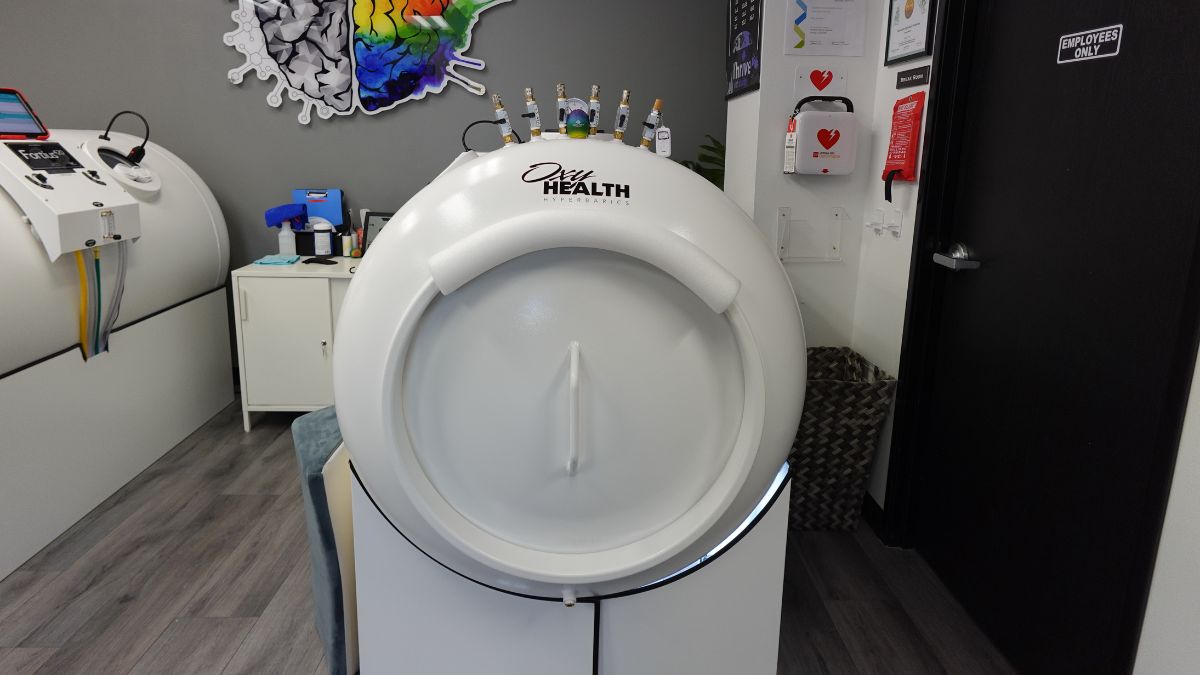
The person rests inside the chamber while pressure gradually increases. Once the planned pressure is reached, it is maintained for a set period before gradually returning to normal.
The changing pressure can create a feeling in the ears similar to flying in an airplane or changing altitude.
Swallowing, yawning, or other pressure-equalizing techniques may help, although people recovering from certain procedures may have additional restrictions that need to be considered.
A post-surgery hyperbaric session should be comfortable enough that new pain, unusual pressure, breathing difficulty, or other concerning symptoms are not ignored.
Understanding HBOT safety is particularly important when treatment is being considered soon after a medical procedure.
Is Hyperbaric Oxygen Therapy Safe After Surgery?
Whether hyperbaric oxygen therapy is safe after surgery depends on the person and the procedure.
HBOT has established medical applications and is generally performed using controlled protocols, but exposure to increased pressure and oxygen also comes with precautions and possible side effects.
Ear or sinus pressure is one consideration. Certain lung conditions, medications, recent procedures, and other medical factors can also affect whether someone is an appropriate candidate.
Surgical complications may create additional concerns that need to be addressed before considering another therapy.
The fact that someone recently had surgery makes proper screening more important, not less important.
A person experiencing unusual pain, bleeding, fever, breathing problems, signs of infection, or another concerning post-operative symptom should seek appropriate medical evaluation instead of assuming HBOT is the solution.
Who Should Avoid HBOT During Surgical Recovery?
Not everyone is a suitable candidate for hyperbaric treatment. Certain medical conditions can make pressure exposure inappropriate or require additional evaluation.
Problems involving the lungs, ears, or sinuses are particularly relevant because pressure changes can affect these areas during a session.
Medications and recent treatments can also matter. Because surgery often involves prescription medications and temporary changes in activity, diet, and wound care, these details need to be considered before adding HBOT to the recovery period.
Personal medical history should always take priority over general information about the possible recovery benefits of hyperbaric therapy.
Screening helps determine whether the therapy is suitable at that point in recovery and whether additional medical clearance is necessary.
Why Surgeon Clearance Matters Before HBOT
Surgeon clearance is one of the most important considerations when exploring hyperbaric oxygen therapy after plastic surgery or another procedure.
A surgeon understands what occurred during the operation, which tissues were affected, what complications may be possible, and what restrictions are necessary during healing.
Clearance is particularly useful when someone wants to begin additional treatments during the early recovery period.
Even therapies that are noninvasive can interact with the practical needs of healing, including positioning, pressure, hydration, medications, and incision protection.
Keeping the surgeon informed helps ensure that supportive recovery therapies do not interfere with the medical plan created for the procedure.
This is especially important when the treatment is being considered within the first days or weeks after surgery.
Setting Realistic Expectations for HBOT After Surgery
Post-surgery recovery is different for every person. The type of procedure, age, overall health, surgical technique, nutrition, activity level, complications, and normal healing response can all influence how quickly someone feels and looks better.
HBOT may be considered as one part of a larger recovery approach, but it should not be expected to eliminate normal healing time.
Other approaches may also be used depending on the person’s needs, and this overview of advanced wellness therapies explains how different recovery modalities work through different mechanisms.
The most realistic goal is to support recovery while continuing to follow the medical instructions that protect healing tissues after surgery.
HBOT may have a place in that process for some people, but safety, timing, and individual medical guidance should determine how it is used.