

Oxygen bars and hyperbaric oxygen therapy both involve breathing oxygen, but the way they deliver it is very different. One takes place at normal atmospheric pressure, while the other combines oxygen with a pressurized chamber that changes how oxygen can be carried throughout the body.
This article compares oxygen bar vs hyperbaric chamber experiences, including pressure, oxygen delivery, benefits, recovery uses, research, safety, and other important differences.
Oxygen Bar vs Hyperbaric Chamber: What Is the Main Difference?
The biggest difference in an oxygen bar vs hyperbaric chamber comparison is pressure. An oxygen bar generally provides supplemental oxygen while the person remains at normal atmospheric pressure.
A hyperbaric chamber increases the pressure surrounding the body while oxygen is delivered according to the treatment setup.
That increased pressure changes how oxygen behaves in the bloodstream. During hyperbaric oxygen therapy, additional oxygen can dissolve into blood plasma, temporarily increasing the amount available for transport throughout the body.
HBOT creates a different physiological environment because increased pressure is a central part of the treatment rather than oxygen simply being delivered at normal room pressure.
This distinction is important because an oxygen bar does not reproduce the pressure conditions that define hyperbaric oxygen therapy.
What Is an Oxygen Bar?
An oxygen bar is generally a recreational or wellness setting where a person breathes supplemental oxygen through tubing or another delivery system. The person remains at normal atmospheric pressure throughout the experience.
Some oxygen bars may offer different session options or add aromas to the oxygen experience. People may visit because they are curious about supplemental oxygen or interested in a short wellness experience.
Breathing supplemental oxygen at normal pressure should not be confused with receiving oxygen inside a pressurized hyperbaric environment.
This difference becomes especially important when someone is researching oxygen for a specific recovery or health-related purpose rather than a recreational experience.
What Is Hyperbaric Oxygen Therapy?
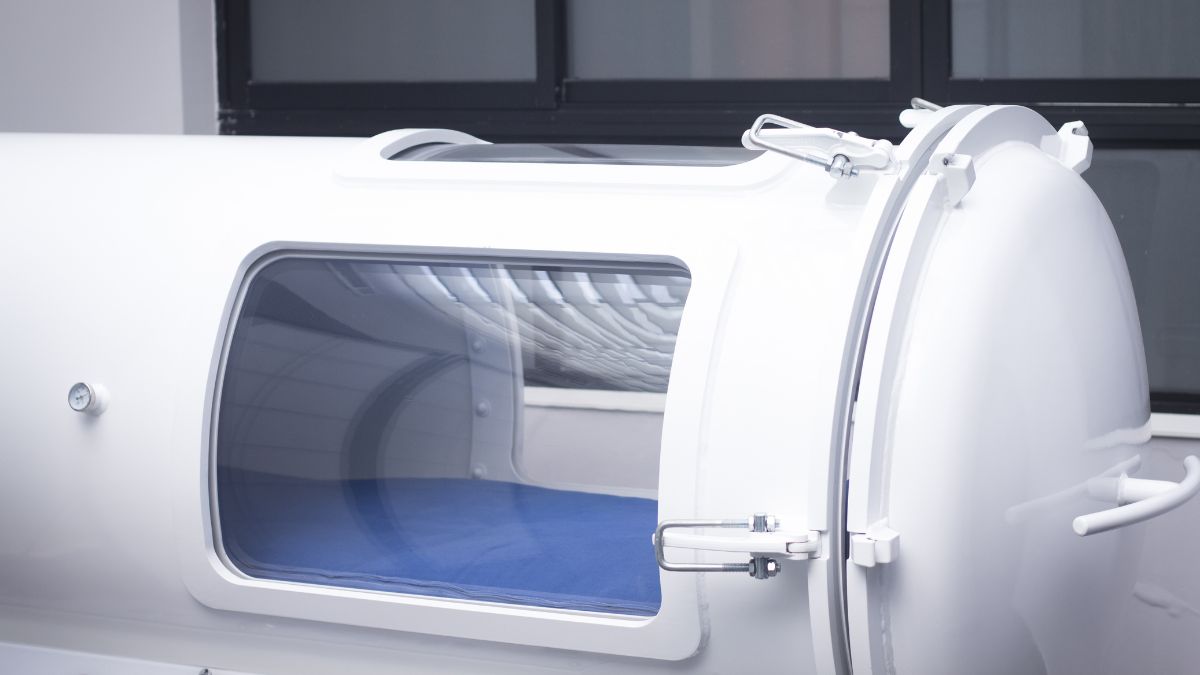
Hyperbaric oxygen therapy, commonly called HBOT, takes place inside a chamber capable of increasing atmospheric pressure. The person breathes oxygen while the chamber maintains controlled pressure above normal atmospheric conditions.
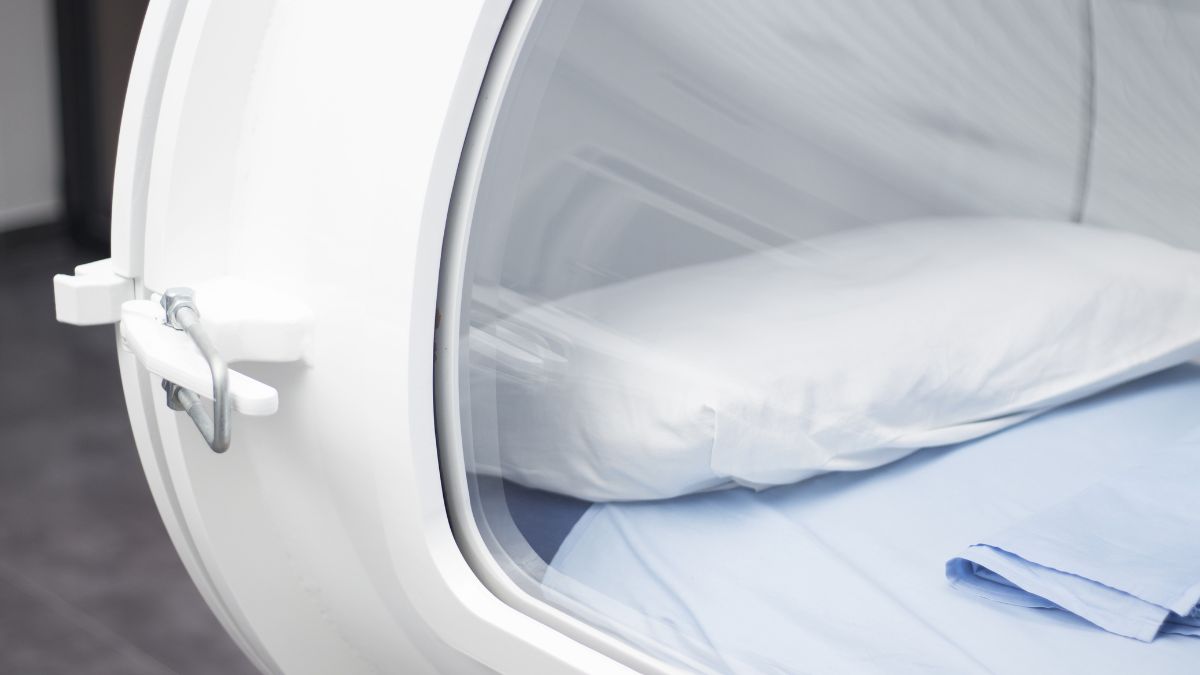
Under these conditions, more oxygen can dissolve into blood plasma. This creates an oxygen-delivery environment that is different from breathing supplemental oxygen at ordinary pressure.
The combination of increased pressure and oxygen is what makes HBOT a distinct form of oxygen treatment therapy.
People who want a deeper explanation of chambers, pressure, and the treatment experience can read about what a hyperbaric chamber is and how HBOT works.
Why Does Pressure Matter During HBOT?
At normal atmospheric pressure, oxygen is carried primarily by hemoglobin in red blood cells. Increasing the surrounding pressure while breathing oxygen allows additional oxygen to dissolve directly into plasma.
This is why simply breathing a higher concentration of oxygen does not create the same conditions as HBOT. Pressure is an essential part of the hyperbaric treatment environment.
Without increased atmospheric pressure, an oxygen session does not create the same oxygen-delivery conditions as hyperbaric oxygen therapy.
A broader guide to the benefits of hyperbaric oxygen therapy explains how increased oxygen availability may relate to tissue function, recovery, and established medical applications.
Does an Oxygen Bar Provide the Same Benefits as HBOT?
An oxygen bar and HBOT should not be expected to provide the same effects because their conditions are different. An oxygen bar increases the oxygen being breathed without creating the increased atmospheric pressure used during hyperbaric treatment.
Research performed using pressurized HBOT protocols also cannot automatically be applied to normal-pressure oxygen-bar sessions. The pressure, oxygen exposure, treatment duration, and purpose of the session all influence the type of physiological response being studied.
Evidence supporting hyperbaric oxygen therapy should not be used to claim that an oxygen bar produces the same biological effects.
HBOT therefore has a stronger scientific and clinical foundation when the goal involves the physiological effects associated with oxygen delivered under increased pressure.
Medical Uses Are an Important Difference
Hyperbaric oxygen therapy has recognized uses within medicine. These include conditions such as decompression sickness, carbon monoxide poisoning, certain difficult-to-heal wounds, radiation tissue injury, and other specific medical situations.
An oxygen bar does not provide medical HBOT simply because a person is breathing supplemental oxygen. Medical hyperbaric treatment involves controlled pressure, appropriate equipment, screening, treatment protocols, and professional oversight.
Established medical uses of HBOT are connected to controlled hyperbaric treatment protocols rather than ordinary oxygen-bar sessions.
This is one of the clearest differences between the two options and gives HBOT a much more established role when oxygen is being considered for a specific medical purpose.
HBOT and Tissue Recovery
Oxygen plays a role in cellular energy production and normal tissue repair. Researchers have studied HBOT in situations where damaged or stressed tissues may have increased demands during recovery.
The ability to temporarily increase oxygen availability under pressure gives HBOT a different role from normal-pressure supplemental oxygen. However, the usefulness of treatment still depends on the reason it is being considered.
The effects of HBOT should not be simplified into the idea that more oxygen automatically means faster healing.
Recovery can also depend on circulation, nutrition, rest, the type of tissue involved, underlying health conditions, and the cause of the injury or damage.
Why HBOT Is Used in Certain Wound-Care Settings
Certain difficult-to-heal wounds are among the established medical applications of HBOT. Oxygen is involved in several processes related to tissue repair, including cellular metabolism, immune activity, and collagen-related processes.
HBOT is not appropriate for every wound. When it is medically indicated, it may be used alongside standard wound care rather than replacing other necessary treatments.
The clinical role of HBOT in selected wound-care situations shows why pressurized oxygen cannot simply be replaced with an oxygen-bar session.
A more detailed guide to hyperbaric oxygen therapy for wound healing explains appropriate uses, evidence, and safety considerations.
Oxygen Bar vs HBOT for Post-Surgery Recovery
Recovery after surgery can involve swelling, bruising, inflammation, and tissue repair. People researching oxygen during this period may encounter both recreational oxygen services and hyperbaric therapy.
HBOT is the more relevant option when the goal specifically involves increased oxygen delivery under pressure. However, that does not mean hyperbaric treatment is appropriate after every procedure or that starting treatment immediately is always better.
Post-surgery HBOT should be considered according to the procedure, individual health factors, and guidance from the medical professionals managing recovery.
The guide to HBOT after surgery explains timing, swelling, safety, and why surgeon clearance may matter.
Oxygen Bar vs Hyperbaric Chamber for Athletes
Athletes sometimes explore oxygen-based therapies while looking for ways to support recovery between training sessions. In this comparison, HBOT provides the more physiologically distinct environment because it combines oxygen with increased atmospheric pressure.
That does not mean HBOT automatically improves performance or makes every athlete recover faster. Sleep, hydration, nutrition, rest, training load, and appropriate rehabilitation remain important parts of athletic recovery.
For athletes specifically interested in oxygen-based recovery, HBOT provides a more structured treatment environment than normal-pressure supplemental oxygen.
A focused guide to HBOT for athletes covers workout recovery, training timing, performance considerations, and sports injury recovery in greater detail.
HBOT for Skin and Healthy Aging Compared With an Oxygen Bar
Hyperbaric oxygen has also been studied for changes involving skin tissue and biological processes associated with aging. Research has examined areas such as collagen, elastic fibers, blood vessels, and cellular senescence under repeated HBOT protocols.
An oxygen bar does not reproduce those research conditions because it does not provide comparable hyperbaric pressure. Findings from HBOT studies therefore should not be used as evidence that normal-pressure supplemental oxygen produces the same results.
Research involving pressurized hyperbaric oxygen must remain separate from claims involving oxygen delivered at normal atmospheric pressure.
People interested in this developing area can read more about HBOT for skin and healthy aging and what current research does and does not show.
Which Option Has More Research Behind It?
HBOT has a much larger clinical and scientific research history because hyperbaric medicine has been studied using defined treatment conditions. Researchers can evaluate pressure, oxygen concentration, treatment duration, session frequency, and outcomes.
Oxygen bars are generally associated more with recreational or general wellness use. Even with HBOT, the strength of evidence still depends on the specific medical condition, recovery goal, or wellness application being discussed.
For someone interested in measurable physiological effects from oxygen therapy, HBOT has a substantially stronger research foundation than recreational oxygen-bar use.
Established medical uses should still be separated from wellness applications that remain under investigation.
What Does an HBOT Session Feel Like Compared With an Oxygen Bar?
An oxygen-bar session generally involves sitting in a normal-pressure environment while breathing supplemental oxygen. There is no pressurization or depressurization process, so the experience is relatively simple.
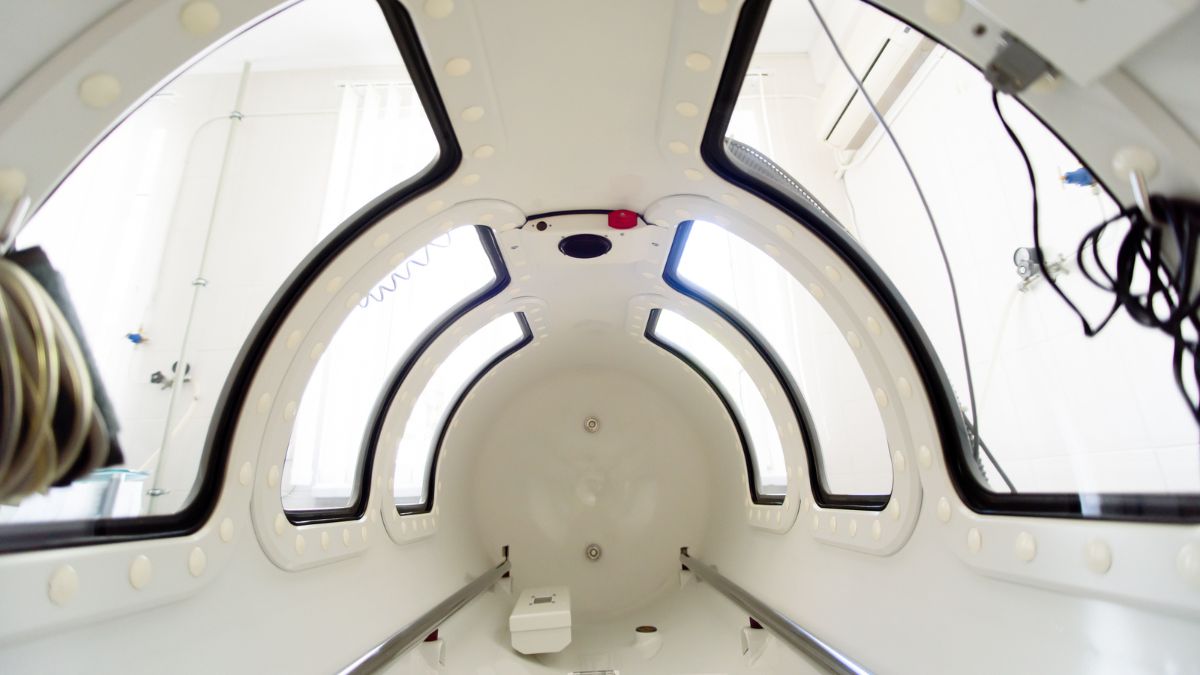
During HBOT, pressure gradually increases inside the chamber. This can create fullness in the ears similar to flying in an airplane or changing altitude. Once treatment pressure is reached, the person generally rests until the chamber is gradually depressurized.
The pressurization process is one of the clearest physical differences between HBOT and sitting at an oxygen bar.
The chamber environment, pressure, treatment protocol, and safety requirements make HBOT a more controlled and specialized experience.
Is Hyperbaric Oxygen Therapy Safe?
Because HBOT involves increased pressure and concentrated oxygen exposure, screening and safety procedures are important. Ear and sinus problems, certain lung conditions, medications, recent procedures, and other health factors may affect whether someone is an appropriate candidate.
Hyperbaric environments also require proper equipment maintenance, fire-safety procedures, patient monitoring, and restrictions on certain materials and personal items.
The additional safety controls associated with HBOT reflect the complexity of delivering oxygen inside a controlled pressurized environment.
More information about whether hyperbaric oxygen therapy is safe can provide additional context about screening, possible risks, and treatment precautions.
What If You Are Searching for an Oxygen Bar Near Me?
Someone searching for an oxygen bar near me may actually be looking for different types of oxygen experiences.
A person interested in a casual recreational session may have a different goal from someone researching oxygen for recovery, wound care, post-surgery support, or athletic performance.
If the goal is specifically to experience the physiological effects associated with increased atmospheric pressure and oxygen delivery, an ordinary oxygen bar does not provide the same treatment environment as HBOT.
Knowing whether you want supplemental oxygen or actual hyperbaric exposure is more useful than choosing a service based only on the word “oxygen.”
For people specifically interested in increased oxygen availability under pressure, HBOT provides the more specialized and research-supported approach of the two options.