

Long COVID can affect people long after their initial infection, sometimes causing fatigue, difficulty concentrating, disrupted sleep, and reduced physical stamina. These ongoing symptoms can make everyday responsibilities harder, even for people who had a relatively mild infection.
Hyperbaric oxygen therapy has become an area of interest because it increases oxygen availability under controlled pressure and may influence biological processes involved in recovery. This article explores hyperbaric oxygen therapy for Long COVID, including its potential benefits, underlying mechanisms, and important treatment considerations.
Understanding How Hyperbaric Oxygen Therapy May Support Post-COVID Recovery
Long COVID, also called post-COVID condition, describes symptoms that continue or develop after a COVID-19 infection and cannot be better explained by another diagnosis. Symptoms may affect several body systems, including the nervous, cardiovascular, and muscular systems.
Because Long COVID can involve different biological processes, researchers are exploring multiple approaches to symptom management. One area of interest involves how oxygen availability, cellular metabolism, circulation, and inflammatory signaling may relate to ongoing symptoms.
Hyperbaric oxygen therapy involves breathing oxygen while inside a chamber pressurized above normal atmospheric levels. The increased pressure allows additional oxygen to dissolve into blood plasma, temporarily changing how oxygen is transported throughout the body.
These physiological effects make HBOT an interesting subject for researchers investigating possible ways to support recovery from persistent post-viral symptoms. Although early findings have generated interest, HBOT remains an investigational approach for Long COVID rather than an established treatment.
What Is Long COVID and Why Can Symptoms Last So Long?
Long COVID is a complex condition that can develop after a SARS-CoV-2 infection. Some people experience symptoms continuously, while others notice that symptoms improve and return or change over time.
Common complaints include persistent fatigue, brain fog, dizziness, sleep disturbances, shortness of breath, and difficulty tolerating physical activity. Certain individuals also experience changes in heart rate, headaches, muscle discomfort, or altered smell and taste.
Researchers are investigating several possible contributors, including immune system changes, autonomic nervous system dysfunction, vascular abnormalities, and altered cellular energy metabolism. These mechanisms may overlap, and not every person with Long COVID experiences the same underlying changes.
Long COVID recovery requires an individualized approach because the condition can affect different body systems in different ways.
Symptoms also vary in duration and severity. Medical evaluation can help identify treatable problems, distinguish Long COVID from other conditions, and guide appropriate symptom management.
How Does HBOT Increase Oxygen Availability in the Body?
Under normal conditions, most oxygen travels through the bloodstream attached to hemoglobin inside red blood cells. A smaller amount remains dissolved directly in blood plasma.
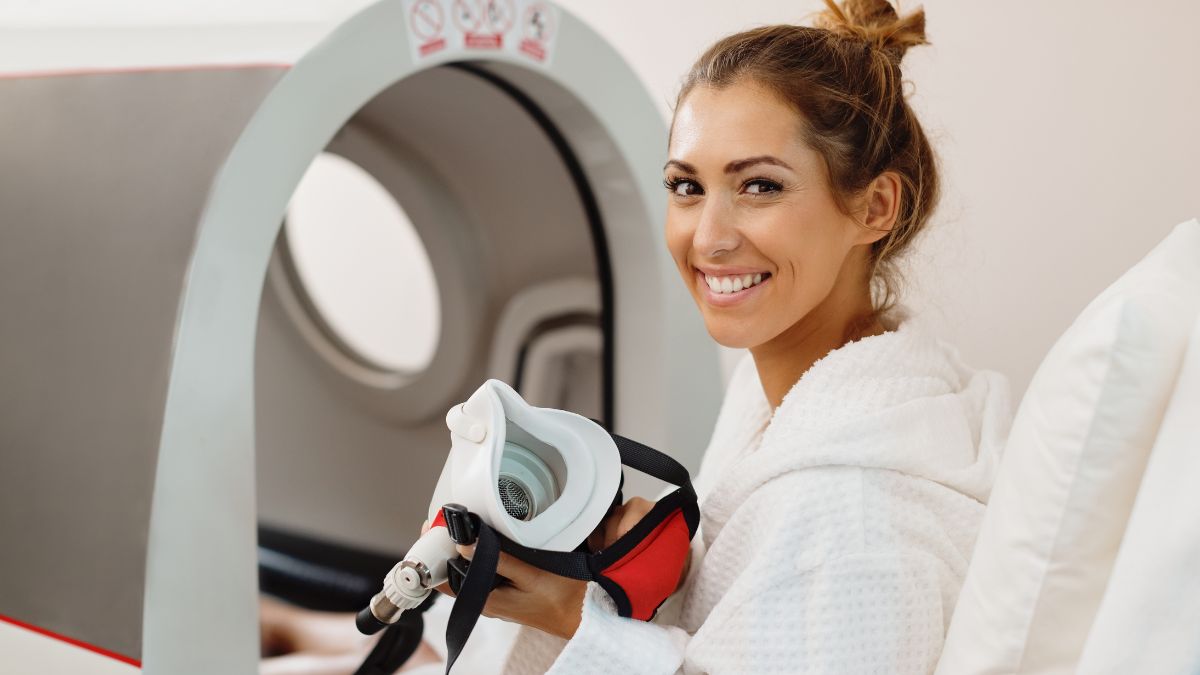
During hyperbaric oxygen therapy, increased atmospheric pressure allows more oxygen to dissolve into plasma. This creates a temporary increase in dissolved oxygen that differs from breathing supplemental oxygen at normal pressure.
Oxygen is essential for cellular energy production, tissue function, and many processes that maintain normal health. The relationship between oxygen delivery and recovery is also central to understanding how the body responds to physical stress.
HBOT provides a controlled way to increase dissolved oxygen availability, which underpins its established medical applications and ongoing research.
The broader relationship between circulation and oxygen transport also appears in discussions of circulation and recovery-focused wellness. However, approaches that influence circulation are not interchangeable with medical hyperbaric treatment.
Why Are Researchers Interested in HBOT for Long COVID?
Long COVID research involves several questions about how the body recovers after infection. Persistent symptoms may involve changes in immune activity, blood vessel function, cellular metabolism, and nervous system regulation.
Hyperbaric oxygen therapy has attracted attention because controlled oxygen exposure can influence certain biological pathways related to these processes.
Researchers are interested in whether those changes might contribute to improvements in specific symptoms.
Some investigations have reported encouraging changes in fatigue, cognitive performance, or quality-of-life measurements.
Other controlled investigations have not found clear advantages over comparison treatments, making it important to distinguish promising observations from established clinical benefits.
The potential value of HBOT for Long COVID lies in its measurable physiological effects and the opportunity to investigate how those effects relate to recovery.
Future research may help identify whether particular patient groups, symptom patterns, or treatment approaches respond differently. For now, HBOT should be viewed as an emerging area of investigation rather than a guaranteed way to resolve post-COVID symptoms.
Can Hyperbaric Oxygen Therapy Help With Long COVID Fatigue?
Fatigue is among the most commonly reported symptoms of long COVID. It may feel different from ordinary tiredness and can interfere with work, household responsibilities, social activities, and daily routines.
Some individuals also experience post-exertional malaise, which involves a worsening of symptoms after physical, mental, or emotional effort. This reaction may be delayed and can last longer than the triggering activity.
Researchers have investigated HBOT for fatigue because oxygen is essential for cellular energy production. However, Long COVID fatigue involves multiple possible mechanisms, and increased oxygen exposure has not been shown to reliably correct them.
Understanding the difference between ordinary tiredness and post-exertional symptom worsening is important when developing a safe recovery plan.
People with post-exertional malaise may benefit from pacing strategies that help them manage activity within their individual limits. Pushing through worsening symptoms can be counterproductive, even when the goal is to rebuild stamina.
What Is the Connection Between HBOT and Cellular Energy?
Cells produce much of their usable energy through processes involving mitochondria. These structures help convert nutrients into adenosine triphosphate, commonly known as ATP.
Oxygen plays a central role in aerobic energy production. Because some people with Long COVID experience persistent fatigue and exercise intolerance, researchers have investigated whether changes in cellular energy metabolism contribute to their symptoms.
Hyperbaric oxygen exposure increases dissolved oxygen in the bloodstream and may influence oxygen-related cellular signaling. These effects provide a biological reason to investigate HBOT, although they do not establish that the treatment restores normal energy levels in people with Long COVID.
Healthy cellular energy production depends on coordinated processes involving oxygen, nutrients, circulation, and normal mitochondrial function.
Could HBOT Support Mental Clarity and Cognitive Function?
Brain fog is a common description for cognitive difficulties associated with Long COVID. People may struggle to concentrate, remember information, follow conversations, or complete tasks that previously felt routine.
These symptoms can occur alongside fatigue, poor sleep, headaches, and changes in autonomic nervous system function. Cognitive difficulties may also fluctuate, making it challenging to predict how someone will feel throughout the day.
Researchers have examined HBOT because oxygen availability contributes to normal brain metabolism. Some investigations have reported changes in cognitive measurements after treatment, particularly in areas involving attention and memory.
Improving everyday cognitive function is an important research goal because even modest difficulties with attention and memory can affect independence and quality of life.
However, cognitive symptoms have many possible contributors. Appropriate assessment, sleep management, activity pacing, and individualized rehabilitation remain important regardless of whether someone is considering HBOT.
How Might Oxygen Exposure Influence Inflammation?
Inflammation is a normal part of the body’s immune response. During an infection, inflammatory signals help coordinate defenses against harmful organisms and support the response to damaged tissue.
Researchers have investigated whether altered immune signaling contributes to persistent symptoms in some people with Long COVID. The mechanisms remain complex and may differ considerably between individuals.
Researchers have studied hyperbaric oxygen exposure for its effects on inflammatory pathways in various medical and experimental settings. These effects have created interest in whether HBOT might influence processes relevant to post-viral recovery.
Inflammatory signaling is one of several biological pathways researchers are investigating to better understand persistent symptoms after COVID-19.
It is important to distinguish changes in biological markers from improvements that people can actually feel. A measurable effect on inflammation does not necessarily mean that a treatment will relieve fatigue, cognitive symptoms, or other Long COVID complaints.
What Role Does Circulation Play in Post-COVID Recovery?
Blood circulation carries oxygen, nutrients, and other essential substances to tissues throughout the body. It also helps transport metabolic byproducts away from areas where they are produced.
Some Long COVID research has examined changes in vascular function and how blood vessels respond to the body’s needs. These questions are relevant because symptoms such as dizziness and exercise intolerance may involve several interconnected systems.
Hyperbaric oxygen therapy changes oxygen availability without necessarily correcting the underlying cause of a circulation-related problem. Researchers are interested in how increased dissolved oxygen interacts with blood vessels and tissue oxygenation.
Circulation and oxygen delivery work together to support normal tissue function, making both important considerations in recovery research.
Related wellness approaches, such as compression therapy and circulation support, use different mechanisms and serve different purposes. Their benefits in exercise recovery should not be assumed to apply to Long COVID.
Can HBOT Improve Sleep Quality After COVID-19?
Sleep problems can become an additional challenge for people with Long COVID. Some experience difficulty falling asleep, frequent nighttime waking, unrefreshing sleep, or irregular sleeping patterns.
Sleep disturbances can affect concentration, mood, energy, and the ability to manage daily activities. They may also occur alongside pain, anxiety, autonomic symptoms, or other health concerns.
Researchers have explored sleep-related outcomes in HBOT investigations because oxygen exposure may influence physiological processes associated with neurological function. However, HBOT is not an established treatment for sleep disturbances caused by Long COVID.
Addressing sleep problems can help improve daily comfort and manage the overall burden of persistent symptoms.
Maintaining a consistent sleep schedule, identifying contributing conditions, and discussing ongoing problems with a healthcare professional can help guide an appropriate plan.
How Does Long COVID Affect Exercise Tolerance?
Some people with Long COVID notice that walking, climbing stairs, or completing routine physical tasks requires more effort than before their infection. Others experience dizziness, unusual heart rate changes, breathlessness, or symptom worsening after activity.
Exercise intolerance can arise from different causes, including cardiovascular, respiratory, autonomic, and metabolic factors. These possibilities require individualized assessment rather than assuming that reduced fitness is always responsible.
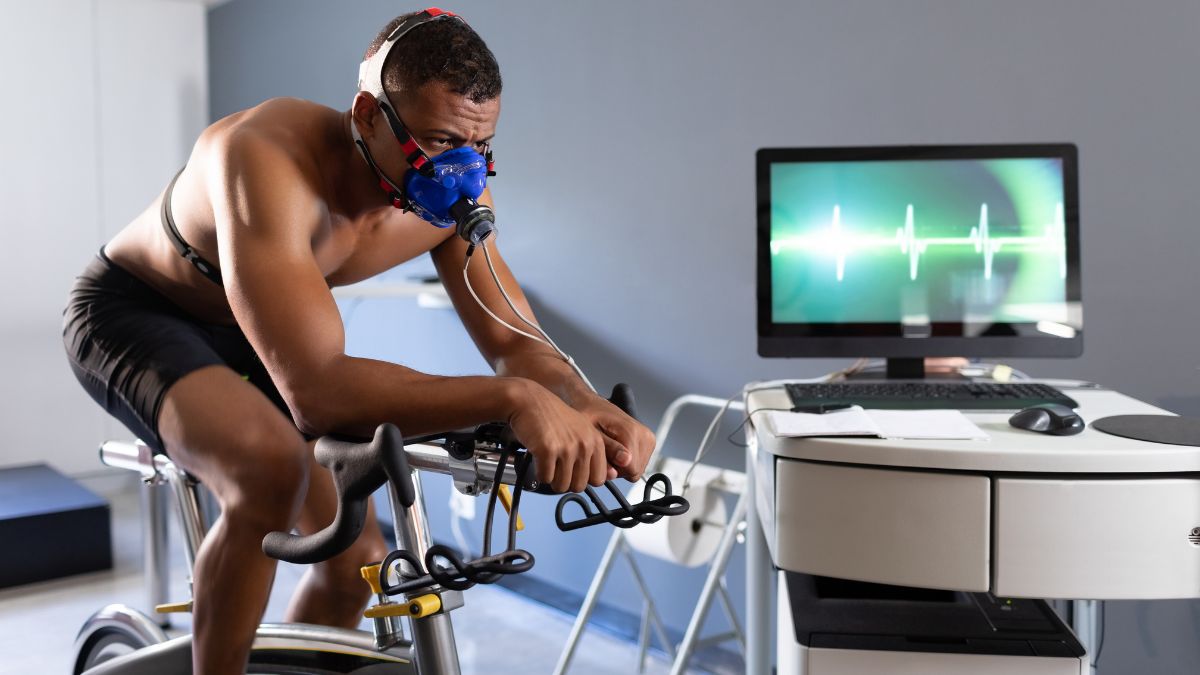
For individuals with post-exertional malaise, a conventional approach of continually increasing exercise may worsen symptoms. Activity plans should account for the person’s response during and after exertion.
Safe physical recovery depends on matching activity to the individual’s current capacity rather than forcing progress according to a fixed schedule.
Measurements of cardiovascular fitness, including those discussed in VO2 max testing, can be useful in certain fitness settings.
However, exercise testing may be inappropriate for some people with Long COVID, particularly when exertion triggers substantial symptom worsening.
What Does Current Research Suggest About HBOT for Long COVID?
Interest in hyperbaric oxygen therapy for Long COVID has grown as researchers look for ways to address persistent symptoms that can involve multiple body systems.
Investigations have explored fatigue, cognition, sleep, pain, physical function, and quality of life. Some have reported encouraging findings, while others have produced mixed results.
Differences in patient characteristics, symptom severity, treatment protocols, and methods of measuring improvement can make research findings difficult to compare. The number of sessions and the pressure and oxygen conditions used in different investigations also vary.
Current research supports continued investigation of HBOT, but it has not established a consistently effective treatment protocol for Long COVID.
This distinction allows patients to appreciate the scientific interest in HBOT while maintaining realistic expectations. Ongoing research may clarify whether certain approaches or patient groups are more likely to benefit.
How Is HBOT Different From Other Wellness Therapies?
Hyperbaric oxygen therapy uses increased atmospheric pressure to change how oxygen dissolves into the bloodstream. This mechanism is different from approaches that use light, electrical stimulation, compression, or other forms of physical exposure.
For example, full-body and targeted red light therapies involve selected wavelengths of light rather than increased atmospheric pressure. Researchers study these approaches for different biological effects, and they should not be treated as equivalent to HBOT.
People exploring wellness services may encounter several technologies described as supporting energy, circulation, or recovery. Similar terminology does not mean that the therapies have identical effects or established benefits for the same conditions.
Understanding how each therapy works helps separate its actual physiological mechanism from broader wellness claims.
For Long COVID, evaluate any additional wellness intervention in the context of the person’s symptoms, medical history, and existing treatment plan.
What Happens During a Hyperbaric Oxygen Therapy Session?
A hyperbaric oxygen session takes place inside a chamber designed to operate above normal atmospheric pressure. Depending on the system and protocol, the chamber delivers oxygen while carefully controlling pressure.
During pressurization, a person may notice ear fullness similar to what happens during air travel. The chamber pressure is then gradually reduced before the session ends.
Medical treatment protocols vary by condition. Because HBOT remains investigational for Long COVID, there is no universally accepted schedule, pressure, or number of sessions proven effective for this condition.
Before considering hyperbaric oxygen exposure, it’s important to understand the treatment environment, intended purpose, and safety procedures.
Patients should also understand that chamber equipment and protocols vary. A treatment approach that works in one setting may not produce the same results under different conditions.
Who Should Speak With a Healthcare Professional Before HBOT?
Anyone considering hyperbaric oxygen therapy should discuss their medical history and treatment goals with an appropriately qualified healthcare professional.
This is especially important for people with persistent respiratory symptoms, ear problems, certain lung conditions, or other ongoing medical concerns.
HBOT can cause pressure-related ear or sinus discomfort, temporary vision changes, and, less commonly, more serious complications. An untreated pneumothorax is a contraindication to hyperbaric treatment.
Long COVID symptoms can also overlap with conditions that require separate medical evaluation. Shortness of breath, chest discomfort, fainting, or significant changes in physical ability should not automatically be attributed to post-COVID recovery.
Individual medical screening helps determine whether hyperbaric exposure is appropriate and whether other health concerns should be addressed first.
HBOT should not replace established care, prescribed medications, or appropriate rehabilitation. A coordinated approach helps ensure that symptom management remains focused on the person’s overall health.
What Should Patients Know About HBOT and Long COVID Recovery?
Hyperbaric oxygen therapy offers a distinctive way to increase dissolved oxygen availability in the bloodstream. Its effects on oxygen transport and selected biological pathways have made it an interesting subject for post-COVID research.
For people experiencing persistent fatigue, cognitive difficulties, sleep changes, or reduced stamina, the possibility of additional recovery options can be encouraging.
However, the causes of these symptoms vary, and no single approach has been shown to work for everyone.
Research continues to examine how HBOT may interact with cellular metabolism, inflammatory signaling, circulation, and neurological function. Future findings may provide clearer guidance about its potential role in selected patients.
HBOT is a promising area for continued investigation, while individualized medical care remains the foundation of managing Long COVID symptoms.
Patients interested in learning more should discuss the current evidence, safety considerations, and their personal health goals with a qualified healthcare professional. A balanced understanding of potential applications can help them make informed decisions without relying on unsupported promises.