
Skin changes naturally over time as collagen, elasticity, circulation, cellular activity, and exposure to the environment influence how it looks and functions.
Hyperbaric oxygen therapy has gained attention in healthy aging research because controlled exposure to increased pressure and oxygen may affect several biological processes connected to tissue health.
This article goes over hyperbaric oxygen therapy anti-aging research, including potential effects on skin, collagen, circulation, cellular aging, recovery, and what current evidence can and cannot tell us.
What Do We Know About Hyperbaric Oxygen Therapy for Skin and Healthy Aging?
Hyperbaric oxygen therapy for anti-aging involves the same basic process used in other HBOT applications.
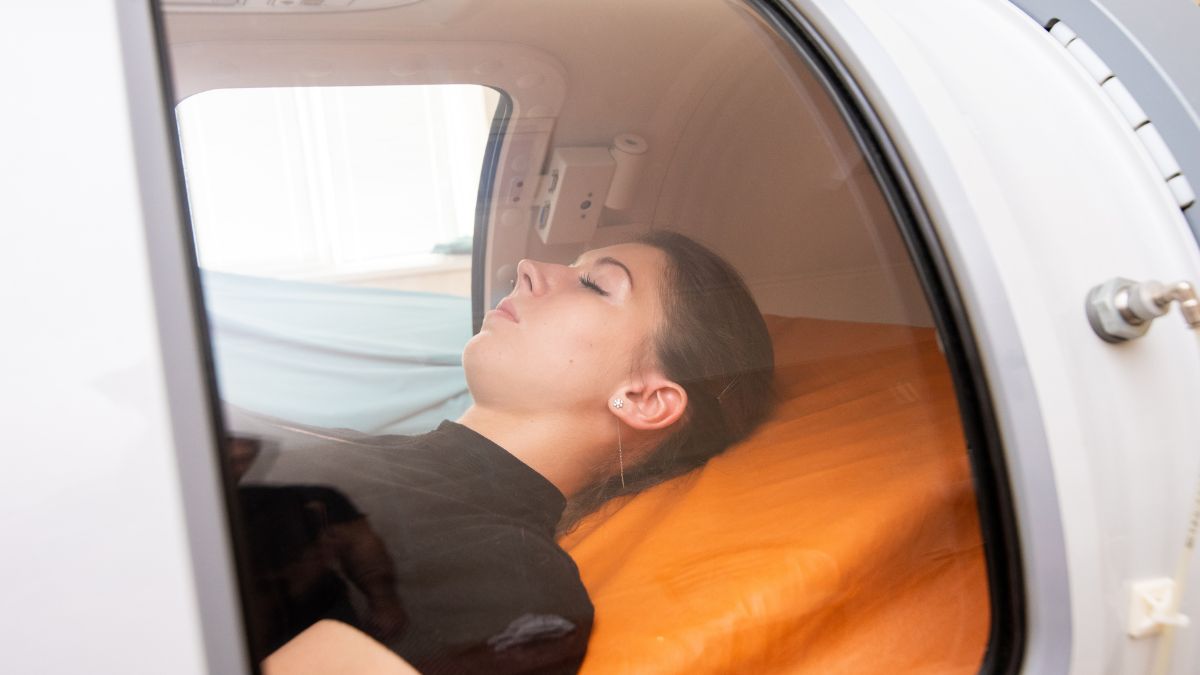
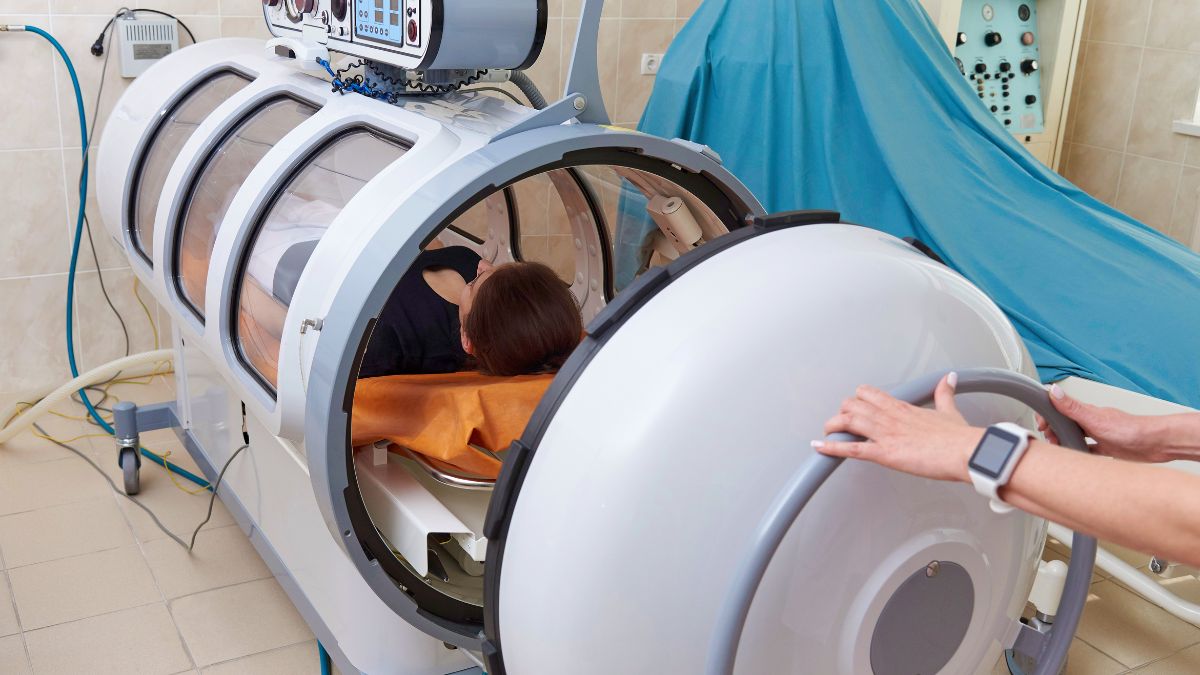
A person rests inside a pressurized chamber while breathing oxygen, allowing additional oxygen to dissolve into blood plasma and temporarily increasing oxygen availability throughout the body.
This has created interest in how repeated hyperbaric exposure could influence processes connected to healthy aging.
Researchers have explored areas such as blood-vessel formation, cellular senescence, collagen, elastic fibers, oxidative responses, and other changes that occur as tissues age.
Research into HBOT and healthy aging is developing, but interesting biological findings should not be treated as proof that hyperbaric therapy can stop or reverse aging.
Understanding the broader benefits of hyperbaric oxygen therapy can also provide context for why oxygen availability is being studied across different medical, recovery, and wellness applications.
How Does Skin Change as We Age?
Skin aging happens through a combination of internal and external factors. Intrinsic aging refers to changes that naturally occur over time, while extrinsic aging can be influenced by sun exposure, environmental conditions, smoking, lifestyle habits, and other outside factors.
Collagen and elastic structures can change with age, and the skin may gradually become thinner, drier, or less resilient. Blood supply and cellular activity can also change.
These processes do not happen at exactly the same rate for every person.
Healthy-looking skin depends on many biological and lifestyle factors, which means no single treatment controls the entire aging process.
This is important when evaluating treatments marketed around longevity or rejuvenation.
A therapy may influence a particular biological process without producing a complete or predictable change in how someone’s skin ages.
Why Is HBOT Skin Research Getting Attention?
Interest in HBOT skin research has grown because hyperbaric oxygen changes the amount of oxygen available to tissues during treatment.
Oxygen plays an important role in cellular metabolism, tissue maintenance, repair, and many other normal biological processes.

Researchers have therefore investigated whether repeated periods of increased oxygen availability under pressure may affect age-related changes in skin tissue.
Some small human studies have reported changes involving collagen density, elastic fibers, blood vessels, and senescent cells after repeated HBOT sessions.
These findings are worth studying, but small studies cannot establish that the same results will occur for every person using HBOT.
Research protocols may also involve specific pressures, oxygen concentrations, treatment schedules, and participant groups. Those details matter when interpreting results.
Hyperbaric Oxygen Therapy and Collagen
Collagen is one of the major structural proteins in skin. It helps provide strength and support, but collagen production and organization change with age. Environmental exposure can also contribute to collagen breakdown over time.
Research examining hyperbaric oxygen therapy benefits skin has included interest in collagen because oxygen participates in biological processes involved in collagen formation.
One small human study of older adults reported increased collagen density following a repeated HBOT protocol.
That finding does not mean every hyperbaric session produces more collagen or that HBOT can eliminate wrinkles. More research involving larger and more diverse groups is needed to understand how consistent these changes may be.
Changes measured inside skin tissue should not automatically be translated into promises about visible cosmetic results.
HBOT and Skin Elasticity
Elastic fibers help skin stretch and return toward its original shape. Like collagen, these structures can change as part of normal aging and through years of environmental exposure.
Research into hyperbaric oxygen therapy for skin has examined whether repeated HBOT may influence these fibers.
One human study reported changes in elastic fiber length and fragmentation following a series of treatments, creating additional interest in the relationship between hyperbaric exposure and aging skin.
Early changes found in tissue samples are different from proving that HBOT will visibly tighten skin or restore youthful elasticity.
Future research needs to determine how tissue-level findings relate to appearance, how long any changes last, and whether results can be reproduced in larger populations.
How Blood Vessels Relate to Healthy Skin
Blood vessels deliver oxygen and nutrients while helping remove metabolic waste from tissues. Changes in the small blood vessels supplying skin are one of many biological changes that can occur with aging.
Hyperbaric oxygen research has examined angiogenesis, which is the formation of new blood vessels. Repeated intermittent hyperbaric exposure may influence signaling pathways involved in this process under certain protocols.
Supporting normal tissue circulation is biologically different from claiming that HBOT permanently increases circulation or guarantees healthier-looking skin.
Age, cardiovascular health, activity, smoking, medical conditions, and many other factors can influence blood vessels and circulation, so this area should be viewed within a much broader healthy-aging picture.
Cellular Senescence and Healthy Aging Research
Cells do not continue dividing forever. Some eventually enter a state known as cellular senescence, where they stop dividing but remain metabolically active.
The accumulation of senescent cells has become an important area of aging research because these cells can influence surrounding tissues.
HBOT has attracted attention in this field because some research has reported changes in markers related to cellular senescence after repeated treatment protocols.
Skin studies have also examined senescent cells directly through tissue samples.
Cellular aging is extremely complex, and a change in one aging-related marker does not mean that a person’s biological age has been reversed.
These findings are better understood as areas for continued research rather than proof that HBOT functions as a general anti-aging treatment.
Can Hyperbaric Oxygen Therapy Rejuvenate Skin?
The phrase hyperbaric oxygen therapy for skin rejuvenation is commonly used when discussing aesthetic applications of HBOT. However, “rejuvenation” can mean different things depending on whether someone is referring to tissue structure, appearance, elasticity, pigmentation, or another characteristic.
Research has identified possible changes in some biological markers associated with skin aging, but the evidence is not strong enough to promise that HBOT will make skin look younger.
Recent reviews of HBOT in aesthetic medicine have emphasized limitations in the available studies and the need for better controlled research.
Skin rejuvenation should therefore be treated as an area of investigation rather than a guaranteed outcome of hyperbaric therapy.
This distinction allows promising research to be discussed without turning early findings into cosmetic claims that the evidence does not yet support.
HBOT and Photoaging From Sun Exposure
Photoaging refers to skin changes caused by long-term exposure to ultraviolet radiation. It can contribute to wrinkles, uneven pigmentation, changes in texture, and damage to structural components within the skin.
Researchers have studied hyperbaric and high-oxygen environments in relation to UV-related skin changes, but much of the research in this area has involved laboratory or animal models.
Results from those studies cannot automatically be applied to people receiving normal HBOT sessions.
HBOT should not be considered a substitute for protecting skin from ultraviolet exposure.
Sunscreen, protective clothing, avoiding excessive UV exposure, and appropriate dermatological care remain more directly established approaches for reducing preventable sun-related skin damage.
Hyperbaric Oxygen Therapy and Tissue Repair
Skin health is closely connected to the body’s ability to maintain and repair tissue. Oxygen participates in cellular energy production, collagen formation, immune activity, and other processes involved in normal repair.
These mechanisms overlap with some of the reasons HBOT has established medical uses for selected wound-related conditions. However, healthy aging and treatment of a medically qualifying wound are not the same application.
Evidence supporting HBOT for a specific medical wound should not automatically be used as evidence that it produces cosmetic skin rejuvenation.
Readers interested in the medical side of tissue repair can review how hyperbaric oxygen therapy for wound healing is evaluated differently depending on the type of wound and clinical situation.
HBOT After Cosmetic or Surgical Procedures
Skin and surrounding tissues also go through a healing process after surgical procedures. Swelling, inflammation, tissue repair, and changes around an incision can all occur during recovery.
HBOT has been explored as an adjunct in some surgical and aesthetic settings, but its role depends heavily on the procedure and medical circumstances.
It should not be assumed that everyone undergoing a cosmetic procedure needs hyperbaric therapy.
Recovery after surgery should remain guided by the surgeon and the specific procedure rather than by general anti-aging or wellness claims.
Anyone researching this application can read more about HBOT after surgery, including treatment timing, swelling, safety, and why medical clearance matters.
HBOT Skin Therapy Versus Red Light Therapy
HBOT skin therapy and red light therapy are sometimes discussed within the same healthy-aging conversation, but the two approaches work very differently.
HBOT uses increased atmospheric pressure and oxygen, while red light therapy exposes tissue to selected wavelengths of light.
Because their mechanisms differ, one should not be treated as a substitute for the other. Research questions involving light exposure, cellular signaling, oxygen availability, and tissue response also need to be evaluated separately.
Two therapies can both be studied for skin and wellness applications without producing the same biological effects.
People exploring skin-focused wellness options may also encounter ARRC LED light therapy as another approach that can be considered independently from hyperbaric oxygen.
What Does Healthy Aging Actually Mean?
Healthy aging involves much more than maintaining youthful-looking skin. Physical activity, cardiovascular health, muscle strength, sleep, nutrition, cognitive health, social connection, stress management, and management of medical conditions can all influence quality of life over time.
For this reason, hyperbaric oxygen therapy anti aging discussions should not focus only on appearance.
Researchers are interested in how different biological systems change with age, but there is currently no single treatment that controls all of those processes.
A healthy-aging strategy should focus on maintaining function and overall well-being rather than trying to eliminate every normal sign of aging.
HBOT may be explored within that larger wellness picture, but established lifestyle and medical approaches remain important regardless of whether someone uses additional therapies.
Does HBOT Reverse Aging?
Claims that a therapy can “reverse aging” require careful interpretation. Aging involves changes across cells, tissues, organs, metabolism, the immune system, cardiovascular function, and many other areas of the body.
Some HBOT studies have reported changes in aging-related biomarkers or tissue characteristics.
Those results can help researchers understand how controlled hyperbaric exposure affects human biology, but they do not establish that the aging process as a whole has been reversed.
A change in an aging-related biomarker is not the same as making a person biologically younger.
Longer studies with larger populations and meaningful health outcomes are needed before broad conclusions about HBOT and longevity can be made.
How Many HBOT Sessions Are Used in Healthy Aging Research?
Studies investigating skin and aging have generally looked at repeated hyperbaric exposures rather than expecting one treatment to create lasting biological changes.
Protocols can differ considerably in pressure, oxygen exposure, session duration, frequency, and total number of treatments.
This makes it difficult to take the schedule from one study and assume it is the ideal approach for everyone interested in healthy aging. Research protocols are designed around specific questions and participant groups.
There is currently no universally established HBOT schedule that guarantees anti-aging or skin-rejuvenation results.
The number and timing of sessions should therefore not be presented as a formula for reversing skin aging.
Can HBOT Support Active Lifestyles as People Age?
Staying physically active is an important part of maintaining strength, mobility, cardiovascular fitness, and independence throughout adulthood. Recovery can also become an important consideration when someone exercises regularly or participates in demanding sports.
HBOT is sometimes explored by active adults and athletes as an additional recovery method.
This application is different from skin rejuvenation, but it shows why hyperbaric therapy can appear across several areas of wellness and recovery research.
Supporting recovery does not mean HBOT can replace exercise, rehabilitation, rest, nutrition, or the gradual physical adaptations that come from training.
For a more focused discussion, HBOT for athletes covers workout recovery, training support, performance considerations, and how hyperbaric therapy may fit into an active lifestyle.
What About HBOT for Sports Injury Recovery?
Sports injury recovery is another area where people may encounter discussions about hyperbaric oxygen. Injured muscles, tendons, ligaments, bones, and other tissues have different healing requirements depending on the type and severity of the injury.
Although oxygen is important to normal tissue function and repair, HBOT is not an established treatment for every sports injury.
A sprain, fracture, tendon injury, or other condition may require diagnosis, rehabilitation, activity modification, or medical treatment regardless of whether hyperbaric therapy is being considered.
Athletic recovery and injury treatment should remain separate concepts because normal post-workout fatigue is very different from damaged tissue that requires rehabilitation.
HBOT may be explored as a supportive recovery option in some situations, but it should not be used to decide when an injured athlete is ready to return to training or competition.
Is Hyperbaric Oxygen Therapy Safe for Healthy Aging?
Being generally healthy does not mean someone should enter a pressurized oxygen environment without appropriate screening.
Pressure changes can affect the ears and sinuses, and health conditions, medications, respiratory concerns, or other individual factors may influence treatment suitability.
HBOT also involves concentrated oxygen, which means treatment protocols and safety procedures matter.
Potential benefits should always be considered alongside possible risks and the strength of evidence for the reason someone is seeking treatment.
A therapy does not become risk-free simply because it is being used for wellness or healthy-aging goals instead of a medical condition.
Additional information about whether hyperbaric oxygen therapy is safe can provide more context about screening and treatment precautions.
Setting Realistic Expectations for HBOT and Healthy Aging
Hyperbaric oxygen therapy for skin and healthy aging is an active area of research.
Human studies have reported interesting findings involving collagen, elastic fibers, blood vessels, and cellular senescence, while broader research continues to examine how hyperbaric exposure affects aging-related biological processes.
At the same time, the evidence base remains limited for aesthetic and general anti-aging applications.
Study sizes, treatment protocols, participant groups, and measured outcomes vary, making it difficult to predict what any individual person will experience.
The most useful way to view current HBOT aging research is as promising but still developing rather than proof of a treatment that reverses aging or guarantees younger-looking skin.
As stronger studies become available, researchers may gain a clearer understanding of which effects are meaningful, how long they last, who may benefit, and how hyperbaric therapy might fit into a broader approach to maintaining health and function over time.